Home Blog Page 104

How Much Are Paddleboards?

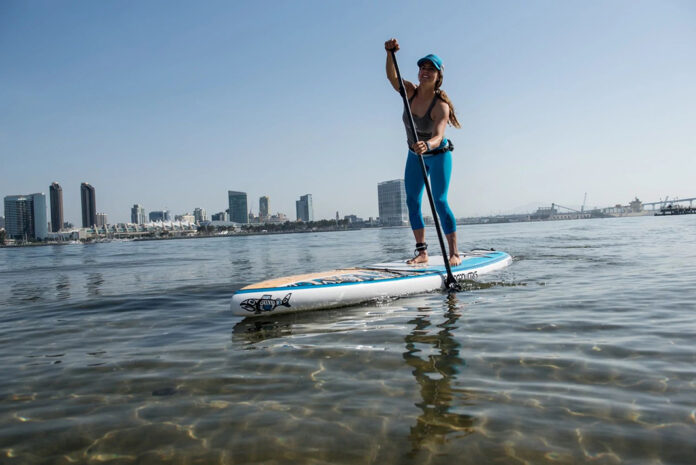
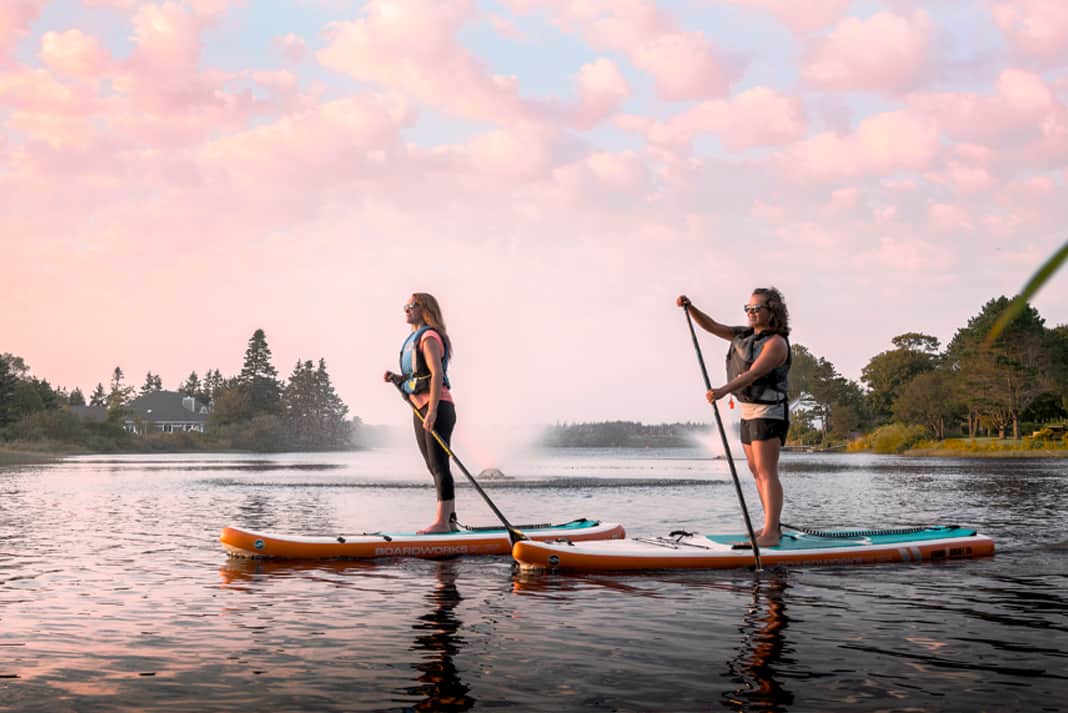
woman paddles a standup paddleboard from Boardworks
Feature photo: Courtesy Boardworks

One of the most common questions from first-time paddleboard buyers is, “How much are paddleboards?” With paddleboards, the saying, “You get what you pay for” often applies. Essentially, you can pay as little or as much as you’d like, within the range of a couple of hundred dollars to a couple of thousand dollars, and the price tag will reflect the quality and design of the paddleboard.

There is no standard paddleboard price. That being said, inflatable paddleboards are generally cheaper to manufacture and ship, which results in a lower price than what would be paid for a similar shape in a rigid paddleboard. Entry-level inflatable paddleboards can start at the unbelievably low price of about $350 CAD while low-end molded plastic paddleboards start at around $500 and rigid, foam-core paddleboards start at over $1,000. On the high end of the price spectrum, carbon fiber paddleboards, racing paddleboards and pedal-powered standup paddleboard prices can be in the range of to $3,000 to $4,000.

Paddleboard cost is determined by the materials used, manufacturing methods, brand name and any included accessories, features or attachments. Having a sense of your budget as you start to figure out how much a paddleboard costs is helpful so you can see quickly at what end of the market you might land.

The cost of paddleboards can vary between retailers so it is good to shop around to compare prices. If you have an idea of the type of paddleboard you are looking for, I also recommend shopping between SUP brands to compare specs and see what paddleboards cost from each brand.

Let’s dive deeper into exploring what paddleboards cost by looking at the average cost of paddleboards.

Average cost of paddleboard

How much does a paddleboard cost? While the standup paddleboard price range can vary by hundreds to thousands of dollars, let’s look at a few of the determining factors of the average cost of a paddleboard, including materials, features and size.

The most inexpensive and affordable materials for paddleboards are the PVC layers used in inflatables. The price for a single-layer inflatable is under $500 CAD and the more layers that are used to add strength and durability, the more the cost goes up. Molded plastic is the second cheapest material option for paddleboards and results in costs under $1,000.

Paddleboards which use a foam core and a PVC or fiberglass outer layer cost over $1,000 while those with carbon fiber layers tend towards the $2,000 and higher mark as they are designed to be lightweight and use premium materials.

Paddleboards with basic or minimal features will be priced low. The price climbs as more features get added, such as additional grab handles, bungee tie downs, additional D-rings and a camera mount.

Some paddleboards come with features for holding paddles or waterbottles, for attaching fishing gear or for transforming into a kayak. Specialized paddleboards will tend to cost more than $1,500 as they have more add-ons and are designed for a particular activity and use.

When it comes to paddleboard cost, price is directly related to length, since longer paddleboards require more material to make. Essentially you are buying more board so you are paying for more board.

So, how much does a good paddleboard cost? The short answer is at least $1,000 CAD on average and the long answer depends on what type of paddleboard and what it’s being used for. In my opinion, a good inflatable or rigid all-around paddleboard costs over $1,000, a good touring paddleboard costs over $1,500, and a good racing paddleboard costs over $2,000.

Let’s look at some of the characteristics, features, and trade-offs that you can expect to see from paddleboards in the following cost tiers. The tiers are labeled according to affordable, mid-range, and high-end standup paddleboard prices.

Affordable standup paddleboard pricing

Under $500

  • Low-quality inflatable paddleboard with limited features, designed for entry-level paddlers who don’t want any extras
  • Accessible entry point into standup paddleboard with minimal investment
  • Limited performance options and capabilities for a paddleboard in this range
  • Not a good investment in the long run

$500–$1,000

  • Heavy, molded plastic paddleboard or basic soft-top board for leisure paddling
  • Single drop stitch inflatable package with some features like bungee tie downs and a leash
  • Low cost option for novice paddlers
  • Offers a noticeably lesser paddling experience compared to higher-quality paddleboards
  • Often paired with very heavy paddles

Mid-range paddleboard pricing

$1,000–$1,500

  • Double-layer inflatable SUP packages with better durability and limited features and accessories beyond the standard adjustable paddle, storage bag, repair kit and hand pump
  • Rigid SUPs made with a foam core and PVC layers
  • More durable paddleboards which will last longer than low-end paddleboards
  • Enhanced paddling experience
  • Likely still no specialized features on these paddleboards

$1,500–$2,000

  • Highest-quality inflatable paddleboards or double-layer inflatable SUPs with additional features like added handles, camera mounts, accessory mounts, paddle or water holders, D-rings and anchor attachment points
  • Rigid SUPs made with a foam core and fiberglass layers
  • Higher-quality paddle often offered as a package
  • Some specialized paddleboards designed for specific activities
  • Materials becoming more lightweight
  • Improved on-water performance

High-end paddleboard pricing

$2,000+

  • Rigid SUPs manufactured with carbon fiber
  • Tandem or multi-person inflatable paddleboards
  • Pedal-powered paddleboards
  • Racing, touring and expedition paddleboards
  • Motorized paddleboards
  • Offer high-performance handling and efficient travel
  • Many features available for outfitting the board

If you’re wondering why paddleboards are so expensive you’re not alone. With specialized manufacturing technologies, composite materials, unique designs for each paddleboarding activity and special features and attachments, the price of production can creep up.

But paddleboarding is an investment in physical, mental and emotional wellbeing as well as a huge amount of fun. The price of a paddleboard will be well worth the on-water experiences that you get out of it.

How much are used paddleboards?

Similar to how a new car driven off of a car lot depreciates in value, the price of a paddleboard also goes down once it hits the water and has been paddled and becomes considered used. As an example, you could expect to knock off at least 20 percent off a gently used paddleboard that was sold for $1,500 when it was purchased new. After a couple of years that paddleboard would sell used for under $1,000.

The condition of a used paddleboard is a determining factor in its resale value. A gently used paddleboard would hold its value better than one which isn’t in such pristine condition and has scratches, dents or holes. Used paddleboard pricing should reflect the level of damage that a board has, knocking the price lower for each issue.

Although damage effectively drops the price down further, professional repairs in used paddleboards help a board to hold value more than DIY repairs or issues that have been left unrepaired.

Generally, high-end paddleboards such as racing paddleboards and carbon fiber paddleboards are a hot commodity in the used SUP scene and tend to retain their value more than other types of paddleboards.

Brands that hold their value well over time include Starboard, Infinity, SIC, 425 Pro, Red Paddle Co and Kahuna, especially if there is a particular favorite model that was manufactured only in specific years and is hard to come by.
Prices by type of paddleboard

  • How much are blow-up paddleboards

    Blow-up paddleboards, known as inflatable paddleboards, are generally more affordable than rigid paddleboards. They range in price from around $350 CAD for a basic, low-quality, entry-level inflatable SUP to $2,000 for a high-quality inflatable paddleboard. A decent inflatable paddleboard package that includes a paddle will cost roughly $700 to $1,000.

Paddleboard prices by brand

  • BIC standup paddleboard prices

    BIC standup paddleboards prices were generally in the mid-range for recreational paddleboards, starting at a little under $1,000 USD for heavier and durable Tough-Tec models. BIC all-around and touring rigid boards in the Ace-Tec material cost around $1,099 to $1,299. The higher-performing BIC racing paddleboards which were manufactured with lightweight composites were priced at over $2,000 USD.

  • BOGA paddleboard price

    BOGA paddleboards prices begin at $995 USD with their inflatable SUP yoga model. All BOGA paddleboards are stable boards 11 feet in length, designed for yoga with a large grippy deckpad and tie-down bungees at the nose of the board. The three models are essentially the same design but with different materials. The rigid BOGA paddleboard price is $1,095 while the eco-friendly bamboo version sells for $1,195.

  • Chanel paddleboard price

    A few years back, the fashion brand Chanel sold a limited-edition paddleboard which paired well with yachts, secluded beaches and navel-gazing Instagram photoshoots with an incredible price tag of around $20,000 USD. This standup paddleboard price was solely based on the Chanel luxury brand name as the board itself was incredibly basic, was not designed for performance, and left a lot to be desired.

    If you were able to find a used Chanel paddleboard this is one brand that might retain some value as a collector’s item, although I wouldn’t advise anyone to pay much for it for the sake of paddling performance.

  • Dragonfly paddleboard price

    Dragonfly paddleboards are manufactured individually by boat builders and are offered in four touring and fishing models, priced from $1,600 to $2,200 USD. Dragonfly paddleboards are stable and rigid paddleboards which are customizable and have add-on options such as underwater LED lights.

    The cost of Dragonfly paddleboards reflects the U.S.-made, two-part mold manufacturing process over a foam core that’s sold in a niche market for anglers who have money to spend on fishing gadgets and gear.

  • Easy Eddy paddleboard price

    The price for an Easy Eddy three-piece paddleboard which assembles together in sections is $1,575 CAD. An additional $100 will buy a leash and low-end adjustable paddle while the rolling carry case costs another $271. The cost of an Easy Eddy paddleboard is the cost of innovation, since you are paying for a hard paddleboard which has the storage and transportation capabilities of an inflatable paddleboard.

  • Elliptical paddleboard price

    Elliptical paddleboards are some of the highest-priced paddleboards on the market with prices hovering around the $3,000 CAD range. There is some variation of elliptical paddleboard pricing between different manufacturers and retailers of these pedal-powered paddleboards. See Hobie paddleboard prices for more information on some elliptical paddleboard prices.

  • Goosehill paddleboard price

    Goosehill’s all-around 10.5-foot inflatable paddleboard packages for beginners start at $642 CAD. Amazon sometimes has cheaper prices on the Goosehill paddleboards so be sure to search around for the best price. These low prices reflect the Goosehill SUP designs being geared toward entry-level paddlers with no distinct features or accessories and which are not manufactured with the highest-quality materials or methods. Customizable Goosehill paddleboards are available for under $1,000 USD.

  • Hobie paddleboard prices

    The prices of Hobie paddleboards are quite high at $2,660 to $3,400 CAD for these innovative pedal paddleboards. The inflatable Hobie model is priced higher than the rigid model. The reason that Hobie paddleboards cost so much is because pedal paddleboards are niche items and expensive to manufacture with holes in the middle of the paddleboards to accommodate the addition of both a removable pedal drive system and handlebars.

  • Imagine Surf paddleboard price

    Imagine Surf paddleboard prices start at $799 USD for a dual-layer PVC inflatable paddleboard which includes a leash and adjustable paddle but no storage pack or hand pump. They are fitted with innovative, snap-free or kick-up fins but do not come with an included bag and pump, which are typically standard in an inflatable package.

    A rigid, all-around Imagine Surf paddleboard with a polycarbonate shell over an EPS foam core costs $949 and includes a paddle and leash. All-around and touring Imagine Surf SUP models made of fiberglass and bamboo are priced at $1,399.

  • Kahuna paddleboard prices

    Kahuna paddleboards are high-quality paddleboards with price tags starting at $1,499 CAD. Their rigid all-around or touring paddleboards have a durable ABS outer shell with a dropped deck and unique deck pad. Kahuna recreational entry-level paddleboard packages are priced from $1,649 to $1,899 and include a two-piece adjustable fiberglass composite paddle, board bag, fin and leash.

    The Kahuna recreational paddleboards are made of fiberglass and have an additional carbon fiber layer where paddlers stand and around-the-board rails for additional protection. Price tags for Kahuna bamboo paddleboard models begin at $1,999 and high end models with additional carbon fiber layers cost up to $2,699.

    Inflatable Kahuna paddleboard packages are priced ranging from $1,499 to $1,899 as they are constructed to be high-quality with carbon-reinforced rails at the standing zone, and include a three-piece carbon paddle and a wheelie bag.

  • Lilly Pulitzer paddleboard price

    In 2019, a beautifully patterned, limited-edition, all-around fiberglass epoxy Lilly Pulitzer paddleboard was made and priced at $1,650 USD plus shipping. The Lilly Pulitzer standup paddleboard was priced slightly higher than boards of the same construction quality due to the name of the popular women’s clothing brand.

  • POP paddleboard prices

    POP inflatable paddleboard packages retail at $849 USD as a result of being constructed with durable reinforced military-grade PVC and having more D-rings, grab handles, and bungee tie downs than a standard basic inflatable board.

    The prices for rigid POP paddleboards which have a foam core, fiberglass mid layers, and a polycarbonate shell range from $975 to $1,399. Rigid POP standup paddleboards are priced to reflect their high strength and durable yet lightweight construction.

  • Pulse paddleboard price

    Pulse standup paddleboard prices begin at $999 CAD for inflatable models with strong and durable construction and added D-rings at the nose and tail of the board. The highest priced Pulse paddleboards are fiberglass and bamboo veneer all-around boards as well as displacement boards which can cost up to $1,699.

    These well-made paddleboards are worth the cost with beautiful colors and graphics and include a go pro mount, leash, storage bag, and an adjustable carbon fiber paddle.

  • Red paddleboard prices

    As a premium inflatable SUP brand, the paddleboard prices from Red Paddle Co range from $1,479 CAD for the shorter all-around boards to $1,999 for the longer touring boards. A tandem paddleboard from Red costs $2,699. Red paddleboards don’t have any overly exciting features apart from their unique bungee system and removable rail stiffeners.

    However, they set the standard for offering incredibly high-quality paddleboard construction. Red paddleboards come with a five-year warranty, which blows all other competitors out of the water.

  • Seaflo paddleboard price

    The price of a Seaflo paddleboard is hard to pin down, as they are not currently listed online with any retailers for the 2022 season. The two models of inflatable Seaflo paddleboards should land under $500 CAD as they are a low-quality board made with single drop stitch material intended for use by entry-level paddlers getting into the sport with minimal investment.

  • Starboard paddleboard price

    Starboard’s inflatable paddleboards range from $879 to $1,369 CAD and are highly rated for their performance as a good-quality paddleboard at the mid-range price point. Starboard is really known for their high-end rigid paddleboards which can cost upwards of $4,800 for the newest top-of-the-line carbon fiber racing standup paddleboard.

    For intermediate and advanced paddlers looking for a touring board, Starboard has rigid paddleboards starting around $1,699.

  • Sun Dolphin paddleboard price

    Sun Dolphin has three options coming out for standup paddleboards manufactured in the U.S. While prices are not yet listed on their website or through retailers, they can be expected to be comparable to Sun Dolphin kayak prices, between $280 and $600 CAD.

    The low cost is because Sun Dolphin SUPs will be sold through big box stores and are comparatively heavy plastic paddleboards that weigh around 50 lbs, making them suitable for the entry-level recreational market rather than performance paddleboarding.

  • Wavestorm paddleboard price

    Wavestorm paddleboard prices are quite affordable as they are a mass-manufactured foam paddleboard sold at Costco. A Wavestorm 9.5-foot soft-top paddleboard costs $399 and includes a paddle and leash. The Wavestorm hybrid SUP kayak price is $499 including a collapsible seat, adjustable foot pedal, leash, a foam roof rack system and a paddle that can be used for either paddleboarding or kayaking.

Paddleboard prices by store

How much are paddleboards at Costco?

As a high-volume, big-box retail store, Costco has prices that can’t be beaten for family-friendly recreational boards. At Costco, paddleboards cost from $380 CAD for a kids paddleboard to $1,200 for a multi-person inflatable paddleboard.

Costco’s best-selling, 11-foot SUP in an all-around inflatable package is $500 while yoga and soft top paddleboards are priced a little higher, with tandem inflatable paddleboard packages landing between $760 and $900.

What is a good price for a paddleboard?

One of the first decisions to make to narrow the field and guide your potential selections in shopping for a paddleboard is determining how much to spend on a paddleboard and what a good price is for you. Your decision should be based on whether the board is inflatable or rigid, the desired manufacturing quality, activity type, how long and how often you plan to use the paddleboard, and any additional requirements you have such as features, board availability near you, or board weight. You can learn more about selecting a paddleboard based on structure or activity by reading our article, Types of Paddleboards.

If you are an entry-level paddler who isn’t certain if they will paddle much and want a low cost option to get started right away then a good price for you might be $500. This price might also be suitable if you want a paddleboard to leave at the cottage that you will only use a handful of times each year. If you are looking to get into racing and need a lightweight board then a good price for you will be a minimum of $2,000 for a new board or perhaps even a used paddleboard for $1,500 if your budget is tighter.

Refer to the pricing tiers in the average cost of paddleboard section of this article for general guidelines on what to expect from a paddleboard at each pricing tier. As a reminder, you typically pay more for rigid paddleboards than inflatables, for higher-quality manufacturing, for lightweight composite materials, for specialized designs or paddleboards which are efficient and have high performance characteristics, and for added features on the board.

For novice paddlers who want a good-quality SUP experience, I would recommend budgeting around $1,000 and looking for paddleboards in the middle of the price range. At this pricing tier you will begin to experience better performance on the water and the construction will be a bit higher quality than low-level boards. Considering that paddleboards should last many years, a $1,000 investment in a good paddleboard spread out over the lifetime of the paddleboard is quite reasonable.

As paddleboarders gain more experience and skill they are often much happier to invest more money in their next SUP as they recognize the value of the investment in getting a board that they really love, which performs well, and is specific to their preferred paddling activity. Along these lines I would recommend that if you are torn between buying a lower-cost SUP just to save a few bucks or saving up to buy a paddleboard in the next pricing tier I recommend you put a little more cash into your purchase.

This is especially true if you think you will spend a lot of hours on your paddleboard rather than using it once in a while. Money invested in a higher-quality paddleboard purchase is negligible over the board’s lifespan and will absolutely help you to continue to progress in your SUP skill development and enjoyment of the sport.

Ultimately, a good price for a paddleboard for you is up to your budget and your judgment after doing your research into what paddleboards cost by reading this article and checking out paddleboards in our Paddling Buyer’s Guide. If I could leave you with some final words of advice to guide your paddleboard purchasing decision I would tell you, “When in doubt, don’t cheap out.”
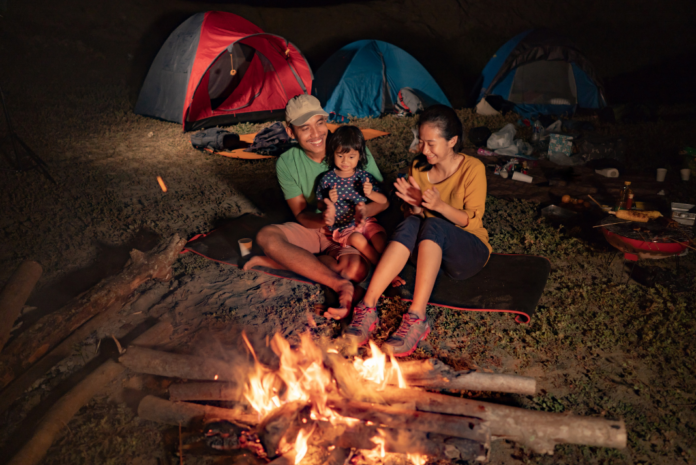

 

7 After-Dark Activities For Your Next Family Camping Trip

roasting marshmallows is one fun after-dark activity for family camping
Roasting marshmallows isn’t your only option for fun after-dark family camping activities.

Nothing holds the promise of adventure quite like a warm summer’s night—especially when you’re camping. Looking to make your next family camping trip truly unforgettable? Before settling down around the campfire to share scary stories and roasted marshmallows, try one of these fun and unique after-dark activities.


7 After-Dark Family Camping Activities

1 Go for a night paddle

Wait for a calm, clear evening to enjoy the memorable magic of a quiet night paddle. Gliding through the seamless union of water and sky and piercing the hearts of constellations twinkling on the still surface transforms your Evergreen Starburst into the Starship Enterprise and its occupants into intergalactic explorers.

Head to Quebec’s La Vérendrye Wildlife Reserve—just two hours from Ottawa and three from Montreal—for comfortable campsites, 2,000 kilometres of canoe routes on over 4,000 lakes and inky night skies blissfully free of light pollution. Nine recommended two-to-three-day circuits make it easy to plan a weekend away.


2 Howl with wolves

On Thursday evenings in August, park interpreters at Algonquin Provincial Park lead public wolf howls from the park’s Highway 60 corridor. The spine-tingling canine chorus frequently attracts up to 2,000 park visitors at a time. Success is by no means guaranteed, but wolves have been heard on 88 per cent of the outings held over the past two decades.

Check the park website or bulletin boards to confirm that the wolf pack has been located and the howl is a go, then join the hundreds of other vehicles lining the highway and listen quietly while park naturalists deliver imitation wolf howls and wait for a response from the dark woods.


3 Swim in a bioluminescent sea

Imagine plunging into an ocean where every break of a wave or flutter kick of a swimmer’s feet sets the ocean ablaze. The otherworldly glow isn’t harmful; it’s merely the biological response of billions of microscopic plankton agitated by the disturbance. Bioluminescent dinoflagellates occur in all the world’s oceans, but you’ll only see them when sea temperature and nutrient availability combine to spawn high concentrations of the tiny creatures.

Take a late spring trip to Vancouver Island when cold, well-oxygenated water promises good plankton blooms and bring your diving mask for an unforgettable aquatic experience.


Photo by Flash Dantz from Pexels

4 Catch and release fireflies

Fireflies, or lightning bugs, are better known vessels of bioluminescence for most landlubbers. These members of the beetle family prefer wet, wooded areas and use their talent to attract mates and prey. Burn off pre-bedtime energy by arming your family with butterfly nets and seeing who can catch and release the most fireflies. If chasing these elusive, dying-ember-on-the-wind sparks doesn’t tire everyone out, it’s probably time to cut back on their s’mores intake (see below).

[ Plan your next family canoeing adventure with the Paddling Trip Guide ]

Make The Ultimate S’more | Photo: Virginia Marshall
The ultimate s’more will provide plenty of energy for more after-dark activities. | Photo: Virginia Marshall

5 Make the ultimate s’more

A contraction of the words “some” and “more”—as in “gimme s’more”—the first printed record of this gooey, campfire treat appears in the 1927 Girl Scouts manual. While every camping family has almost certainly sampled the classic s’more, a roasted-to-perfection marshmallow sandwiched with a piece of chocolate between two graham crackers, we invite you to get creative.

Try, for example, the Fire Ban S’more, which is marshmallow spread and Nutella on graham squares. Or, for the ultimate delicacy, the Hedgehog S’more. For this cute one, roll your campfire-toasted marshmallow in M&M candies before placing between graham cookies. Mom and Dad can dip their hedgehog ‘mallows in Bailey’s before toasting. Yum.


Photo by Felipe Helfstein from Pexels

6 Count the shooting stars

This year, the most dramatic astronomical display is slated for mid-August when the Perseids meteor shower—considered by many to be the best annual shower visible from the northern hemisphere— enlivens the night sky with countless (at up to 50 meteors per hour, you’ll literally lose count) falling stars. Shooting or falling stars are actually debris from comets that enter our atmosphere and vaporize due to friction with the air.

The Perseids is one of nearly a dozen annual intersections between Earth’s orbit and cometary orbits’ meteor streams. For the best show, you’ll have to stay up after midnight on the night of August 12th and get far enough from any cities to enjoy a dark night sky. Find more meteor showers at EarthSky’s meteor shower guide.

[ Browse the widest selection of boats and gear in the Paddling Buyer’s Guide ]

sing with frogs, like this one, as an after-dark family camping activity
Each species of frog has a unique call—used to attract a mate, mark territory, presage rain or sound alarm. | Photo: Desmond Owers/Pexels

7 Sing with frogs

Many frogs are most vocal from dusk until after dark. Each species has a unique call—used to attract a mate, mark territory, presage rain or sound alarm—but some are more distinctive than others. As wetlands thaw in the warm sunshine, spring peepers kick off the chorus in March–May (depending on latitude) with their cheerful, onomatopoeic peeping, wood and chorus frogs begin “ribbit”-ing soon after, and the American bullfrog joins the choir with its deeper croak, “jug o’ rum,” in June and July.

Stroll the floating boardwalk after twilight in Presqu’ile Provincial Park on Lake Ontario to listen to the frogs’ sonorous refrain resound up to a mile across the still wetlands. Become an Ontario Frogwatch volunteer and listen to frog calls by province. And no, Dad, none of them say “Bud-weis-er.”

Paddling Magazine Issue 65 | Fall 2021

This article first appeared in the Fall 2010 issue of Canoeroots Magazine and in Paddling Magazine Issue 65. Subscribe to Paddling Magazine’s print and digital editions here, or download the Paddling Magazine app and browse the digital archives here.


Roasting marshmallows isn’t your only option for fun after-dark family camping activities. | Feature photo: Virginia Marshall


Fishing Kayak Reviews

Person on sit-on-top fishing kayak with rod
Photo courtesy: Wilderness Systems

The backyard at the Kayak AnglerPaddling Magazine‘s sister publication—editorial office looks like a used kayak dealership. Big boats, little boats, pedals, motors, inflatables, foldables and standup paddleboards are parked in rows and stacked in every corner.

Each boat is scratched and muddied from hours of testing. Our contributors and editors hail from every corner of the country and target every type of fish. We test these boats in real-world conditions and on the water where each boat performs best. Ocean boats go surfing, river boats shoot the rapids, pedal boats travel the distance and motorized kayaks are put through their paces.

Testing begins the moment the boat arrives at the office. We unpack, rig and outfit each boat, noting how the parts fit and the features come together. Then, we go fishing. On every trip we look at how we transport, enter, paddle, pedal or motor the kayak. We test the stability, maneuverability and fishability of each boat as it was intended to be used.

After testing nearly every fishing kayak on the water, we know what works and what doesn’t. We don’t compare apples to oranges, we judge each boat on its own merits, determining the most appropriate application and ideal owner.

Below, you’ll find the comprehensive resource for all our fishing kayak reviews, categorized by type of kayak and by brand. Didn’t find what you’re looking for? Let us know, and we’ll add it to the list of kayaks to test drive next.

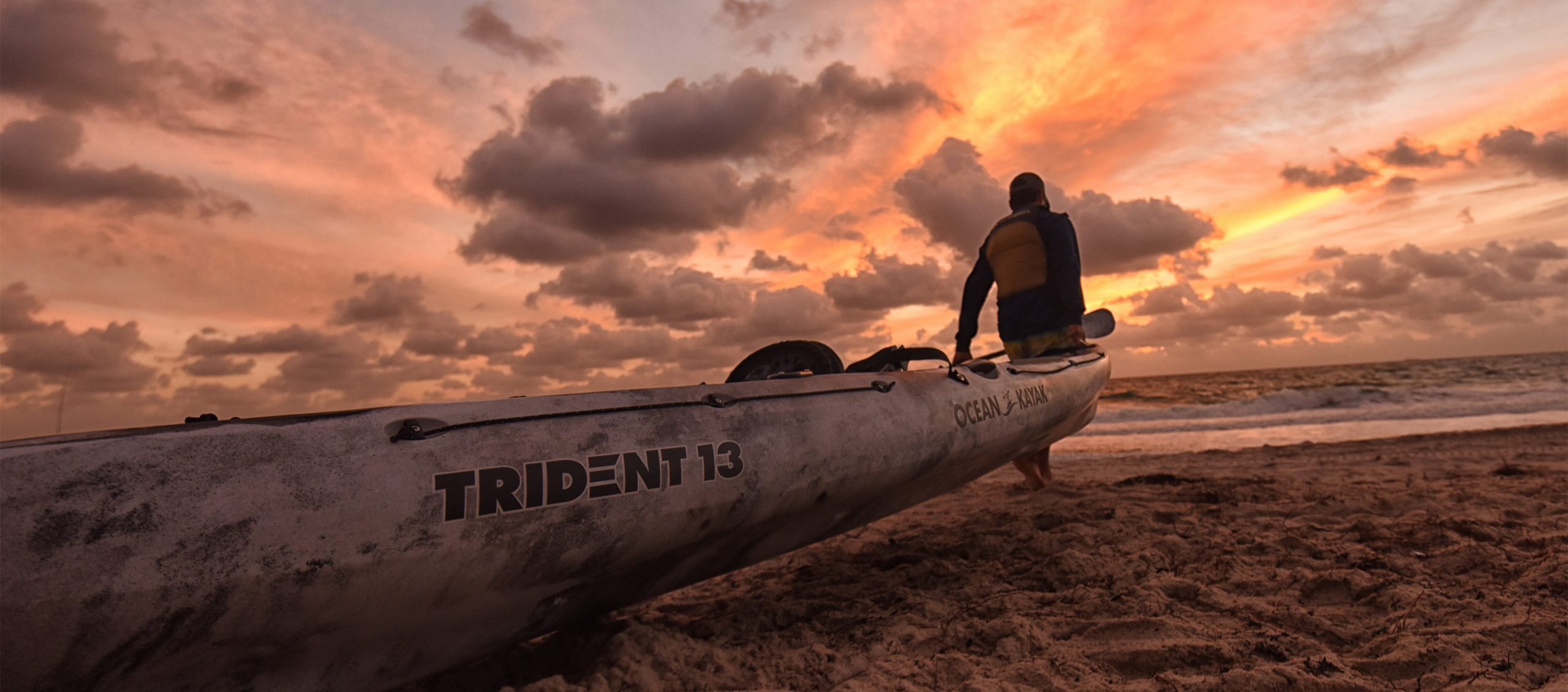
Person dragging a sit-on-top fishing kayak over sand toward water
Photo: Courtesy Ocean Kayak

Kayaks by type

Sea fishing kayaks reviews

Modern kayak fishing was born on the coast. Wishful surf anglers hoping to fish beyond the breakers bastardized recreational kayaks with rod holders and gear storage to reach the open ocean. Today, sea fishing kayaks are purpose-built for fishing, but they still employ the design principles of surf and open-water paddling and pedaling.

To efficiently cover miles of water, these boats are long and narrow with plenty of capacity. To survive the surf launch and recovery, paddle kayaks have a pronounced rocker and loose stability. Pedal and motor kayaks will have high sides, a wide beam and streamlined profile. On the open ocean, an angler has to be ready for anything. The best sea fishing kayaks have plenty of internal and external storage to carry a wide variety of gear and tackle.

River fishing kayaks reviews

One of the biggest advantages of kayak fishing is almost unlimited access to the water. Drag it to the launch, drop it down a cliff or wheel it across the beach, these small, lightweight craft get into water no other angler can reach.

River anglers especially appreciate the freedom of kayak fishing. Ricocheting off rocks, scraping the bottom and bouncing down rapids is no problem for a little plastic boat. River rats favor paddle kayaks with a short water line and loose stability. They like a boat that will drain water quickly and store rods and gear below deck. Inflatable standup paddlboards and kayaks are popular for their light weight and indestructible skin. When choosing a kayak for river fishing, look for a boat that can take excessive abuse and keep fishing.

Fishing pedal kayak reviews

Almost 20 years ago, Greg Ketterman was floating in a pool on an inflatable raft. “I was lying on my stomach and using my hands like flippers to propel myself around the pool,” he remembers. As his hands fluttered and flipped under the water, Ketterman had a brilliant idea. The result of the Hobie engineer’s pool toy became the Mirage Drive pedal system.

As kayak fishing took off across the country, many hopeful anglers saw pedal kayaks as an easy way to go fishing without having to learn how to paddle. After two decades, nearly every kayak manufacturer offers a pedal-powered model.

Pedal kayaks are more efficient and easier to use. They are popular with inexperienced anglers, expert anglers and anglers with mobility issues. Driving the kayak with your feet leaves your hands free for fishing, changing lures and updating your social media status.

Hobie’s pedal system uses pedals to move flexible flippers that propel the kayak. Other manufactures use bicycle pedals to turn a propeller. Anglers argue over which system is best. Each system has its advantages, so the choice comes down to personal preference.

While there are many advantages to pedal power, these boats also have their limits. Pedal kayaks are generally heavier and larger than a paddle kayak. They require more gear and, of course, anything with moving parts is at risk of a breakdown. Most important, the lower unit increases the boat’s draft, making the system more difficult to use in shallow water.

Many people who are intimidated by being on the water in a little boat feel completely comfortable in a pedal kayak. And pedal power opens kayak fishing to new anglers and new limits.

Inflatable fishing kayak reviews

At first look, an inflatable kayak and sharp fishing hooks don’t match. Upon closer inspection, air-filled kayaks are perfect for many anglers. To begin with, the heavy PVC material is virtually impenetrable. In fact, inflatable kayaks are so tough they are popular with river anglers fishing the roughest conditions. After years of testing, we have never put a hole in an inflatable.

Inflatables are also popular with anglers facing storage and transportation limits. These boats can be folded to the size of a suitcase—most can be checked as baggage on an airline. Store the boat in a closet and load it into a hatchback. You can even take an inflatable kayak on the bus.

Once you’re at the water, you’ll face the biggest challenge: inflating the boat. A double action manual pump will blow up the boat and provide an aerobic workout. After 15 minutes of sweating and breathing hard, the kayak will be ready to go. To save some energy, we recommend a battery-powered pump.

On the water, inflatable kayaks can go anywhere. They are lighter and tougher than a plastic boat, so an inflatable easily crosses rocks, logs and low water. Since the blow-up boat is filled with air, inflatables have a shallower waterline and higher gunnels. This hurts long-distance paddling performance, but the best inflatable fishing kayaks use a pronounced keel or fin box to improve straight line tracking and wind resistance. Inflatables are most popular on sheltered waters and rivers.

Inflatable kayaks designed for fishing have ingenious solutions for adding rod holders and other accessories. And, many of these boats are stable enough for standup fishing. For hopeful anglers with limited options for storage or transportation, inflatable kayaks can be a perfect fit.

Sit-on-top fishing kayak reviews

No other advancement has fueled kayak fishing more than the invention of the sit-on-top kayak. Since the paddler sits in a seat on top of the hull, instead of inside the cockpit of a traditional kayak, sit-on-top boats are more stable, offer more opportunities for rigging and allow anyone to get onboard.

Most important, sit-on-top kayaks are more stable and don’t fill with water. In the event the boat flips over, a sit-on-top is easier to return upright. Whether paddle-, pedal- or motor-driven, sit-on-top kayaks open the sport to more anglers in more locations.

Sit-inside fishing kayak reviews

To increase speed and stability while carrying loads of gear, the first kayaks required the paddler to sit inside the hull and closer to the water. Today, sit-inside kayaks are still popular with anglers looking for a lighter kayak with greater capacity. Many paddlers like the protection in inclement weather.

Sit-inside kayaks for fishing are wider and more stable while offering areas on the deck to attach accessories and storage. The best sit-inside kayaks offer comfortable seating and a wide, easy-to-access cockpit. Anglers who need a lightweight boat with high capacity and a lower profile will want to look at a sit-inside kayak.

Fly fishing kayak reviews

Stealth and sneakiness make a kayak perfect for fly fishing. Waving a long rod to propel a heavy line requires solid footing. To maintain balance, fly anglers look for a kayak with solid primary stability. An open deck with no obstructions prevents the fly line from tangling. Look for a kayak with multiple rigging options to store long fly rods vertically or horizontally.

2-person fishing kayak reviews

Anglers looking to get on the water with a friend will want a two-person kayak. Tandem kayaks have two seats and space for extra gear. These boats are great not only for two adult paddlers, but one person can easily take a kid or a pet as well.

Bass fishing kayak reviews

Observing trends in fishing kayak design, it’s obvious bass fishing has been driving innovation for the past decade. Not only is a kayak perfect for chasing the most popular sportfish in the world, but big-money bass tournaments are pushing kayak designers to develop the most advanced fishing platforms.

Kayaks for bass fishing feature solid stability, options for adding electronics, complete customization, tons of storage and comfort for a full day of hard fishing. Bass anglers race to the best fishing so pedal and motorized kayaks are most popular. Whether they are chasing personal glory or competing for a tournament win, bass anglers are looking for a kayak that offers every advantage.

Standup fishing kayak reviews

Spend any time in a kayak and you’ll realize fishing is easier when you’re standing up. Sitting low to the water reduces range of motion and room for the back cast. Standing up makes it easier to cast and work the lure. A higher viewpoint also allows the angler to see farther into the water to spot structure and fish. And, after a long day on the water, it’s nice to stand and stretch your legs.

Standup fishing kayaks will have solid primary stability and a wide beam. They will also feature a wide, open, flat deck with plenty of room for your feet. An elevated frame sits higher off the deck making it easier to stand up and sit down.

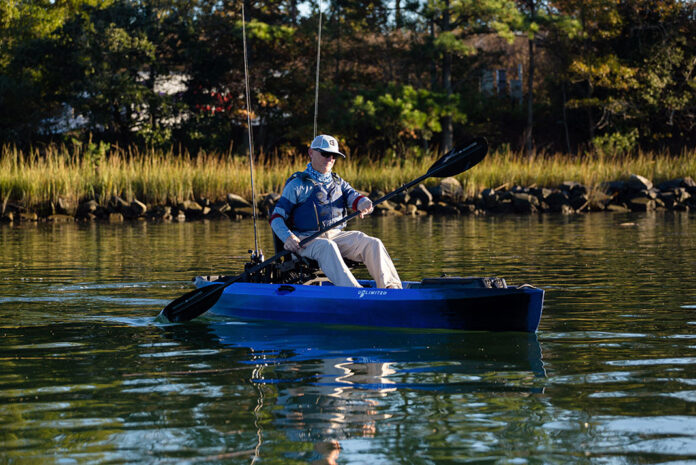
Person fishing from kayak with paddle

Kayaks by brand

3 Waters fishing kayak reviews

With a focus on stability and fishability, 3 Waters Kayaks have become popular with new anglers looking for safety and comfort. Advanced features, like dry storage, accessory tracks and a unique hull design, get the attention of seasoned anglers. For a solid boat at a great price, many people are jumping into 3 Waters Kayaks.

See our 3 Waters fishing kayak reviews below.

Ascend fishing kayak reviews

Built in Missouri, Ascend Kayaks are part of the Bass Pro Shops family of brands under White River Marine Group. As a dominant leader in angling supply and one of North America’s largest outdoor retailers, it should perhaps come as no surprise that Bass Pro has their own kayak label.

With affordably priced sit-inside, sit-on-top and hybrid options, Ascend fishing kayaks focus on stability, comfort and value. Their Yak-Power series adds a built-in battery and plugs to power electronics—in a fully featured fishing kayak priced under $1,000 USD.  Ascend Kayaks can also be found at Cabela’s and smaller marine retailers carrying Bass Pro brands.

See our Ascend fishing kayak reviews below.

Bonafide fishing kayak review

Opening their doors in 2016, Bonafide Kayaks seems to be the new kid on the block. But the company’s origins go back further; their team is composed of some of the most experienced anglers and designers in the sport’s history. The result is a line of kayaks that are thoughtfully designed to optimize comfort, efficiency and fishability.

See our Bonafide fishing kayak reviews below.

Brooklyn Kayak Company fishing kayaks

Newcomers to the kayak fishing scene, Brooklyn Kayak Company is an online-only retailer based in New Jersey that ships their entry level fishing kayaks across the Lower 48. BKC kayaks are manufactured in China and come with everything you need to start fishing, including paddles, making them an enticing choice for beginner kayak anglers on a tight budget.

See our Brooklyn Kayak Company fishing kayak reviews below.

Coming soon

Emotion fishing kayak reviews

Founded in Pennsylvania in 2002, Emotion Kayaks established itself as a leader in recreational paddlesports. Their sit-inside and sit-on-top fishing kayaks quickly became popular for use on lakes, bays and slow-moving rivers. In 2011, Emotion Kayaks was purchased by Lifetime, with many of the most sought-after designs being rebranded under the Lifetime label. Today, classic fishing kayak designs like the Emotion Stealth Angler series are sold under the Lifetime brand.

See our Emotion fishing kayak reviews below.

Coming soon

Field & Stream fishing kayak reviews

Field & Stream is a retail brand selling outdoor gear since 1871. The Field & Stream brand is owned by Dick’s Sporting Goods and available here as well at dedicated Field & Stream retail stores. Field & Stream produces low cost recreational kayaks with features helpful to anglers, including rod holders and tankwell storage, making them a popular choice for aspiring kayak anglers with a limited budget.

See our Field & Stream fishing kayak reviews below.

Coming soon

Hobie fishing kayak reviews

Since 1950, Hobie has been in the business of shaping quality products for a unique lifestyle based around fun on the water. From their headquarters in California, Hobie Cat Company and its global subsidiaries produce an impressive collection of watercraft and accessories. In addition to their twin-hulled sailboats, for which they are well-known, Hobie Cat also offers standup paddleboards, surfboards, kayaks and boats for both recreation and fishing.

For kayak anglers, Hobie is best known for the Mirage Drive pedal system. The introduction of hands-free kayaking has opened the sport to anglers of any ability. Each product line is also complimented with a comprehensive array of parts and accessories, so Hobie fans can customize their kayaks with matching rod holders and storage options. See our Hobie fishing kayak reviews below.

Jackson fishing kayak reviews

Jackson Kayak was founded by its namesake, world-renowned whitewater daredevill Eric “EJ” Jackson. After working with Wave Sport Kayaks as a team member and designer, Eric Jackson and business partner Tony Lunt formed Jackson Kayak in Rock Island, Tennessee. Since 2003, Jackson has been a leader in innovations that have become standard across the industry.

With boats in every design category, Jackson Kayak stays true to its river roots with some of the best swiftwater craft on the market. See our Jackson fishing kayak reviews below.

Lifetime fishing kayak reviews

Until recently, Lifetime was better known in the sporting goods world as the first manufacturer of adjustable-height basketball hoops, which soon became ubiquitous in driveways across North America. Founded in 1986, the company went on to make other durable outdoor goods like picnic tables and garden sheds.

Headquartered in Utah, Lifetime wasn’t exactly positioned to become a player in the kayak fishing scene. This changed with Lifetime’s acquisition of California-based Dragonfly Kayaks in 2010 and Emotion Kayaks in 2011. Since then, Lifetime has gained a foothold in the kayak fishing scene with their widespread availability and inexpensive options for aspiring kayak anglers. Lifetime is also expanding their lineup with offerings for the dedicated kayak angler, including pedal kayaks like the Lifetime Renegade.

See our Lifetime fishing kayak reviews below.

Native Watercraft fishing kayak reviews

The people at Native Watercraft have spent a lifetime knocking around the outdoors as a passion and a career. Their decades of boat-building knowledge is behind each Native Watercraft. This experience is evident in Native’s legacy of innovation. The team is credited with the first frame seat and the first pedal kayak with reverse. And the chase continues with new materials and designs focused on making each outdoor experience the best it can be.

See our Native Watercraft fishing kayak reviews below.

Ocean kayak fishing kayak reviews

In 1971, in a backyard in Malibu, California, Tim Niemier took an old surfboard and carved out two spaces: one to sit in and another for his scuba gear. At that moment, the sit-on-top kayak was born. Word spread, demand skyrocketed and a few years later Niemier opened Ocean Kayak to shape kayaks out of rotomolded plastic.

Today, and tens of thousands of boats later, Ocean Kayak is one of the world’s biggest manufacturers of sit-on-top kayaks. They build a variety of recreational and fishing models with an eye for open-water capability. While Ocean Kayaks perform great in any type of water, the company’s name says it all, these boats were meant to be at sea.

See our Ocean fishing kayak reviews below.

Old town fishing kayak reviews

Over 100 years ago, the first Old Town canoe was built along the Penobscot River in Old Town, Maine. After a century-long journey, some of their oldest boats are still on the water. Today, Old Town leads the way in bringing innovation to every type of angler. Whether you fish the local farm pond or you’re chasing tournament victories, Old Town has a kayak to make your experience unforgettable.

See our Old Town fishing kayak reviews below.

Pelican fishing kayak reviews

The folks at Pelican are world leaders in the design and manufacturing of kayaks, canoes, pedal boats and fishing boats. For over 50 years, Pelican’s mastery of thermoform plastic molding has created durable, quality products at an affordable price. The process molds sheets of plastic that are joined together to create a lighter, tougher and less expensive boat, perfect for newbies and old salts.

See our Pelican fishing kayak reviews below.

Perception fishing kayak reviews

For over 40 years, Perception has been proud to introduce people to paddling. The company is staffed by passionate kayakers who design, mold and hand-assemble every Perception kayak in Greenville, South Carolina. With paddling experience running through the company, Perception’s team knows the personal touches that make kayaking fun for paddlers of all experience levels.

See our Perception fishing kayak reviews below.

Vibe fishing kayak reviews

Since 2013, the people behind Vibe have focused on one thing—giving paddlers of any skill level the opportunity to experience the freedom of escaping into nature. The brand is built on a passion for the water, fishing and outdoor living. Their products are a perfect combination of good looks, great features and affordability. With models in every category, Vibes boats are designed to hook anglers and keep them on the line.

See our Vibe fishing kayak reviews below.

Wilderness Systems fishing kayak reviews

All week we dream of being on the water and away from the daily grind. We dream of finding perfection in nature. Since 1986, Wilderness Systems has been producving kayaks to take you there in comfort and style. The result has been innovative designs tuned for performance, premium outfitting and top quality. From new entrants to seasoned experts, Wilderness Systems kayaks are designed to get you where you want to be—on the water.

See our Wilderness Systems fishing kayak reviews below.

Kayaks by store

Walmart fishing kayak reviews

There are more than 3,500 Walmart Supercenters in the United States alone. This makes Walmart one of the most accessible places for prospective kayak anglers to pick up an inexpensive fishing kayak. Walmart carries a variety of some of the largest and most affordable fishing kayak brands, including Pelican and Lifetime.

See our Walmart fishing kayak reviews below.

Coming soon

Kayaks by size

12-foot fishing kayak reviews

Twelve-foot fishing kayaks are like the porridge that’s just right. Not too long, not too short. They provide a good compromise between maneuverability and tracking, and between speed and stability. Many kayak anglers are well aware of the benefits of 12-foot fishing kayaks, and so are manufacturers. This is why 12-foot fishing kayaks are some of the most popular on the market.

The general range of fishing kayaks is usually between 10 and 14 feet. A 12-foot fishing kayak provides more speed and straighter tracking than a 10-foot kayak, giving anglers the ability to cover more water faster, and enjoy more time actually fishing. Compared to a 10-footer, a 12-foot fishing kayak also provides more deck space, increasing gear storage and comfort for larger anglers.

Longer may be faster, but the tradeoff is decreased maneuverability. Again, a 12-foot fishing kayak strikes a great balance—more nimble than a 14-footer, but still relatively quick on the water. This difference in length also equates to less weight, making a 12-foot kayak easier to transport.

There is a reason 12-foot fishing kayaks are one of the most popular size fishing kayaks. These boats offer increased speed and capability without sacrificing ease of use.

See our 12-foot fishing kayak reviews below.

Coming soon

Related articles


Best P&H Kayaks For 2026

SADDLE UP AND WATCH THE SPARKS FLY. | PHOTO: ADVENTURE KAYAK STAFF

Long known as one of the three premier United Kingdom-based sea kayak manufacturers—and instrumental in reintroducing sea kayaking to modern recreational paddlers—P&H Sea Kayaks has a legacy that dates back over 50 years.

P&H Kayaks was founded in 1968 and quickly became known for their design, innovation and quality. Initially, the brand built boats for kayak and canoe slalom and kayak surfing. Original designs, such as the Phazer and MKII, are still fondly remembered today by industry veterans.

In the late 1970s, P&H Kayaks applied their expertise crafting river and surf kayaks to manufacturing fiberglass sea kayaks. Designed by late industry legend, Derek C. Hutchinson, P&H sea kayaks soon became popular on the open coastal waters around the United Kingdom, as well as North America and other world markets.

The mid-‘90s saw P&H Kayaks pivoting once again, bringing rugged and affordable rotomolded polyethylene kayaks to market with the introduction of the Capella sea kayak, one of my all-time favorite designs.

In 2004, when founder Dave Patrick retired, P&H Kayaks was acquired by Pyranha Kayaks, a leader in whitewater kayaking also based in the United Kingdom. The two companies enjoyed a long history of partnership dating back to the 1970s, collaborating on designs and co-manufacturing for each other, so the merger was a natural transition.

Recent years have seen P&H Kayaks lead the market once again by developing kayaks that continue to reflect what customers want. A great example of this is the trend toward shorter and smaller sea kayaks suitable for day trips and more playful conditions. P&H models like the Aries, Delphin, Virgo and others have quickly gained favor among those who love river and ocean surf play, while still having enough storage capacity and versatility for multi-day trips.

P&H Kayaks set themselves apart not only through their industry-leading designs, they also offer buyers the opportunity to customize every kayak to suit their unique needs. Customers can choose from various composite materials such as fiberglass and Kevlar, as well as several hull thicknesses ranging from lightweight to expedition-grade for increased durability.

You can also choose from a palette of vivid colors to create a one-of-a-kind look for your kayak’s deck (top), hull (bottom), cockpit coaming, decklines and bungees. P&H will even install accessories like compasses, bilge pumps and custom graphics to make each paddler’s kayak truly unique.

P&H Sea Kayaks has always remained true to its goal of producing paddler-tested designs for avid kayakers. The result is a lineup of P&H kayaks that perform well and are comfortable to paddle, meant for kayaking enthusiasts who take the sport seriously and are willing to invest in a quality boat to achieve their paddling dreams.

Whether you are looking for a kayak for multi-day expeditions, kayak surfing, day tripping or one that has multiple uses, P&H Kayaks has a model for you.

Shopping for a used P&H kayak?

Like any high-end kayak, P&H Kayaks will hold their value for a very long time. This is especially true of composite kayaks that are kept in good shape. You may discover the P&H kayak of your dreams listed for sale on a buy-and-sell website like Facebook Marketplace, Craigslist or Kijiji. If you’re lucky enough to track down a used P&H kayak, there are some things you should keep in mind before you buy.

First, examine the overall condition of the P&H kayak. If the kayak is made from a composite material like fiberglass or Kevlar, look for gelcoat wear on the hull (bottom) and deck (top). While scratches and “spider webbing” (faint cracks that don’t penetrate the gelcoat) are generally cosmetic rather than structural, you can use this as a bargaining tool to save up to a couple hundred dollars.

This type of wear is also easily repaired by a skilled hand. More serious damage, like punctures or deep gouges that expose the fiber weave, can also be repaired professionally so this may not be a deal-breaker if you’re able to get a good bargain.

For plastic P&H kayaks, look for wavy deformities or indentations (called “oil canning”) in the kayak hull. These speed-sapping dents are an indication the kayak has been stored improperly or strapped too tightly to a rack for extended periods. Plastic kayaks stored outside with prolonged UV exposure are the most likely to show oil canning.

Again, this isn’t necessarily a deal-breaker, but it could mean the kayak will wear out more quickly than one without UV damage. Deep gouges in the hull can be repaired by someone experienced in plastic welding. Plastic is an exceptionally robust material, and most scratches and wear will be superficial. A well-loved boat will have some hull dents and dings, but most of these won’t affect how the kayak paddles.

Also examine outfitting like decklines (non-stretch cords that run around the perimeter of the deck), bungees (stretchy cords laced across the deck that are used to stash maps, water bottles and other small items) and hatches. If these parts are worn out or damaged, they can be easily replaced at a nominal cost. Expect to spend a few dollars for new decklines, while replacement hatches can cost up to $75.

Pay particular attention to the seat pan, foot braces, rudder controls or skeg (retractable fin that drops out of the stern), as these parts may be manufacturer-specific items that are not readily available for older, out-of-production kayaks. If you feel some of these larger items need to be replaced, contact P&H Kayaks or one of their dealers regarding replacement availability and costs for replacement parts.

Buying a used kayak in 2022 is a very different exercise than it used to be pre Covid-19. The pandemic has caused people to enjoy activities closer to home, and one of those activities has been kayaking, causing the new kayak market to be almost entirely sold out. Which in turn has increased the value of kayaks in the used market.

It used to be that used kayaks would sell for about half their new retail cost. Now, kayaks that are several years old are frequently listed for close to new kayak prices. My 17-foot-long fiberglass sea kayak that I purchased in 2009 for $2,000 would likely fetch very close to the same price in the current used market. Buyers also need to be cautious of predatory pricing tactics by some used sellers.

Cross-check prices, and if a price seems unusually high, call a P&H Kayaks dealer for their opinion on the used kayak price.

For more tips on what to look for when selecting a used kayak, read our article How To Buy A Used Kayak.

P&H kayak buying advice

P&H Kayaks are sold at paddlesports retailers across North America. The brand produces a reasonable number of models in various categories, making it easy to figure out the right P&H kayak for your needs. The current line-up of P&H Sea Kayaks features 16 different kayaks across eight models ranging in length from the playful Virgo at 14 feet long to the expedition-ready Cetus HV at 18’3”.

To find the perfect P&H kayak match, first decide what kind of kayaking you want to do, or more realistically, what kind of kayaking you plan to do most of the time. This will determine where you should be focusing your research efforts. There’s no sense in buying an ocean play kayak if you plan on spending most of your time on calm waters, or in buying an expedition kayak if the majority of kayaking you plan to do is short day tours.

P&H kayak types

P&H Sea Kayaks are available in four categories: Day/Weekend, Ocean Play, Fast Sea and Expedition, with some versatile kayaks straddling two different categories. Here’s an overview of the models available and what type of paddling each is best suited to:

  • Day/Weekend: Leo
  • Day/Weekend & Ocean Play: Virgo, Volan
  • Ocean Play: Aries, Delphin, Delphin II
  • Expedition: Cetus, Scorpio II
  • Fast Sea & Expedition: Valkyrie

Day/weekend touring

Day/Weekend kayaks are generally shorter kayaks at 14 to 16 feet in length and are ideal for those wishing to take the kayak out for day trips or shorter overnight trips. Day/Weekend kayaks provide less storage space for supplies, but are highly maneuverable and well suited to navigating meandering waterways. This agility also makes some models equally suited to Ocean Play.

Ocean play

Ocean Play kayaks are 14 to 15.5 feet long and have more rocker than a dedicated Day/Weekend touring kayak. Rocker relates to the curve of the hull from bow to stern, or the amount of upsweep from the middle to the ends of the kayak. The more rocker, the more maneuverable the kayak.

Paired with a flatter hull profile at the mid-section, this allows Ocean Play kayaks to excel in rough water activities like surfing and rock-hopping (paddling among wave-washed rocks).

Expedition kayaks

Expedition and Fast Sea kayaks are 16 to 18 feet in length with a primary purpose of multi-day trips and longer expeditions. The longer length provides an increase in storage space for provisions.

The increased length also equates to better glide, higher speed and superior tracking (the tendency of a kayak to paddle in a straight line) for a fast and efficient touring kayak.

P&H kayak volumes

Many P&H kayak models are available in different sizes, or volumes, to fit various body types.

Low volume (LV)

Low Volume kayaks are designed for shorter, or more petite, paddlers. Those wanting a tighter fit with more contact between themselves and the kayak, providing increased boat control, may also opt for a LV kayak.

Mid volume (MV)

Mid Volume kayaks are best suited for the “average” sized paddler. At 5’11” and 210 lbs, this is the size that I would opt for in most designs.

High volume (HV)

High Volume kayaks are intended for larger or taller paddlers. They also have more storage volume for camping and tripping gear. Paddlers with more girth or wider hips may find more comfort and better fit in a HV kayak. Several friends who are in the 6’4” and 225-lb+ range would likely enjoy the fit of an HV kayak.

Remember, online research will only get you so far. The best advice we can offer is to always test paddle before buying any boat. The more time you can spend on the water in a similar style of kayak, the better the purchasing decision you will make.

P&H kayak materials

Finally, the material the kayak is made from will likely weigh into your purchasing decision, in terms of both performance and price.

P&H offers different materials on different models. Kayaks designed for surf play and rock gardening are typically manufactured with their proprietary CoreLite X polyethylene plastic. Some expedition kayaks are also available in this material. P&H plastic kayaks can take a beating and keep on playing. This strength comes with added weight; a composite kayak of the same length may be 4.5 kg/10 lbs lighter. However plastic kayaks are typically cheaper than comparable composite kayaks.

P&H Kayaks has several composite layups available for customers to choose from: Kevlar, Diolin or Kevlar/Diolin and Kevlar/carbon blends. These composite materials make the kayaks lighter and also allow the customer to take advantage of the P&H Kayaks customization program. Choose from loads of different color combinations to make your kayak a one-of-a-kind showstopper.

Along with being lighter than plastic, composite kayaks are sleeker, more rigid and faster. While plastic may be more impact-resistant, composite layups are also very durable and can be mended in the field by a well-equipped kayaker with the appropriate repair kit and training.

Each material definitely has its pros and cons and it is worth talking to your dealer about the type of paddling you wish to do before settling on a model and material.

Prices

P&H Kayaks are priced at the higher end of the new kayak market. Expect to spend from $1,400 USD for a plastic Day/Weekend touring kayak, up to $4,550 USD or more for a composite Expedition kayak. In my opinion, P&H kayaks are very much worth the cost.

The quality of construction is top notch, as are the industry-leading outfitting and designs. Investing in a P&H kayak assures many years of paddling pleasure. And if you do decide to sell, a P&H kayak will hold its value far better than a cheaper entry-level kayak.

Want to know more? Find our answers to the most common questions about P&H kayaks below.

  • P&H kayak dealers

    P&H Kayaks are only sold through authorized dealers. Visit the P&H Kayaks website and consult their dealer locator to find one near you.

  • Where are P&H kayaks made?

    P&H Kayaks are made in the United Kingdom. They are designed in the UK and the USA.

P&H kayak reviews

Paddling Magazine editors and reviewers have test paddled the entire P&H Kayaks line-up throughout the years. Find our reviews and impressions below.


Fishing Kayak Review: NuCanoe Unlimited

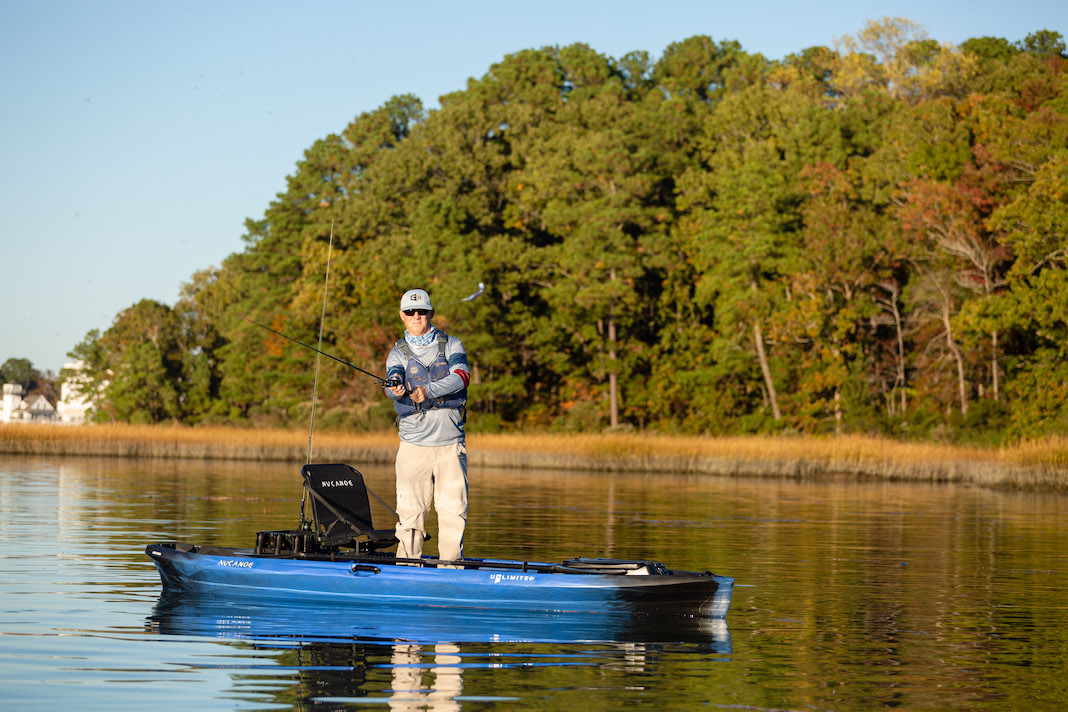
Man paddling blue sit-on-top kayak
Photo: Roberto Westbrook

When the Kayak Angler office received a NuCanoe Unlimited to review at the height of fall speckled trout season, the team was understandably excited. NuCanoe’s designs are famously fishable backwater sleds, and the newly released Unlimited was one of 2021’s most talked-about fishing kayaks. Based on what I had heard, I expected the boat to hunt the flats and creeks like a hungry tiger.

NuCanoe’s Unlimited has endless possibilities

NuCanoe Unlimited Specs
Length: 12’6”
Width: 41”
Weight: 84 lbs (hull weight)
Capacity: 400 lbs
MSRP: $1,749
nucanoe.com

The NuCanoe Unlimited is 12.5 feet long, 41 inches wide and features NuCanoe’s signature canoe-kayak hybrid hull design with open deck and high gunwales. At 84 pounds, the Unlimited’s hull is designed to be used mainly with a motor or pedal drive. When I unloaded it off the trailer I stared at the massive blank canvas and started dreaming about its limitless possibilities.

The topside of the Unlimited is totally open for the angler’s interpretation. There are 11 gear tracks placed at convenient locations to mount electronics, rod holders, gear storage, and even a motor and anchor system. In addition, small access hatches—which NuCanoe calls wiring access plates—are placed at the bow, stern and midship to make electronics and power installation easier and cleaner. Just mount the accessory near one of the wiring access hatches and run the cables below the deck. The optional ThruHull Wiring Kit available on NuCanoe’s website makes for even easier gadget installation—the kit comes with eight rubber inserts with standard hole sizes, four blank inserts, two nylon grommets and two hardware sets.

Given its capacity for loading for bear, the Unlimited will be especially appealing to expedition anglers and those fishing the tournament trail. However, I kept rigging simple with a Railblaza Kayak Angler Crate to hold my rods and tackle. Sometimes less is more. Simple is beautiful, they say.

NuCanoe has added smart design details to the Unlimited. The boat we tested was fitted with the optional GearPod bow storage compartment. This 10-gallon watertight storage space is convenient for stowing tackle trays, lunch and a rain jacket. The Unlimited’s EVA-foam padded deck is cut and patterned to match the deep channels integrated into the deck, which move water to the scuppers and provide more rigidity for standup fishing. And—my favorite touch—the carry handles on each side double as taco-style paddle holders. I love a double-purpose gadget that does two things well.

NuCanoe Fusion 360 seat

The Unlimited comes with NuCanoe’s Fusion 360 Seat, which is also standard on the F10 and Frontier 12. The 360 bit means the seat spins 360 degrees to fish in any direction or turn around to reach gear in the stern. The seat base moves forward and back on 79-inch-long gear tracks molded into the deck. This huge range allows for customizing your deck and levelling the kayak’s trim so you can get the best performance.

The Fusion 360 Seat is built tough with fabric fused to the frame, so it won’t sag or stretch. The wide seat is plenty comfortable for all-day fishing. The elevated Fusion 360 Seat feels a bit like sitting on a throne—the high seat doesn’t lend itself to an efficient position for long-distance paddling, and it exposes the angler to more wind, which further slows paddling progress. However, the advantages of the elevated perch are more room for casting and a better view of the water.

NuCanoe Pivot Drive pedal system

The Unlimited’s bow is designed to accommodate a motor or anchor system, while its squared-off stern can accept a trolling motor, outboard, anchoring system and NuCanoe’s own Pivot Drive pedal system.

The Pivot Drive consists of a pedal unit mounted to the deck and a flexible external cable attached to a propeller in the stern. A handle near the seat connects via wires to the propeller in the stern to steer the boat. I’ve enjoyed the few minutes I’ve spent pedalling the Pivot Drive at trade shows. I would have loved to try it on the big Unlimited. Instead, this trout trip was a paddle adventure.

Man fishing from seated position on sit-on-top kayak
Photo: Roberto Westbrook

NuCanoe Unlimited performance

The Unlimited is too big and awkward for me to lift onto my roof racks solo, so I used a Malone MicroSport trailer to haul the Unlimited to the put-in. My Malone WideTrak ATB cart wheeled the boat to the water at the launch.

Once on the water, the NuCanoe is easy to paddle for a full-size, extra-wide kayak. Many full-size standup kayaks in the same class as the Unlimited use a catamaran hull to improve stability and tracking. Instead, NuCanoe’s Unlimited relies on a long waterline and channeled hull to provide straight-ahead tracking, while its wide beam makes for a stable fishing platform. The Unlimited can carry the gear and accessories of a full-size kayak and still stand and paddle or cross shallow water like a champ.

As I paddled the Unlimited around the backwaters of Southeast Virginia, I imagined how I would rig the boat for serious fishing. Without scupper plugs, the Unlimited boasts 400 pounds capacity and with plugs it will hold up to 650 pounds. The huge capacity means there’s room for electronics, batteries and pedals or an outboard motor, making the boat a leader in the race to rig a kayak for unlimited fishing.

If you’re looking for a light and nimble sit-on-top paddle kayak, I suggest looking at the NuCanoe Flint or Pursuit. But, if you want to rig a kayak with a motor, electronics, pedals and anchor system for competitive fishing and big adventure while still having the performance to paddle and fish when the water gets shallow, then the NuCanoe Unlimited is a boat for you.

Pros and cons

Pros

  • Open deck for rigging
  • Multiple power options
  • 360 swivel seat

Cons

  • No internal storage


Man standing and casting on sit-on-top kayak
Photo: Roberto Westbrook

Walton-Owned Firm Invests in Eddyline Kayaks

Eddyline Kayaks
Photo: Eddyline Kayaks

Eddyline Kayaks is set to swell its production capacity and distribution network thanks to an equity boost from Arkansas-based firm RZC Investments.

The 50-year-old Washington-based recreational and light touring kayak brand will retain control of its board, with three-fifths of directors consisting of long-term Eddyline management. Meanwhile, RZC Investments will support Eddyline’s growth, including plans for a new facility in Arkansas.

Eddyline was already in the process of expanding prior to the investment from RZC. In early 2020, Eddyline moved into its current headquarters in Burlington, Washington, doubling its production capacity, and opened another production facility in Queretaro, Mexico, in 2021.

Eddyline currently sells its kayaks to approximately 100 dealers at 150 store locations across the United States and Canada. The future Arkansas distribution center will help the brand get its kayaks to dealers and customers more efficiently, said Eddyline president Scott Holley.

“[In Washington] we’ve got a lot of advantages in our proximity to world-class sea kayaking in the Pacific Northwest, but we’re at a disadvantage when it comes to shipping to important markets in the southeastern U.S.,” Holley said. “Having a distribution presence in northwest Arkansas, which is really well-situated and central, will help us make sure we can get Eddylines into the hands of our dealers and consumers more quickly.”

RZC Investments is the direct investment firm of Runway Group, founded by Steuart and Tom Walton—grandsons and heirs of Walmart founder Sam Walton. The brothers have been committed to growing the outdoor recreation community in northwest Arkansas for over a decade, notably in the development of mountain biking infrastructure and trail networks through their family’s foundation and through investments in bicycle manufacturers. Eddyline is RZC’s first venture in the world of paddlesports. Despite the Walmart connection, Eddyline products will not be available in the superstore. “We do not have any relationship with Walmart nor do we anticipate having a relationship with Walmart,” confirms Holley. 

“We began the process of looking for ways to grow a couple years back, and through that process we went to Bentonville [Arkansas] to look for resources,” Holley said. “It turned out that one of the individuals affiliated with RZC is also a passionate Eddyline customer, so when he found out we were looking to expand our production, he got in touch with us, one thing led to another, and that’s how this came about.”
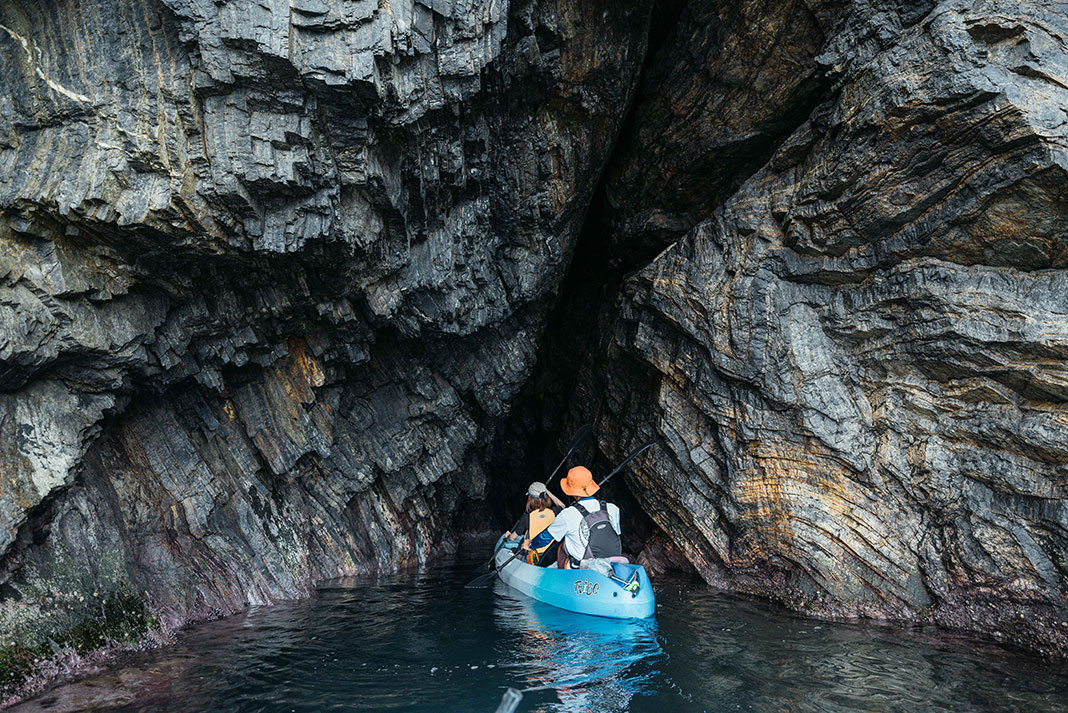
According to Holley, the Walton’s—and RZC’s—focus on outdoor recreation made the investment firm a good fit for Eddyline.

“RZC and the Waltons have shown tremendous commitment to conservation and outdoor recreation,” Holley said. “In northwest Arkansas, there’s a ton of outdoor recreation going on there, and a lot of opportunities to grow kayaking as a sport,” Holley said. “I’m excited to have a long-term partner who shares our vision for making quality gear.”

Eddyline’s current product lineup is manufactured using Carbonlite, a high-performance thermoplastic, which creates a lightweight, shiny and UV-resistant design. An increased interest in recreational kayaking, due in part to the COVID-19 pandemic, brought Eddyline more first-time buyers than ever.

“COVID really changed how people thought about recreating,” Holley said. “Before, a lot of people would buy an Eddyline after they already had some experience, and now we’re seeing a lot more people coming into the sport willing to do the research and pay a premium for a quality product.”
“Supply-chain issues have been at the top of every kayak manufacturer’s mind since the beginning of the pandemic,” he added. “You had massively increased demand at the same time that getting raw materials and getting finished products into the hands of consumers became more challenging than ever. This investment will help us expand our production capacity and distribution capacity.”
In terms of product offerings, Eddyline is looking to continue its focus on quality and performance while adapting to the new user market. “We’re working on a lot of product initiatives right now, including filling out our existing line and improving the feature set for comfort and accessibility,” Holley said. “Quality of design, craftsmanship and service are things we’re not going to settle on.”

As part of the investment, RZC Vice President Don Huffner joins the Eddyline board along with longterm managers Todd Keane, Janet Sutton and president Scott Holley. While Eddyline and RZA are not disclosing the dollar amount of the investment, it’s clear the increase in funding is substantial enough to allow Eddyline to pursue an entirely new geographic presence in the south-central U.S.—good news for retailers and buyers in a booming paddlesports industry.

Read the Eddyline press release about the investment here.

7 Reasons North Alabama Needs To Be On Your Paddling Bucket List

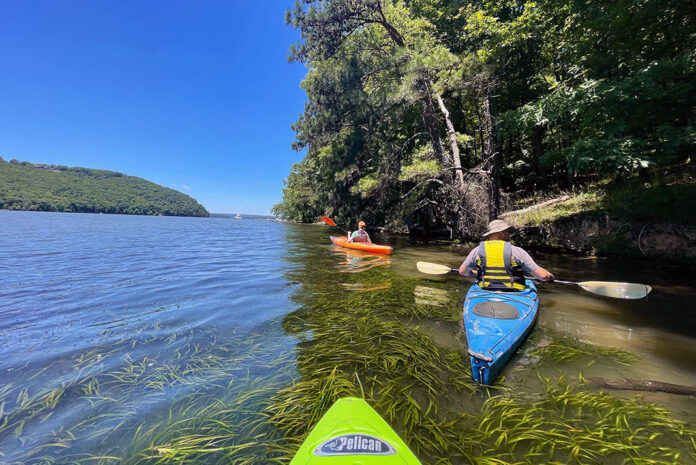
Kayakers explore shallow waters near shore on a lake. You can see seaweed beneath the surface.
On a paddling adventure on Guntersville Lake. | Photo: Desiree Keepper // @kayak_and_coffee

For most first-time visitors, North Alabama calls to mind sultry summer afternoons and images of unspoiled southern Appalachia. But dig a little deeper and you’ll find this diverse region is home to sparkling lakes, exhilarating rivers, picture-perfect waterfalls and a wealth of unforgettable natural wonders.

North Alabama is especially enthralling for water-lovers. It seems like everywhere you turn, water flows through the Heart of Dixie, from the magnolia-scented meanders of Bear Creek and the bird-filled wetlands of Wheeler National Wildlife Refuge, to the mountain lakes crowded with trophy fish and the breathtaking plunge of DeSoto Falls. Whatever your appetite, you’ll find amenities and campsites to support overnight trips or any kind of day trip you can imagine.

Even better, paddling in North Alabama is spectacular year-round. Each season offers something special, from thundering spring waterfalls and flaming fall colors, to refreshing summer swimming holes and incredible winter wildlife viewing.

Whether you are a dedicated kayak angler, avid recreational paddler or whitewater enthusiast, here are seven great reasons North Alabama belongs on your paddling bucket list.

[This article is part of our Ultimate Guide To Paddling In Alabama. Find all the resources you need to plan a paddling adventure in Alabama.]

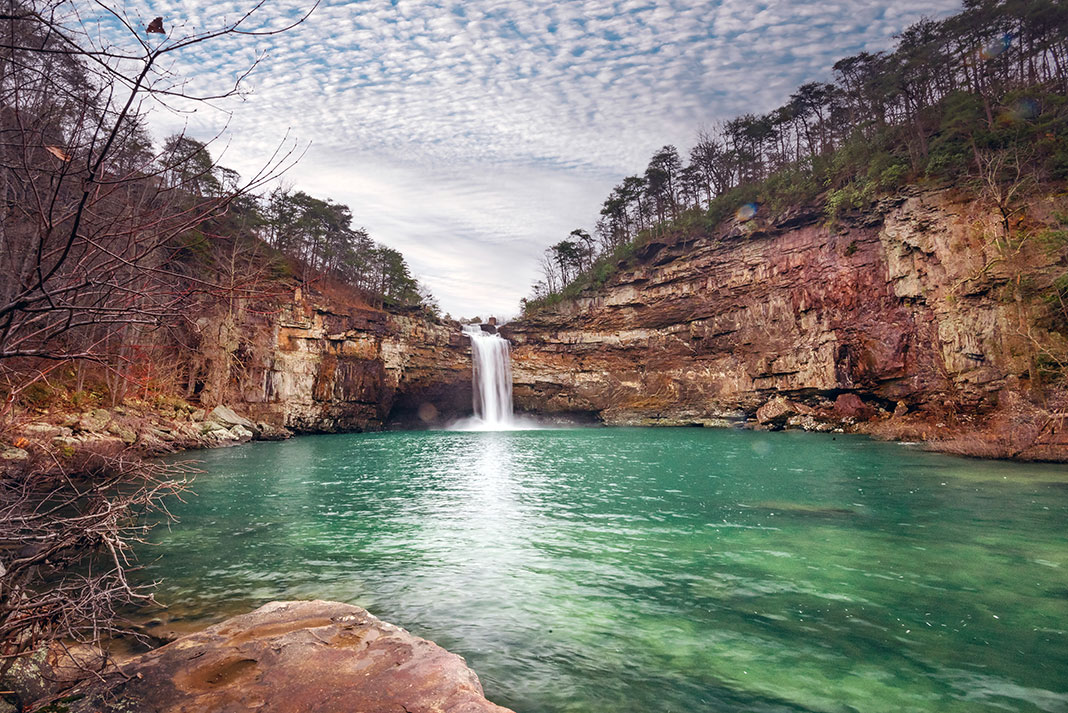
Waterfall pouring over rocks into green-colored waters.
The magical DeSoto Falls in North Alabama awaits. | Photo: Leann Hill Photography

1 Breathtaking waterfalls

Few places rival North Alabama for the sheer number and easy accessibility—not to mention the fairy tale beauty—of its many waterfalls. In fact, the 25,000-acre Sipsey Wilderness in northwestern Alabama is nicknamed the “Land of a Thousand Waterfalls” because it seems you can’t take a hike or go for a paddle without seeing one!

[ View all paddling adventures in Alabama in the Paddling Trip Guide ]

Feel the mist from the brink of 107-foot DeSoto Falls as it plunges off Lookout Mountain, then leave from the top of the falls for a peaceful flatwater paddle up the West Fork of the Little River. Nearby, don’t miss 133-foot Grace’s High Falls and thundering Little River Falls in Little River Canyon National Reserve. The Little River Canyon is the deepest and most extensive river canyon east of the Mississippi. It’s also a magnet for paddlers of all skill levels, offering easy floats with gentle rapids and expert-only class IV-V whitewater through the park’s namesake canyon.

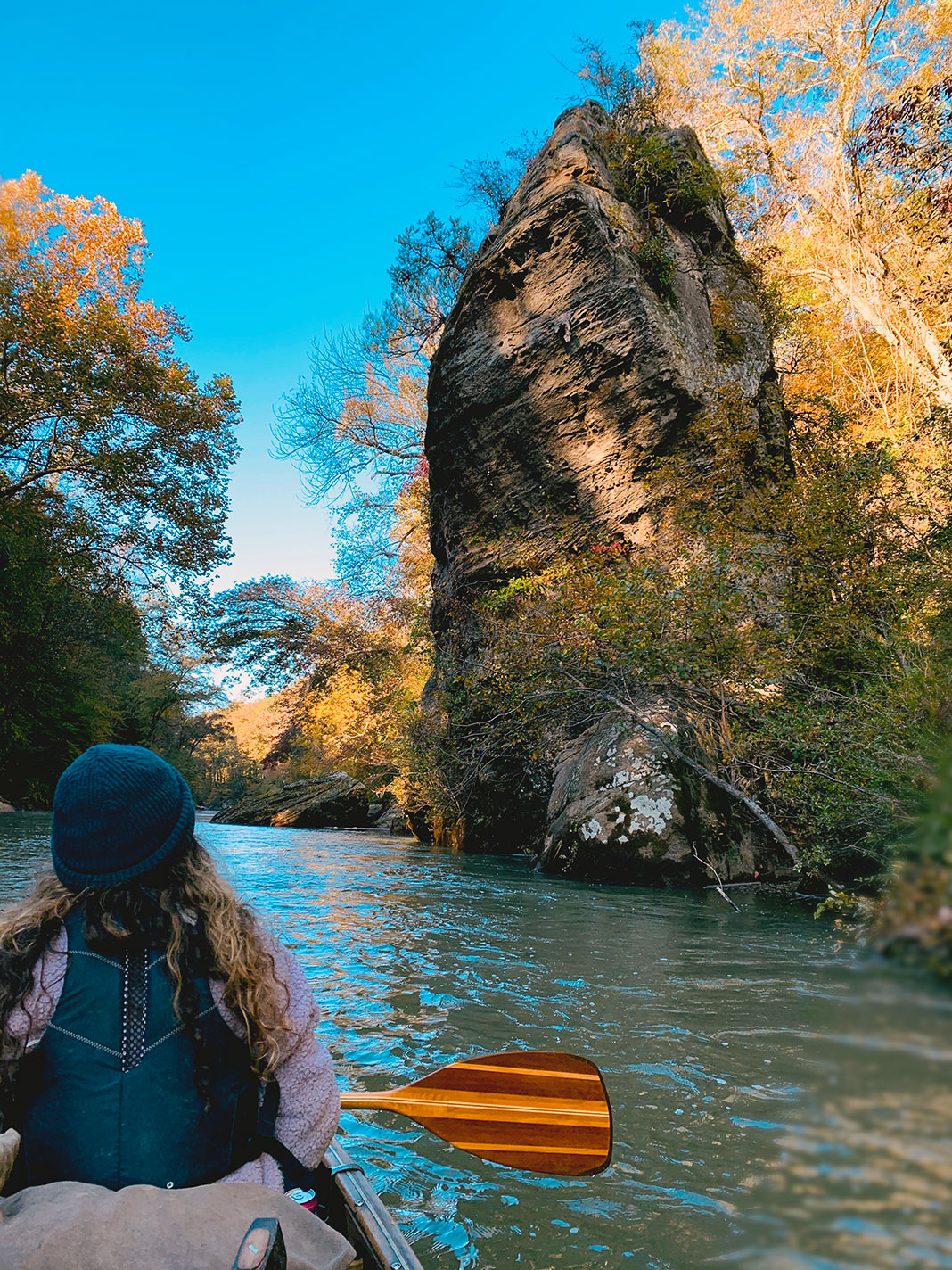
Woman sits in bow of canoe holding a paddle and looking up at a rock formation next to the river.
The Buttahatchee River is just one example of Alabama’s beautiful waterways. | Photo: Ben Leopard // @ben2thewild

Explore North Alabama’s Waterfall Trails to find more of the region’s most scenic falls. Just remember, the falls are most spectacular in late fall, winter and spring when water levels are high. Many waterfalls and streams are dry in summer and early fall, depending on rainfall.

2 Spectacular rivers

Alabama is home to more than 77,000 miles of rivers and streams that wind their way through its pristine parks and wilderness areas. The state also boasts one of the most experience-diverse water trails in America: the Alabama Scenic River Trail. Whether you are a whitewater enthusiast, naturalist, angler or just looking to enjoy a scenic float and a refreshing dip, there’s a spectacular North Alabama river for you.

The extraordinarily varied waters of the Tennessee River create some of the finest paddling opportunities in North Alabama. Observe thousands of waterbirds—including up to 14,000 sandhill cranes during winter months—and watch for alligator hatchlings in Wheeler National Wildlife Refuge. The nearby Flint River and Flint Creek Canoe Trail are a must for canoe and kayak campers, with gorgeous wild campsites right next to the river.

Escape the summer heat on Bear Creek in northwestern Alabama, which offers the state’s only recreational water release. On weekends, the release transforms the shallow creek into a series of easy rapids and swimming holes cradled by deep valleys with beautiful sandstone outcroppings and banks of flowering magnolia.

In northeastern Alabama, don’t miss Terrapin Creek for hours of swift-flowing and twisty fun—or even a multi-day adventure. Great access, campgrounds and outfitters make this tributary of the Coosa River a popular family float, with the option for more experienced boaters to challenge up to class III whitewater.

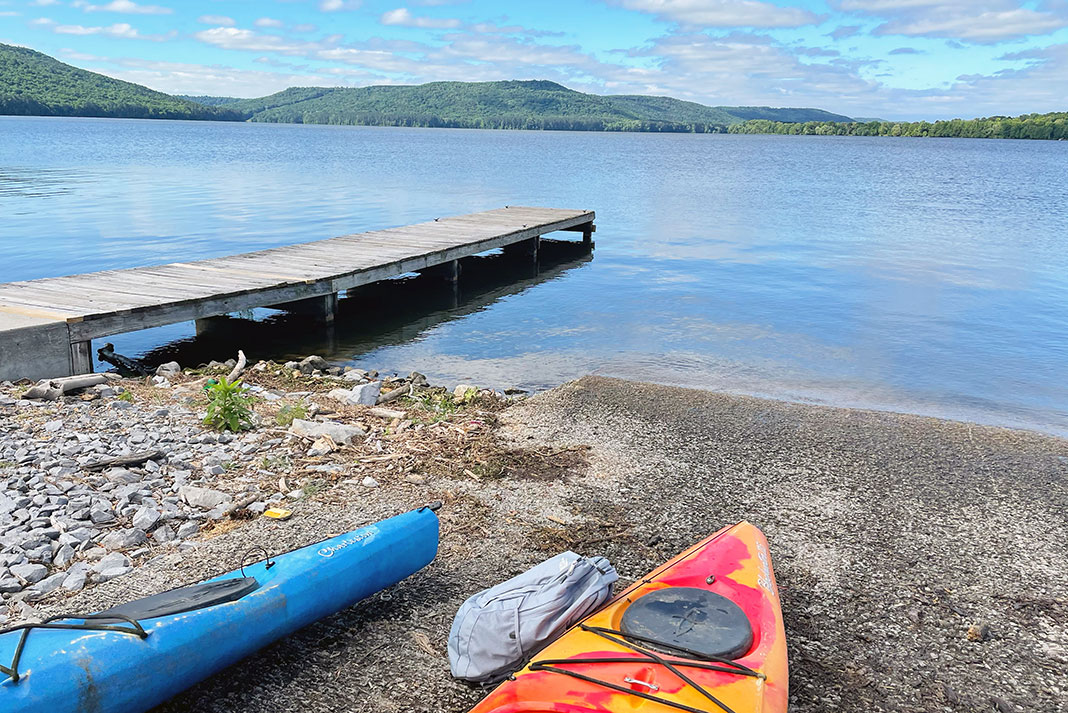
Two kayaks rest on a boat launch into a lake, with a dock stretching into the water and green, tree-covered hills in the background.
Explore Alabama’s largest lake, Guntersville Lake. | Photo: Desiree Keepper // @kayak_and_coffee

3 Beautiful lakes

Postcard-worthy sunsets, abundant wildlife and outstanding fishing are just some of the reasons you’ll love exploring North Alabama’s eight big and beautiful lakes.

Nestled in the Appalachian foothills with over 900 miles of shoreline and countless park and recreation facilities, local paddlers say Lake Guntersville boasts the best combination of flatwater paddling, nature watching and fishing in the Southeast. Little wonder you’ll find resorts and accommodations to suit every taste tucked along its shores. Farther west along the Tennessee River, wildlife enthusiasts and birders flock to the sprawling wildlife refuge at Wheeler Lake.

The deepest lake in Alabama, Lewis Smith Lake entices anglers and wilderness-lovers with its emerald-green waters, rolling hills, rocky bluffs and myriad bays. Smith Lake is also the state’s cleanest lake; it’s fed by the crystal-clear waters of the Sipsey Fork of the Black Warrior River, which flows out of the Sipsey Wilderness in nearby Bankhead National Forest.

Angler sitting in kayak holds paddle with one hand and a bass with his other.
Make the catch of a lifetime in North Alabama. | Photo: Brad Wiegmann

4 Incredible fishing

There’s no better place to plan your next paddle fishing adventure than North Alabama. With its mild climate, mineral-rich reservoirs, and abundant access to public launches and affordable lakefront accommodations, Alabama is a year-round destination for anglers.

a woman kayaking in front of green trees
North Alabama is an outdoor adventure playground. | Photo courtesy of: North Alabama

Pursue plentiful largemouth, smallmouth and spotted bass, or chase crappie and channel catfish in the lakes and sloughs of Bear Creek and the Tennessee River system. Enjoy explosive bass fishing on legendary Lake Guntersville or head to Weiss Lake, known as the “Crappie Capital of the World.” Whether you’re stalking lunker smallmouth on Pickwick Lake or looking to trick a trophy striper on Lewis Smith Lake, North Alabama’s seasoned fishing guides and outfitters can help put you on the fish.

Find outfitters, accommodations and guide services at North Alabama, or join the Alabama Bass Trail and discover even more of the state’s best bass fishing lakes.

5 It’s an outdoor adventure playground

Embrace adventure in the natural outdoor playground of North Alabama, where you can spend the day hiking, mountain biking, canoeing, kayaking, horseback riding, rock climbing, caving, rappelling, zip lining or enjoying a refreshing swim at a waterfall. Whether you are looking for an epic adventure, or just want to soak up the natural beauty, there is an unforgettable outdoor experience close at hand.

For a thrilling underground adventure, explore the miracle mile at Rickwood Caverns State Park, or see the stalagmite forest and more spectacular limestone formations at majestic Cathedral Caverns State Park. For rocks you can climb, scale the sandstone cliffs at Little River Canyon, Hurricane Creek Gorge in Cullman or Cherokee Rock Village in Leesburg. Then head to beautiful Bankhead National Forest to hike, camp, swim in waterfalls and paddle the Sipsey Fork—Alabama’s only national Wild & Scenic River.

Hungry for more? Lookout Mountain boasts the ultimate guided outdoor adventure sampler with True Adventure Sports.

Interior of a cavern, with cement walkway
Take a tour of Cathedral Caverns, one of North Alabama’s many exciting state parks. | Photo courtesy of: Outdoor Alabama

6 So many state parks

Alabama is home to 21 state parks, which protect some 48,000 acres of land and water from the mountains to the Gulf. You’ll find seven of the most beautiful state parks right here in North Alabama, offering every imaginable activity from hiking, picnicking, fishing and wildlife viewing to paddling, camping, climbing and exploring underground caverns.

Base yourself at Buck’s Pocket State Park or Lake Guntersville State Park to paddle and fish hidden tributaries tucked around the shores of this vast lake. You could easily spend a week exploring everything this 6,000-acre park has to offer, including an amazing zip line course, bald eagle viewing trips (in winter), camping, lodging and so much more.

Small, blue cabin stands behind trees.
Find cozy accommodations at Joe Wheeler State Park. | Photo courtesy of: Outdoor Alabama

DeSoto State Park is another must-visit for outdoor enthusiasts. Perched atop Lookout Mountain, the park boasts rushing waterfalls, fragrant wildflowers, kayaking, camping, rustic cabins, and more than 30 miles of hiking and biking trails. Monte Sano State Park and Joe Wheeler State Park offer two very different outdoor resort experiences: the former atop a stunning mountain, and the latter beside the shores of wildlife-rich Wheeler Lake.

For an experience you’ll never forget, head underground at Cathedral Caverns or Rickwood Caverns state parks. Discover vast chambers filled with mind-blowing limestone sculptures, blind cave fish, 260-million-year-old fossils and a frozen waterfall—just don’t forget to bring a light and your camera!

7 Amazing accommodations

North Alabama has an incredible variety of accommodations to suit every taste and budget. Whether you want to escape from the hustle and bustle for a few days at a mountain resort, are looking for a cozy cabin with a view or simply want to camp out under the stars, it is easy to find the perfect fit.

From primitive camping and RV sites to log cabins and luxury lodges, Alabama state parks offer the full range of accommodation experiences. You’ll also find many more options close to prime outdoor attractions. Discover charming mountain retreats, relaxing lakefront resorts and stunning vacation rentals with all the comforts of home.

Want to learn more about visiting North Alabama?

Stay inspired with the Unexpected Adventures in North Alabama podcast, which takes a deeper dive into the amazing places and things to do in North Alabama you might not know about. It’s available on Spotify, Amazon Music and just about anywhere you listen to podcasts.

North Alabama has a reputation for its pristine waterways and untouched wilderness; help preserve these irreplaceable natural treasures by traveling responsibly. The Leave No Trace Center for Outdoor Ethics outlines seven principles you can follow to ensure you are being a good steward of Alabama’s beautiful outdoors.


Recreational Kayak Review: Sun Dolphin Aruba 10

The Sun Dolphin Aruba 10 kayak is a discount-priced rec boat that’s made in the USA and conveniently available at big-box stores. Check out the Aruba 10 if you’re looking for a small, lightweight, beginner-friendly kayak that won’t break the bank.

Our Sun Dolphin Aruba 10 review provides all the details on this compact, easy to paddle kayak with minimal outfitting.

On the water with Sun Dolphin’s Aruba 10

Sun Dolphin Aruba 10 Specs
Length: 9’7” / 2.92 m
Width: 29” / 74 cm
Cockpit: 38.5” × 18.5” /
98 cm × 47 cm
Weight: 40 lbs / 18 kg
Capacity: 250 lbs / 113 kg
MSRP: $200–300

Performance

The paddling performance of the Sun Dolphin Aruba 10 kayak is similar to other small rec boats, with modest speed and outstanding maneuverability and stability. Don’t expect to win any races in this 10-foot, pumpkinseed-shaped kayak.

However, that compact size means the Sun Dolphin Aruba 10 kayak will turn on a dime; this great turning ability makes the Aruba 10 a great choice for slow-moving river paddling and exploring all the nooks and crannies of sheltered shorelines. The Sun Dolphin Aruba 10 weight limit is 250 pounds.

Market and demographics

The Sun Dolphin Aruba 10 kayak is clearly best for occasional paddlers and those looking for an introduction to kayaking at a reasonable price. The Aruba 10, and other recreational boats, are ideal for paddling on flatwater, smooth-flowing rivers and cottage lakes. Using the Sun Dolphin Aruba 10 as a fishing kayak is another great option, especially if you’re an angler on a tight budget looking for an easy way to access out-of-the-way fishing holes.

At this price point don’t expect all the bells and whistles of a premium angling kayak, but the Sun Dolphin Aruba 10 performs admirably and can be easily modified with accessories and custom DIY upgrades to improve its performance and comfort.

Comfort

Perhaps the greatest downside of the Sun Dolphin Aruba 10 kayak is its bare-bones outfitting, which some testers identified as lacking comfort. The seat and thigh supports feature minimal padding (handy users can add custom closed-cell foam pads to both areas using a contact adhesive) and some reviewers indicated that the foot rests were hard to reach.

The discontinued Sun Dolphin Aruba 10 SS kayak was essentially the same boat but with enhanced comfort features. If out-of-the-box comfort is important, check out the longer Sun Dolphin Aruba 12 SS kayak.

About the Sun Dolphin Aruba 10

Design

Design features and details

The first thing you notice when paddling the Sun Dolphin Aruba 10 kayak is a reassuring sense of stability, owing to its flat bottom. Reasonably sharp bow and stern entry lines allow the Aruba 10 to slice through the water with minimal noise, making it a good choice for observing wildlife on sheltered water.

The symmetrical design allows it to handle predictably for beginners. The large cockpit is easy to enter and exit for most paddlers; the Sun Dolphin Aruba 10 kayak strikes a good balance between achieving the water-shedding security of a decked kayak, without feeling confining for first-time paddlers.

Material and construction

The Sun Dolphin Aruba 10 kayak is made in the USA of Fortiflex high-density polyethylene, a durable plastic material that’s highly resistant to impacts, abrasion and UV damage. This type of rotomolded plastic is perfect for those looking for a no-maintenance kayak that can be left outdoors during the paddling season.

The material flexes to absorb impacts and regains its shape after hard hits. With such great durability you may wonder how much does a Sun Dolphin Aruba 10 kayak weigh? The specs indicate a very reasonable 40 pounds, making it a good choice for car-topping.

Sun Dolphin Aruba 10 kayak accessories and outfitting

The main advantage of a sit-inside kayak like the Sun Dolphin Aruba 10 compared to a sit-on-top kayak is the ability to add a sprayskirt for greater paddling comfort in cool conditions. A Sun Dolphin kayak Aruba 10 sprayskirt is available from Extent Paddle Gear and other accessory manufacturers. A nylon sprayskirt offers shelter from the sun, rain, cold weather and spray, yet also remains comfortable in warm conditions and is safe and easy to enter and exit.

A similar accessory is the Sun Dolphin Aruba 10 kayak cockpit cover, which keeps moisture and creepy-crawlies out of the cockpit when your kayak is in transportation or storage.

Common replacement parts, such as the Sun Dolphin Aruba 10 drain plug, are available from the manufacturer. There are many easy upgrade options when it comes to installing a seat cushion, ranging from simple DIY self-adhesive kayak seat pads to using a removable piece of closed-cell foam, such as a garden kneeling mat.

Be sure to test any modifications in a controlled setting in case adding padding to the seat changes the center of balance and stability of your kayak. The following section covers popular Sun Dolphin Aruba 10 kayak modifications.

Sun Dolphin Aruba 10 ft kayak modifications

Implementing some quick and easy modifications will improve your paddling experience on the Sun Dolphin Aruba 10. Kayak anglers love to customize their rides and the basic  Aruba 10 offers a blank canvas to design your perfect fishing kayak. Popular (and practical) Sun Dolphin Aruba 10 fishing mods include installing aftermarket rod holders and upgrading the standard deck bungees to improve on-deck storage.

A sit-inside kayak like the Sun Dolphin Aruba 10 offers less deck space for fishing mods than a comparable-length sit-on-top, but the large cockpit provides space to install small tackle holders, drink holders and other convenient accessories.

Another great modification is a Sun Dolphin Aruba 10 seat upgrade. Your easiest solution to add padding to the basic plastic seat is to cut and shape a custom cushion from closed-cell foam, which can be removed from the kayak. Depending on your body type, a simple foam gardening pad is another good seat upgrade. You may also use contact adhesive to glue the foam into the seat, but be aware that this may void the kayak’s warranty.

Check out paddlesport retailers for other seat upgrades, such as self-adhesive pads and aftermarket back-support bands.

Wear A Life Jacket
  • Everyone, even strong swimmers, needs to wear a life jacket at all times when on the water. It is extremely difficult to put a life jacket on once you fall into the water. Even a light wind can blow any paddlecraft away from you, faster than you can swim.
  • Always wear a USCG-approved Level 70 or Type III life jacket designed for paddling.

Warranty

The Sun Dolphin Aruba 10 comes with a limited lifetime warranty for the original owner that covers manufacturing defects. You must register your new Aruba 10 kayak with the manufacturer online within 30 days of purchase to validate the warranty.

Storage

Dry storage is a key attribute of sit-inside kayaks like the Sun Dolphin Aruba 10 kayak. The Aruba 10 features a stern storage compartment that affords plenty of room for day gear and a picnic lunch. Note that the hatch is not separated from the rest of the hull by a bulkhead (or interior wall) and is therefore not watertight. Be sure to pack your gear in sturdy dry bags to protect it from any water that may trickle into the storage area from the kayak’s cockpit.

How it compares

The Sun Dolphin Aruba 10 isn’t your only option when it comes to buying a beginner kayak. There’s plenty of competition in the area of recreational kayaks. Here’s how the Sun Dolphin Aruba 10 compares with other popular boats.

  • Pelican Trailblazer 100 NXT kayak vs Sun Dolphin Aruba 10

    The Pelican Trailblazer 100 NXT kayak is available exclusively in the United States. It features similar specs to the Sun Dolphin Aruba 10 kayak, with a slightly longer overall length and one inch narrower. Unlike the Aruba 10, the Trailblazer 100 NXT has an open storage area on the back deck (compared to the Sun Dolphin’s hatch-covered compartment).

    The Pelican Trailblazer 100 NXT is about double the price and comes with more comfortable outfitting, including an ergonomic padded seat. Choose the Trailblazer 100 NXT over the Aruba 10 if you are serious about spending time on the water and want a kayak with all-day comfort.

  • Pelican Argo 100 vs Sun Dolphin Aruba 10

    The Pelican Argo 100 is another kayak with specifications similar to the Sun Dolphin Aruba 10. The Argo 100 has the same overall dimensions as the Pelican Trailblazer 100 NXT, with a weight limit of 275 pounds (compared to the Aruba 10’s weight limit of 250 pounds). The Argo 100 boasts comfortable seating, hatch-covered storage in the bow and an open storage well in the stern. It’s only available in U.S. stores.

  • Sun Dolphin Aruba 10 vs Phoenix

    If you’re looking for a bit more length (and glide while paddling) and a more comfortable seat, consider the Sun Dolphin Phoenix. This recreational kayak measures 10 feet, four inches long and includes better outfitting than the Sun Dolphin Aruba 10. It’s also slightly wider at 32 inches and has a rubber hatch for storage in the stern of the boat. The flat bottom and hard-chine design (“chines” describe the area where the sides of the kayak meet the bottom) makes it maneuverable yet also stable.

  • Sun Dolphin Aruba 10 vs Aruba 10 SS

    The Sun Dolphin Aruba 10 SS is the upscale version of the base model Aruba 10. Key additions include a removable stern deck pod that provides dry storage and a more supportive back rest. Among a few other creature comforts you’ll also find an electronics console on the front deck. The Aruba 10 SS weighs in at 44 pounds, compared to the 40-pound Aruba 10 kayak.

  • Sun Dolphin Trek vs Aruba 10

    The Sun Dolphin Trek has the exact same specifications, design features and paddling performance as the Sun Dolphin Aruba 10, only it is available at a different array of big-box retailers in the United States.

  • Sun Dolphin Aruba 10 vs Pelican Summit 100

    The Pelican Summit 100 is another good choice for a budget-priced, entry-level recreational kayak. Like the Sun Dolphin Aruba 10, it’s easy to enter and exit and extremely stable, meant for paddling in calm, sheltered-water areas. The Summit 100 has an open stern deck storage well and benefits from Pelican’s twin-arched hull, which makes it more efficient to paddle (by reducing drag) and lighter weight at 36 pounds.

    The more advanced design and upgraded outfitting mean the Pelican Summit 100 is considerably more expensive than the Sun Dolphin Aruba 10. Choose the Summit 100 if you are serious about spending time on the water and want a kayak with all-day comfort.

  • Sun Dolphin Aruba 10 vs Lifetime Lancer

    Another kayak comparable to the Sun Dolphin Aruba 10 is the Lifetime Lancer. The boats’ specs are nearly identical, with the Lifetime Lancer affording space for a slightly larger paddler (with a maximum capacity of 275 pounds). Check out the Lifetime Lancer if you’re looking for upgraded outfitting and comfort features, including a nicely padded seat, right out of the box.

  • Sun Dolphin Aruba 10 vs 12

    In general, a longer kayak will glide better than a shorter one—so check out the Sun Dolphin Aruba 12 kayak if you’re looking for a bit more efficiency on the water. Of course, all things being equal, a 12-foot kayak like the Sun Dolphin Aruba 12 has greater carrying capacity: in this case, a weight limit of 395 pounds (versus 250 pounds for the Aruba 10).

    The Sun Dolphin Aruba 12 is simply a more advanced kayak than the Aruba 10, with enough space to pack gear and food for an overnight trip and better overall paddling performance and upgraded outfitting. Check it out if you plan to stick with kayaking and go beyond short outings at the beach.

Stay Clear Of All Other Vessels
  • Know the “Rules of the Road” Navigation Rules that govern all boat traffic and stay out of the way of all other vessels.
  • Never assume that power boaters can see you. Avoid high-traffic areas whenever possible. Proceed with caution when you can’t avoid paddling near boats. Dress for visibility.
  • Sun Dolphin Aruba 8 vs 10

    At 27 pounds, you’re hard pressed to find a lighter sit-inside kayak than the Sun Dolphin Aruba 8. This potato-shaped kayak is ultra stable and maneuverable—even easier to turn than the Sun Dolphin Aruba 10. More depth and width means it also has a slightly higher weight limit. However, at eight feet in length, the 8 is slower than the Aruba 10 and does not come with a rear storage compartment.

Where to buy Sun Dolphin Aruba 10

The Sun Dolphin Aruba 10 kayak is widely distributed at big box stores and online retail outlets across North America. The following search terms will help you find a kayak at a great price: Sun Dolphin Aruba 10 kayak Walmart; Sun Dolphin Aruba 10 Amazon; and Sun Dolphin Aruba 10 Dunham’s Sports.

In Canada, you can buy a new Sun Dolphin Aruba 10 kayak at Canadian Tire. Of course, such wide distribution means used Sun Dolphin Aruba 10 kayaks are abundant on platforms like Craigslist, Facebook Marketplace and Kijiji.

Pros and cons

Pros

  • Cheap, entry-level boat that will allow you to paddle gentle rivers and quiet lakes
  • Great stability
  • Large cockpit that’s easy to enter and exit
  • Compact hull that beginners will find comfortable to handle on the water
  • Solid choice for anglers with a tight budget

Cons

  • Basic seat that lacks padding
  • No thigh supports
  • No foot rests

Related articles

Sun Dolphin kayak reviews

Walmart kayak reviews

Carry A Waterproof VHF Radio, Use Your Phone Only As A Backup
  • A handheld VHF marine band radio allows you to communicate with the Coast Guard and other boat traffic. Use Channel 16 only for hailing and emergencies. The radio should be waterproof, because it is virtually certain to get wet.
  • A cell phone, even if in a waterproof case or sealable bag, might not work, so don’t rely on it as the primary means of emergency communication.

Beginner recreational kayak reviews

SEE ALL KAYAK REVIEWS


9 Reasons Wakasa Bay Is The Best Place To Kayak In Japan

mountaintop view of the Wakasa Bay area of Honshu Island, Japan
Feature photo: Nozomi Deguchi

Taking a look at Japan on Google Maps, you have to zoom way in—then zoom in again before the town of Wakasa will appear on your screen. Fitting, considering a visit to this dot on the map will give you a more detailed and personal look at Japanese life outside the city centers. It’s no secret that more authentic experiences are to be had the more off the beaten path you go. And that’s exactly what’s on offer in Wakasa, tucked in an unassuming bay within Wakasa Bay on the Sea of Japan.

Huddled along the shore are five interconnected lakes: the Mikata Five Lakes. These, along with the intricate coastline, gave birth to the culture of traveling by boat in the Wakasa area. The few remaining boathouses show how people lived, relying on their vessels to carry them to their farmland. Some of these boathouses were in use as recently as 40 years ago, though there’s evidence of humans inhabiting the area since the Jōmon period (14,000–300 BCE). It’s only natural, then, to take to the water while you are here—to follow in the wake of those who shaped the area, and see the landscape from their perspective.

Plus it’s a dazzling place to explore. Mikata Five Lakes is the collective name for Lake Mikata, Suigetsu, Suga, Kugushi and Hiruga. Each of the lakes have different depths and salinities, creating different color tones and earning them the nickname the Five-Color Lakes. Picture sparkling gemstones nestled among verdant, rolling hills. Now picture yourself skimming across them, paddle in hand.

Paddling tours in the area are offered by Asoboya, a company that runs out of the Pamco Hotel.

Tours are held on Wakasa Bay and the Mikata Five Lakes, with a variety of experiences available on both, depending on season, time of day and your preferred trip length. Choose between endless horizon or 360-degree mountains, the unpredictability of coastal environments or the security of sheltered waters, true seclusion or cultural immersion. And that’s just the beginning.

What other experiences await on these paddling excursions? Find out why you can’t miss kayaking in Wakasa below.

[ View all paddling adventures in Japan in the Paddling Trip Guide ]

You can get underwater views on a clear kayak

Wakasa Bay is home to some of the clearest waters along the Sea of Japan coast. Get the full experience of the area not just by looking around you, but by peering into the depths. On a clear kayak you’ll feel like you are truly at one with the water, and will be able to gaze below you at the vibrant marine life.

people on a clear kayak paddling tour in Japan look at scenery
A clear kayak is the best way to enjoy some of the clearest waters along the Sea of Japan coast. | Photo: Courtesy of Asoboya

Asoboya’s Clear Kayak Tours are three hours in length and run from the end of April until the end of September. Also on the itinerary are a stop at a secluded beach, snorkeling and underwater fishing—a unique kind of fishing where participants wear snorkeling gear and hold the fishing line with their hand, the former allowing them to see the fish interacting with their bait and the latter enabling them to easily manipulate their tackle in response.

Where to stay

Stay onsite at the Pamco hotel for easy access to their sea kayaking tours.

Where to eat

Visit the Drive-In Yoshida for their squid bowl, a popular dish in the Wakasa area.

How to get there

It takes 3.5 hours to get to Wakasa from Tokyo. The Shinkansen, or “bullet train,” is scheduled to be extended to the town of Fukui, an hour up the coast from Wakasa, in 2025. From Osaka it takes 1.5 hours by train. From Kyoto it takes about an hour by train.

Paddling season

The paddling season is typically from April to November.

You can paddle among the cherry blossoms

Each spring, millions of people from around the world travel to Japan with the express purpose of viewing the cherry blossoms in bloom—an activity that’s referred to as hanami. There are more than 600 places throughout the country where you can view cherry blossoms, with most people descending on parks, temples and shrines in the big cities of Tokyo, Nagoya and Osaka. If you want to escape the crowds, however, and experience the beauty of cherry blossoms in a unique way, take a kayak tour on the Mikata Five Lakes.

Cherry Blossom Kayak Tours typically run in April, but of course depend on when the cherry blossoms are in bloom. They are two hours in length and involve a quiet paddle around Lake Suigetsu—the largest of the lakes—as well as Suga Lake and Kugushi Lake. Take the tour in March for an equally beautiful experience. More than 80,000 plum trees surround the lakes and bloom in red and white each March, peppering the area in a sweet fragrance. Either tour will allow you to drift quietly beneath colorful blossoms, enhancing the natural beauty of the area.

For an even rarer experience, take a Night Cherry Blossom Kayak Tour. These tours only run for eight days a year, typically at the beginning of April. You’ll paddle across the calm waters of Lake Suigetsu in the dark, taking in the magical view of illuminated cherry blossom trees along shore.

You can drink tea on a secluded beach

While many kayak tours like to pack in the sights and keep a fast pace, Asoboya believes in giving you space to enjoy the moment. Yes, you’ll cover distance and see some spectacular places along the Wakasa Bay coast, but taking a pause and enjoying the view is built into the itinerary. Partway through the paddle, the group will stop at a secluded beach. Here, your guide will make tea over an open fire or on a campstove for you to sip while taking in the surroundings.

This experience is available on any of the summer, daytime tours Asoboya offers on Wakasa Bay.

You can stargaze in the middle of a lake

Truly amazing stargazing is dependent on two things: a lack of buildings and trees so you can see as much of the sky as possible, and a lack of light pollution so the stars in the sky you do see shine all the more clearly. Taking a Night Kayak Tour on Lake Suigetsu meets both those conditions.

a clear kayak lit up with LED lights in Wakasa Bay, Japan
Take a night kayak tour on Lake Suigetsu for some truly amazing stargazing. | Photo: Courtesy of Asoboya

Paddle clear kayaks lit up with colorful LED lights into the middle of the lake; once there, turn the lights off and tilt your head back. Being away from the shore will give you a totally unobscured view of the night sky and likewise being situated so far outside major cities will make light pollution minimal. What follows is a display of millions of stars twinkling in the velvety, black sky—gaze long enough and you just might see some shooting stars.

Night tours are held on new moon and full moon days—the former providing the best stargazing because there will be no light from the moon blocking out the stars, the latter providing the best paddling as the entire lake will be visible under the light of the moon. Night tours can be arranged on other days as well, upon inquiry.

You can paddle through rock tunnels and visit sea caves

If you aren’t on the lookout as you paddle along the cliffs that line Wakasa Bay, you might miss them. Hidden in the cliff faces are entrances to rock tunnels and caves, carved out by the waves over thousands of years. The rock walls have intricate and unique designs, sculpted by Mother Nature herself. You’ll have the opportunity to paddle inside and through these caves and tunnels while on either of the three- or five-hour kayak tours on Wakasa Bay.

man jumps from a cliff while on a kayaking tour in Wakasa Bay, Japan
Feel the exhilaration of jumping off a cliff high above the water of Wakasa Bay. | Photo: Kazutoshi Hasegawa/HASHU Co., Ltd.

You can go cliff-jumping

Feel the exhilaration of jumping off a cliff high above the water while on a sea kayak tour on Wakasa Bay. Partway through the three- or five-hour tour, you’ll take pause for the chance to scale the rocky shore and cannonball (or whatever aerial technique you so choose) into the crystalline, refreshing waters below.

You can paddle through an autumn wonderland

Fall in Wakasa is a magical time of year, when the leaves change to vibrant reds, yellows and oranges, turning the hillsides into a colorful display that reflects in the calm waters of the Mikata Five Lakes. The color change occurs throughout November and December, making for a beautiful backdrop to a kayaking trip. Take the two-hour kayak tour on Lake Suigetsu, which includes a stint on the Urami River and a break for tea along the shore, the perfect way to warm up on a crisp autumn day.

Explore a jungle

Enter into a world apart when you paddle the Urami River, a waterway connecting lakes Suigetsu and Kugushi. A canopy of low-hanging trees and vines overhead and a narrow path between the banks make paddling the river feel like exploring an ancient jungle. No wonder it’s sometimes referred to as the Wakasa Mangrove. You’ll have the opportunity to paddle the Urami River while on a three-hour kayaking tour that also includes time on the lakes on either end, and occasionally Lake Suga as well.

You can explore an area rich in adventure, history and culture

Miyake Hikouemon Brewery

Be sure to stop in at the Miyake Hikouemon Brewery, a sake brewery established 300 years ago. You’ll be able to talk to the 11th-generation owners while sipping on their refined beverage.

Varve Museum

Lake Suigetsu isn’t just a pretty lake—far below the surface is a natural phenomenon that’s of global importance. Sediment that accumulated over 70,000 years formed stripe-like patterns—called varves—on the lake floor. These varves are used to measure the age of other archeological and geological finds, as well as provide clues as to how the climate and environment have changed over time. At the Varve Museum, the 70,000-year-old, 45-meter varve—the world’s longest—is exhibited as stained glass. You can also view other exhibits here that explain the dating process and formation of the varves.

Waterfall climbing

Looking for an adventurous experience that’s unique to Japan? Sawanobori, or “stream climbing” or “shower climbing,” involves climbing and descending waterfalls. Yes, you’re going to get wet. PLUSWild offers tours on some of the most beautiful and wild waterfalls in Japan, giving you the chance to be fully immersed in their majesty.

Suishohama beach in Wakasa Bay, Japan
Wakasa Bay is home to some of the best beaches in Japan. | Photo: Tichakunda Gabi // @tichakundagabi

Surfing

Never tried surfing? Take lessons at Familiar Beach Side Village on Wakasa Bay. They’ll provide you with a two-hour experience. Included in the price are your wetsuit and surfboard, as well as lunch and hot shower after your session.

Beaches

Wakasa Bay is home to some of the best beaches in Japan, the most famous being Wakasa Wada Beach in Takahama. Suishohama Beach in Mihama is also well-known for its clear waters. However, any of the beaches along Wakasa Bay will provide you with crystal-clear waters, idyllic stretches of sand and beautiful views of the hilly shoreline.

Rainbow Line Summit Park

The best view over the Mikata Five Lakes is found at Rainbow Line Summit Park. The Rainbow Line is an 11-kilometer toll road spanning from Mihama to Wakasa, and leading to the base of the cable car that will take you up to Summit Park. From the top, you’ll be able to take in the incredible view, and appreciate why the Mikata Five Lakes are recognized as a wetland of global importance under the Ramsar Convention.


12 Stupidest Questions Asked By Canoe Trippers

asking to play with a brown bear cub, pictured, is one of the stupidest canoe tripping questions
Cute, but not to be trifled with. | Feature photo: Janko Ferlic/Pexels

Outfitters have to be truly patient, knowledgeable and sometimes even psychic to answer their clients’ questions. It turns out there may be some stupid questions after all. Kevin Callan and Conor Mihell compile the best of the worst, the stupidest questions outfitters have heard about canoe tripping.


12 stupidest canoe tripping questions

1 Paging M.C. Escher

“Are there any loops that are
downstream the whole way?”

An easier journey is an understandable goal for novice canoe-trippers, but outfitters can’t bend the laws of physics. If you want a downstream paddle, look into a linear route with shuttle service to take you back to your vehicle.


person adjusts the declination a compass
Never get lost again with these essential navigation skills. | Photo: Virginia Marshall

2 Deep thoughts

“How will I know if I’m lost?”

The problem is, at least at first, you don’t. Being lost often presents itself as a nagging suspicion, followed by more concrete signs like missed landmarks, unexpected terrain and sometimes even circling back on the same location. To avoid getting lost, your best bet is to learn how to effectively use a map and compass.


3 Into the unknown

“Are there any undiscovered
lakes in the park?”

On a canoe trip, the important thing is that you are discovering the lakes for the first time. But no judgment if you need to invent some fantastic voyageur scenario to motivate yourself to get through the next portage. Speaking of which…


4 An ear for languages

“What’s a portage called in French?”

Sometimes you know more than you think you do. Let’s leave it at that.


5 Superior intellect

“Does the lake have a name?”

—A park visitor asks while pointing to Lake
Superior, the largest freshwater lake in the world.

It really pays to do some basic research about a body of water before you attempt to paddle it. Setting aside safety concerns, at the very least you’ll avoid embarrassing yourself in front of the locals.

[ Plan your next Great Lakes canoeing adventure with the Paddling Trip Guide ]

Black Deer Lying on Plants Near Green Trees during Daytime
Wildlife viewing always involves an element of luck. | Photo: Pexels

6 No guarantees

“Is there any sort of refund
if we don’t see a moose?”

Wild animals don’t plan their days according to our schedule, so even the most experienced guide can’t guarantee what you’ll see. But it is just this timeless nature that makes it so worthwhile to travel through the backcountry.


7 Bear necessities

“Do the pins on the map
mark the best spots to camp?”

—A park visitor asks about Quetico Provincial
Park’s map of bear encounters.

Some wildlife encounters are better off avoided for everyone’s sake. Canoe-trippers should know how to bear-proof their campsites before hitting the backcountry. Most outfitters and parks post information on bear safety (as evidenced above), so make sure you consult these resources where available.


8 Eye of the beholder

“How far do we have to canoe from the base in order to reach scenic surroundings?”

A big part of finding beauty in the world around us is taking the time to look. In everyday life we’re often in a rush, trying to achieve as much as possible in a finite number of hours. There are a finite number of hours on the river too, but you’ll have a more memorable trip if you let the experience come to you.


9 Word of mouth

“We’re interested in a place someone told us about. Perhaps you could tell me a little more about it. The only thing I know is that it’s an island, and to get to it or near it, we will have to pass under either a bridge or a culvert.”

This is like asking an Australian friend, “Do you know ‘Dave’ from Australia?” The world is full of places to paddle, just like Australia is full of Daves, so the onus is on you to pick one. Otherwise, you can ask a different someone (an outfitter) to recommend a place that they actually know exists.

a canoe tripper asks stupid questions
It turns out there may be some stupid questions after all. | Illustration: Lorenzo Del Bianco

10 Training wheels

“Would it be useful to have wheels for the canoe, or are the trails too rugged for a wheeled canoe?”

This one isn’t as stupid as it sounds, because a canoe cart can be indispensable on long-distance trips like Mike Ranta’s cross-Canada canoe expeditions. But for the average canoe trip, you better gird your loins and get ready to portage that canoe. It builds character.


Photo by Janko Ferlic from Pexels
Cute, but not to be trifled with. | Feature photo: Janko Ferlic/Pexels

11 Bear necessities, part two

“My daughter really wants to cuddle with a baby bear. Where is a good place to find one?”

It’s hard to believe that this line of questioning actually occurs, but social media and news reports are full of evidence to the contrary. At this point, maybe your canoe rental should be cancelled.


12 The longest portage

“I am heading to the Western Uplands Backpacking Trail and need to know how much it is to rent a light two-person canoe for seven days?”

Just like you can’t hike across a watery lake without scuba gear, you can’t canoe a backpacking trail. Unless you really love to portage, that is—like the brothers who carried their canoes to Mount Everest. For the rest of us, the presence of water is the first prerequisite for a canoe trip. Do we really need to say this?

Paddling Magazine Issue 65 | Fall 2021

This article originally appeared in Paddling Magazine Issue 65. Subscribe to Paddling Magazine’s print and digital editions here, or download the Paddling Magazine app and browse the digital archives here.


Cute, but not to be trifled with. | Feature photo: Janko Ferlic/Pexels