Home Blog Page 107

What To Do When There’s Nothing to Sell

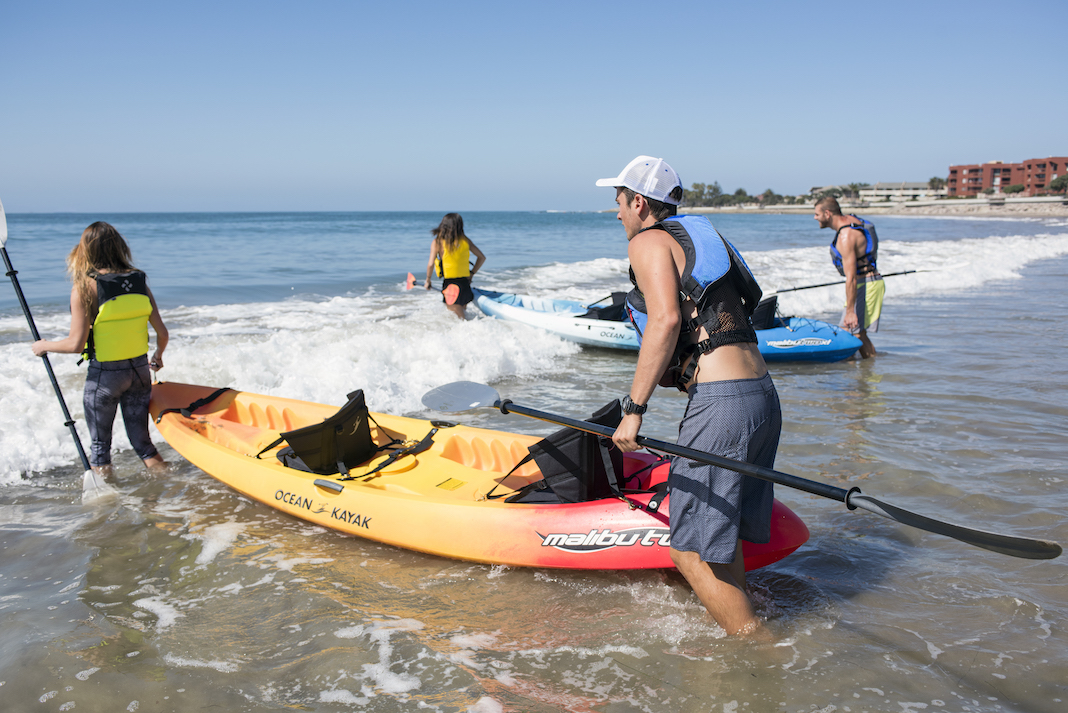
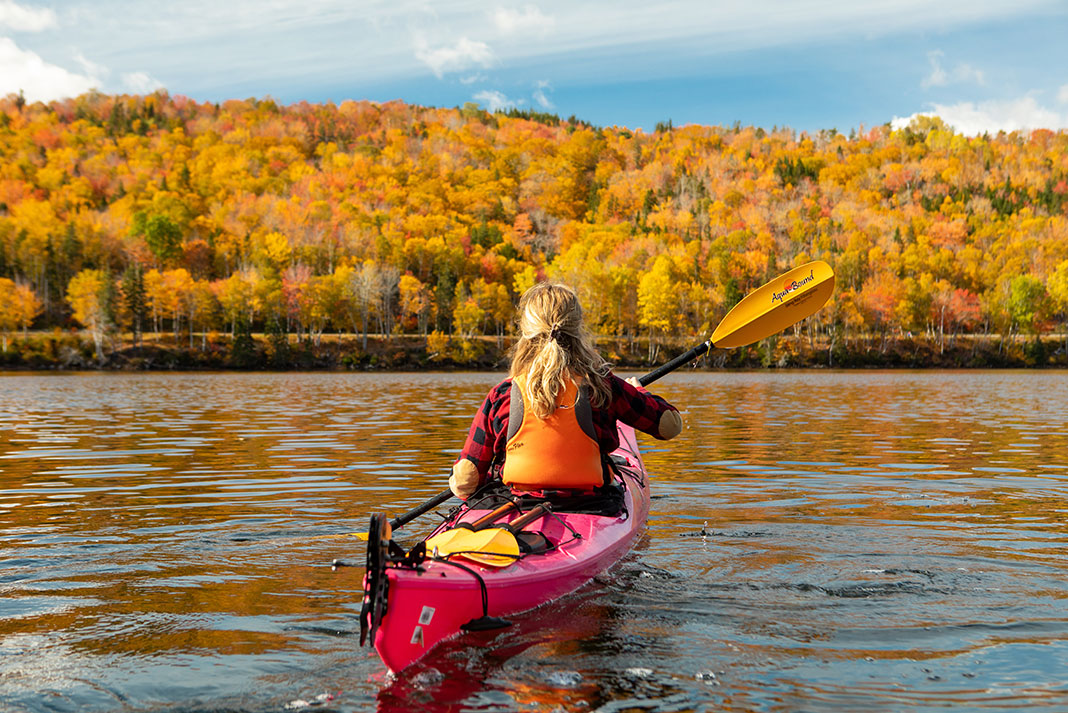
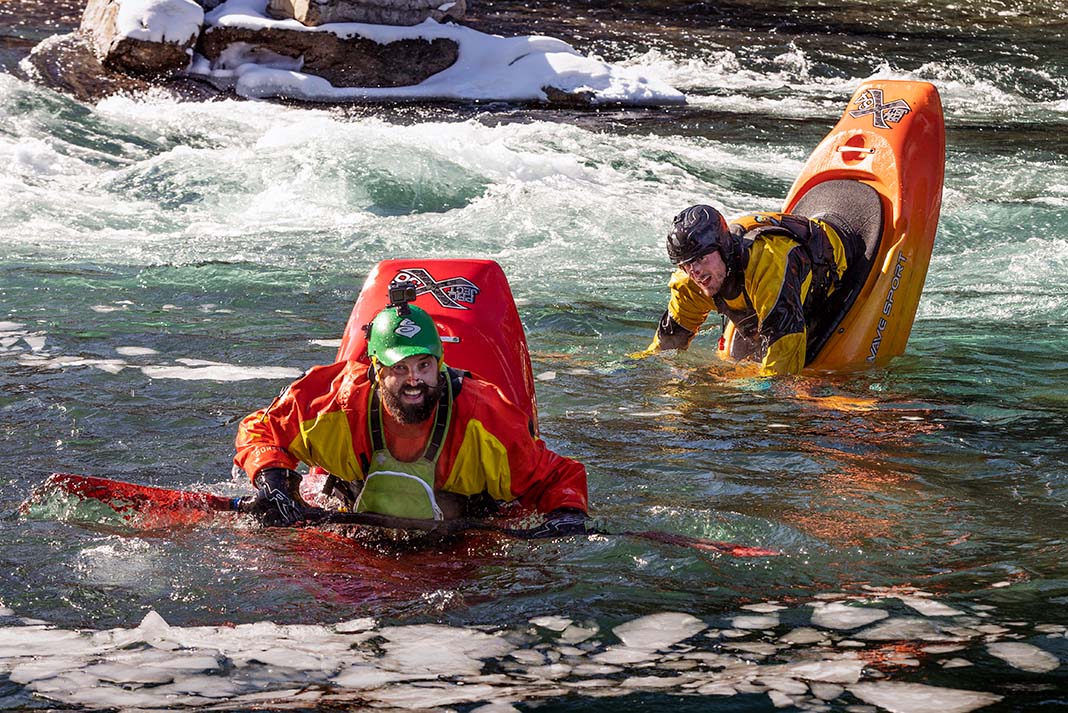
Photo: The Complete Paddler

This pandemic has turned the retail game on its head.

Used to be, you waited for customers in a store full of stuff. Now you wait for stuff in a store full of customers. So, what do you do when there’s nothing to sell?

Humans are adaptable creatures, and retail humans more so than most. So naturally they – you – are coming up with creative ways to pass the weeks between inventory shipments.

When he sold out of life jackets, Rob Porter at Just Liquid Sports in Cranbrook, British Columbia, started teaching swimming lessons. Wait, he was just joking about that. The real problem for Porter was finding staff for his mostly-empty store.

“It seems most young enthusiasts wanted to ride the CERB [Canada Emergency Response Benefit] payroll and enjoy their summers,” he says. “To all those people, we wish them luck when applying for jobs in the future.”

Generous unemployment benefits have slowed staffing in the States as well, both on the retail and manufacturing side. It’s one reason all those store shelves are empty—still. Andy Fraden, owner of All Wet Sports in Jacksonville, Florida, says getting inventory this season has been even harder than it was at the height of the pandemic last summer.

“Last year was lots of movement but we found a way to keep stock. This year what little was replaced by wholesalers and distributors is long gone.”

“Last year was lots of movement but we found a way to keep stock. This year what little was replaced by wholesalers and distributors is long gone,” he says.

“It’s crazy! So this year we just sell what we got! Need any whistles?”

Photo: The Complete Paddler

If only everyone was lucky enough to have a full supply of $3 plastic whistles. Judging by mid-pandemic photos from inside many retailers across North America, the smart play might have been turning those empty store aisles into a bowling alley. So far we haven’t heard of any retailers being quite that resourceful.

Industrious retailers have found ways to keep busy, however. Simon Coward and his management team at Aquabatics Calgary got on the horn with new suppliers from around North America and the world, hunting for inventory. “We created new relationships with manufacturers we hadn’t worked with, and that is proving to be really valuable in the long run,” he said.

That may not be as fun as an inter-staff bowling tournament on aisle 3, but it’s probably better for the bottom line. Coward’s crew also logged more river time than usual, including staff training to build on-water skills and get familiar with whatever products were still on
the shelves. The level of in-house Croakie expertise soared.

Aquabatics also implemented an entirely new inventory management system and integrated it with the website. “We produced content—videos, how-to’s, blog posts, where to’s. We leaned into Paddling Maps like crazy,” Coward says. “It is now paying off with huge increases in organic traffic and building our visibility on social media channels.”

That’s perfect, because social media is where plenty of paddling store employees are hanging out these days. After all, you can’t play Solitaire on a cash register. Can you?

Paddling Business 2021 CoverThis article was first published in the 2022 issue of Paddling Business. Inside you’ll find the year’s hottest gear for canoeing, kayaking, whitewater and paddleboarding. Plus: Industry leaders on surviving COVID, the dirty little secret of pro deals, brand consolidation and more. READ IT NOW »


Photo: The Complete Paddler


Fishing Kayak Review: Perception Pescador 12

Man paddling green and grey sit-on-top fishing kayak
Photo: Courtesy Perception Kayaks

There are many good reasons the Perception Pescador 12 sit-on-top fishing kayak is a fan favorite. First, at only 64 pounds with seat, the Perception Pescador 12 fishing kayak is lighter than almost every boat in its class. Even better, the weight savings come from a paired down hull that isn’t light on form or function.

Second, pedigree. For over 40 years, Perception has been a leader in getting paddlers on the water. The company is staffed by passionate kayakers who design, mold and hand-assemble every Perception kayak in Greenville, South Carolina. With paddling experience running through the company, Perception’s team knows the personal touches that make kayaking fun for paddlers of all experience levels.

Third, a proven track record. Sit-on-top fishing kayak connoisseurs will know the Perception Pescador 12.0 kayak as the original Wilderness Systems Tarpon 120, released around 2008. Today, Wilderness Systems and Perception are both owned by Confluence Outdoor. When the much-loved Tarpon line received an update, the original mold was sent over to Perception to continue as the Pescador 12.

Finally, value. The Perception Pescador 12 is an affordable, versatile fishing kayak that offers many of the premium features of more expensive boats, for less than $800 USD. This Perception Pescador 12.0 kayak review takes a deep dive into the performance, handling and features that make this such a popular boat for so many different anglers.

On the water with the Perception Pescador 12

Perception Pescador 12 Specs
Length: 12’0” / 3.65 m
Width: 32.5” / 82 cm
Weight: 64 lbs / 29 kg
Capacity: 375 lbs / 170 kg
MSRP: $779 USD / $989 CAD

Performance

The Perception Pescador 12 is a sit-on-top kayak. Sit-on-top kayaks are the most popular choice for kayak fishing, as the open deck allows the angler better mobility and more accessible storage space for rods and tackle. Sit-on-top kayaks are also easier than a sit-inside to enter and exit, and should you fall out of a sit-on-top you can simply climb back on and get going again.

Topside, the Perception Pescador 12 has an open rear tankwell as well as a spacious front hatch for dry storage. The padded seat is supportive and comfortable and Perception paired it with premium foot braces that don’t slip (more on outfitting later).

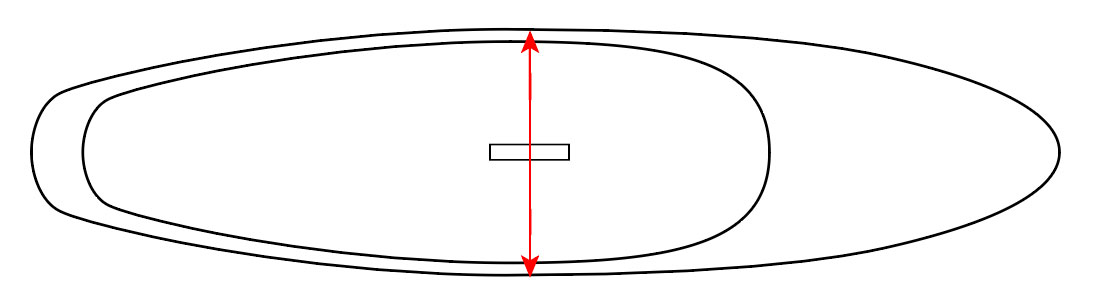
The underside of the Perception Pescador 12 is as impressive as the top. The boat paddles confidently and the flat-bottomed, 32.5-inch-wide hull supports a standing angler with good balance. A multi-chine hull profile provides solid secondary stability without reducing maneuverability.

What does this mean, exactly? Well, some kayaks have large flat bottoms with plenty of initial stability, but are considerably less stable when the kayak is tilted to one side (known as secondary stability). Other kayaks have rounded bottoms, which feel more stable in waves and swells but lend the boat a tippy feeling on flatwater, like it wants to rock to one side or the other.

The Pescador combines the best of both worlds. The flat, stable bottom pairs with a multi-chine hull profile that transitions from flat to tilted in gradual steps. This secondary stability gives the Pescador its confidence-inspiring ability to handle rolling waves in exposed waterways. It also allows users to tilt the boat on its edge to enhance maneuverability for quicker turning.

Users of the Perception Pescador 12 are often surprised at how fast this kayak feels compared to similar boats in its class. Its light weight combined with the tapered and streamlined hull shape give the Pescador 12 enough speed to battle headwinds or climb against tidal current. At 12 feet long, it’s not going to win any races against 14- or 16-footers, but the Pescador is still quick for a fishing kayak.

The Perception Pescador 12 hull is cut with long channels that improve tracking. Tracking describes a kayak’s ability to travel in a straight line with minimal corrections. The Pescador 12 is able to hold course in pesky crosswinds thanks to a pronounced keel (ridge in the center of the hull) at the bow and stern.

Perception improved tracking even further by shaping the Pescador 12 stern to act like a built-in skeg. A helpful analogy is to think of a skeg like studded tires on an icy road. Without it, when you stopped paddling, the rear of the kayak would slide out like the back end of a car that’s lost traction.

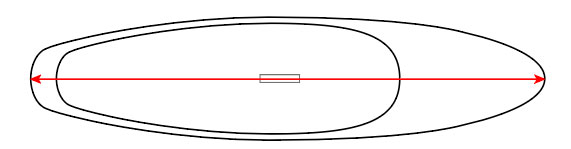
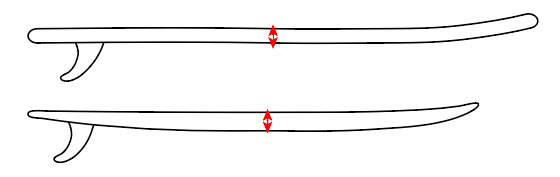
Perception Pescador 12 users also applaud the boat’s ability to handle waves and choppy water with ease. If you look at the side profile of the Pescador, you can get a sense of something kayak designers call “rocker”. Rocker describes the hull’s upward curve from bow to stern. A kayak with extreme rocker from end to end would have a banana shape. Like every other design element, rocker is a compromise: lots of rocker equates to better maneuverability and handling in choppy water, but poor tracking and less speed on flatwater. The Perception Pescador 12 has just enough rocker to assist with riding over choppy water so you don’t bog down in the troughs, but not so much that it robs cruising speed.

Market and demographics

The Perception Pescador 12.0 kayak is a sit-on-top fishing kayak best suited for lakes, ponds, slow-moving rivers and calm coastal areas.

The sub-$800 price tag and paired down outfitting classify the Pescador 12 as an entry level kayak, but this proven design is well known for punching above its class. Longtime Pescador 12 users say it is one of the best entry level fishing kayaks on the market.

A capable and versatile fishing kayak that can go well beyond the pond, the Perception Pescador 12 is a boat that will grow with aspiring kayak anglers as their skills develop.

About the Pescador 12 fishing kayak

Design

Material and construction

The Perception Pescador 12 fishing kayak is made of high density polyethylene (HDPE), which is a durable and cost effective plastic for kayak production. The affordability and toughness of this material make it the most popular choice for recreational and fishing kayaks.

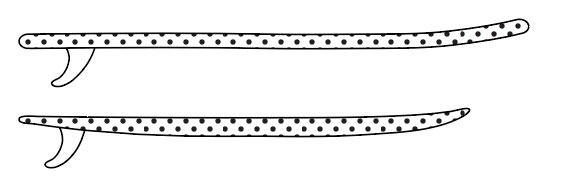
Perception kayaks are built using a rotomolding process in which small plastic pellets are poured into a mold that is then heated and rotated in an industrial-size oven. This liquifies the plastic pellets and evenly distributes the plastic throughout the mold, resulting in a robust and seamless final product.

Where are Pescador kayaks made? All Perception kayaks are designed and built in Greenville, South Carolina.

Top down view of blue and grey sit-on-top fishing kayak
Photo: Courtesy Perception Kayaks

Perception Pescador 12 accessories and outfitting

The Perception Pescador 12.0 kayak packs comfortable outfitting and a number of useful accessories into its streamlined design.

The bow of the Perception Pescador 12 fishing kayak has a spacious dry hatch with an easy to open, hinged hatch cover. This hatch is the first of the Pescador’s on deck storage areas and provides an interior space to keep gear loaded toward the bow of the kayak.

The Pescador 12.0 kayak cockpit area offers comfort and functionality that outperforms comparable models with thick ergonomic padding and an adjustable seat back for personalized support. The sliding foot braces allow paddlers to fine-tune their leg position for optimal comfort and fit, reducing fatigue and enhancing boat control.

The cockpit area also has six scupper holes, which act like one-way valves to allow water that splashes into the Pescador 12 to drain out through the floor. Scuppers drain best when the kayak is moving forward, but when you’re sitting still a small amount of water can lap up through the holes. For this reason, foam or plastic scupper plugs are available to seal the holes when desired, and open the scuppers in rougher water or when the boat needs to be emptied.

Perception Pescador 12 rigging includes a convenient bungee paddle park for securing your paddle when your hands are otherwise busy. Multiple gear tracks and Solo Mount recesses make it easy for anglers to add accessories like action cameras, fish finder, GPS and additional rod holders. Behind the seat, a pair of molded-in rod holders keep stashed rods out of the paddle swing.

The stern of the Pescador 12 is occupied by a spacious rear tankwell that is criss-crossed with bungees and drained by scuppers. This open storage area provides an easily accessible space for tackle and gear, and is large enough to accommodate a fishing crate or cooler.

Below the rear carry handle on the stern of the Pescador 12 is a drain plug. Drain plugs provide a way to empty any water which has entered the interior of a sit-on-top kayak’s hull. It’s common to have a very small amount of water enter the hollow cavity of the hull through outfitting screws or hatches. Before hitting the water, be sure the drain plug is tightly closed to keep water from filling the kayak.

Opportunity for modifications

Handy kayak anglers looking to get the most out of their fishing kayak have opportunities for DIY Perception Pescador 12 rigging modifications.

A useful upgrade for anglers headed onto more exposed waters or looking to control drift on slow-moving rivers and tidal currents is a Perception Pescador 12 rudder kit. The kit is available directly from Perception and, in addition to the stern-mounted rudder, requires installing a different set of foot braces and connecting cables to steer the rudder system.

Another possible modification is a seat upgrade. While the seat pad and backrest of the Pescador 12 are more comfortable than many comparable kayaks in this price range, some users may prefer more padding or support. Since Perception does not offer a compatible over-the-counter seat upgrade, an easy DIY Perception Pescador 12 seat mod would be to install a more supportive, third-party backrest and thicker piece of foam to raise your seating position. The popularity of this classic fishing kayak means there’s no shortage of advice and YouTube instructional videos from other Pescador users in the kayak fishing community.

Keep in mind that the low seating position of the Pescador 12 does provide a good amount of the kayak’s stability. The downside to modifying a seat and lifting your position in a kayak not designed for this, is you may lose some stability by having a higher center of gravity.

Another option if you prefer a higher seating position is to consider the Pescador Pro 12.0, which is only $200 USD more than the Pescador 12 and includes an elevated stadium-style frame seat. The seat goes from high level to low level and back with a scooch of the butt. A higher seating position also allows for easier transitions to standup fishing. Scroll down for a more in-depth look at the differences between these two popular models.

If you’re looking to add power to your fishing kayak, you may be disappointed to learn there is no Perception Pescador 12 trolling motor. However, like most fishing kayak modifications, where there’s a will there’s a way. Users of the Pescador 12 have fashioned motor mounts to the stern to turn this paddle powered boat into a motorized craft. In addition to mounting the motor, you’ll need a marine battery stored in the stern tankwell. Once again, watch as many YouTube user videos as you can before drilling any holes in your Perception kayak.

Warranty

Perception offers a five-year limited warranty on the hull and deck of the Pescador 12 from the original date of purchase.

Parts, accessories and outfitting are provided a one-year warranty from manufacturing defects.

Man fishing from red sit-on-top kayak
Photo: Courtesy Perception Kayaks

How it compares

The Perception Pescador 12 is a favorite in a crowded class of low cost sit-on-top fishing kayaks. Here are comparisons to a few other models in the Pescador lineup to help you decide which may be best for your fishing experience.

  • Perception Pescador 12 vs Pro

    The Perception Pescador 12 and Perception Pescador Pro 12 are the same hull design with the Pro bringing a few upgrades on deck for an enhanced user experience.

    Most notably, the Pro features a removable stadium-style frame for a higher, drier and more comfortable seating position. This is in comparison to the Pescador 12 seat, which is molded into the deck of the kayak with a simple padded cushion and folding backrest.

    For storage space, both the Pescador 12 and Pescador Pro 12 have a large stern tankwell capable of carrying tackle boxes, cooler or a fishing crate. The difference between the two comes to the bow storage. The Pescador 12 has a bow hatch accessing dry storage, while the Pro 12 has a second open tankwell space with a mesh cover to keep your gear in place. The open tankwell on the bow is advantageous for kayak anglers seeking maximum storage space on the deck.

    The other major difference in features between the 12 and Pro 12 is the inclusion of a fish finder console space and drill-free transducer mount on the Pro 12. For gadget craving kayak anglers, having a ready-to-go space for their fish finder saves installation time and drill holes in your kayak.

    Ultimately, the decision between the Pescador 12 or Pescador Pro 12 may come down to individual comfort and fit. For users who prefer a deluxe frame seat, spending an extra $200 on the Pescador Pro 12 may be a small price to pay.

  • Perception Pescador 10 vs 12

    The Pescador 10 is another size option from Perception, and one of the company’s best selling fishing kayaks. The Pescador 10 and 12 complement one another in the Perception fishing lineup, and either could make a great fishing kayak for you.

    With the same outfitting and design elements, the only significant difference between the two boats is size. The Pescador 10 is 10’6” long, compared to the 12-foot Pescador 12.

    Since longer equates to faster, all other things being the same, the 12 has a slight edge on its shorter sibling in terms of speed and tracking. On the other hand, smaller users and those who fish in tighter waterways may prefer the Pescador 10’s more nimble maneuverability and lighter weight. The Pescador 10 weighs 57 lbs, seven pounds less than the Pescador 12, and a 10-foot kayak is also easier to store and transport.

    Size also affects weight capacity; the Pescador 12 can carry an additional 50 pounds for a maximum capacity of 375 pounds.

    In summary, choose the Pescador 12 if you fish on larger, more exposed waters or need the additional weight capacity. The Pescador 10 is a better choice for smaller paddlers and those who fish tighter ponds and rivers where a more maneuverable kayak is desirable.

  • Perception Pescador Pro 10 vs 12

    The Pescador Pro 10 is built on the Pescador 10 hull discussed above, and features the Pro deck features outlined in the Pescador 12 vs Pro comparison. If you are seeking a slightly shorter and more maneuverable kayak with an elevated stadium-style frame seat and open bow tankwell for more on-deck storage, then the Pro 10 may be a good option for you. If you’re happy with a lower seated position, combined with better speed and tracking for cruising open water, the Pescador 12 is the more suitable choice.

Where to buy the Perception Pescador 12

You can find Perception kayaks at specialty paddling shops as well as many major outdoor sporting goods retailers. For example you will find the Perception Pescador 12 at Academy Sports, REI and Dick’s Sporting Goods.

Kaelin Friedenson: Switch-Freewheel Off Iconic Waterfall In Mexico (Video)

Kaelin Friedenson throws a switch freewheel off Tomata Falls in Mexico.
Kaelin Friedenson throws a switch freewheel off Tomata Falls in Mexico. Photo: Dion Carroll

Despite the continued unsettling state of the world, Kaelin Friedenson has made 2021 his year. The 18-year-old whitewater kayaker is taking downriver freestyle to new heights–quite literally.

You may recognize Friedenson as the winner of the 2021 Green Race in the Under 21s category (placing 6th overall), the 2021 Extreme Slalom Junior Champion, or as the first-place winner of this year’s Great Falls slalom race. But even off the racecourse, this up-and-comer has been making waves in the whitewater scene.

In the 12 months we’ve seen Friedenson throw tomahawks, land Cobra Flips off intimidating waterfalls and, most recently, huck a ~60-foot waterfall in Mexico, backwards. Watch his recent descent of Tomata Falls in Veracruz, Mexico here.

Folding Kayak Review: Oru Inlet

man pulls an Oru Inlet folding kayak from the water
Grab and go anywhere with the Oru Inlet folding kayak. | Feature photo: Roberto Westbrook

If I told you my fishing kayak weighs 20 pounds, is only nine feet, eight inches long and has a 275-pound capacity, you would look at me like I just landed from the planet Ork. To tell the truth, the first time I saw the Oru Inlet folding kayak, I thought it arrived to Earth in a giant egg.

Picture this: a kayak made out of translucent corrugated plastic sheets folding like an origami swan. The only accessory is a simple gel seat in the bottom of the cockpit. Unhook several buckles, loosen a bungee cord and the boat collapses to make its own carrying case. Wherever it arrived from, the unusual Oru Inlet landed a spot on Paddling Mag’s list of best kayaks.

Oru’s Inlet is an out-of-this-world folding boat

Oru Inlet Specs
Length: 9’8”
Width: 31”
Weight: 20 lbs
Capacity: 275 lbs
MSRP: $899
orukayak.com

Turns out, Oru didn’t come from another galaxy, the concept came from Anton Willis, Oru’s chief design officer. “The idea for Oru Kayaks started when I moved into an apartment and had to put my kayak into storage,” Willis says. He remembers reading a magazine article about origami and then folding paper into kayak shapes.

After 25 prototypes and three years working nights and weekends on the project, the first origami-inspired kayak hit Kickstarter in 2012. Since then, Oru have released five models from a 16-foot-long touring kayak to a 500-pound-capacity tandem. The Inlet is the lightest and least expensive Oru, with a short waterline and wide open cockpit for fishing.

“We’re always making our boats more accessible, that means price as well as portability,” Willis says. As the least expensive Oru model, and the lightest, the Inlet is on its way to meeting this goal.

A detail of the Oru Inlet bow
Based on skin on frame design | Photo: Roberto Westbrook

The Oru concept wasn’t only inspired by origami. Willis was committed to designing a kayak that performs as well as it packs up. The Oru hull recalls the designs of traditional Inuit kayaks built out of animal skins stretched across a wooden frame. The folds in the Oru’s body act like a frame to give the boat its rigidity.

The Inlet’s open cockpit makes it the best model for fishing. There is room behind the seat for tackle boxes and gear with space in front of the seat to land a fish or take a small kid or pet for a ride.

Assembling the Oru Inlet

The origami kayak’s advantages were apparent when the boat arrived in a single box the size of a large suitcase. Opening the box, I found the Inlet, a four-piece paddle, life vest and the seat.

Once the boat was out of the box, I spent about 15 minutes putting it together. Before attempting to insert slot B into tab A, I watched an instructional video on Oru’s website. The instructions are also printed on the boat’s floor.

Compared to just pumping up an inflatable kayak, unfolding the Inlet was more complicated but a lot easier and faster. Oru uses a corrugated plastic like heavy-duty, waterproof, puncture-resistant cardboard. The rigid panels pop into place along pre-creased folds.

The combination of stiff material and strategically placed folds gives the kayak its shape. Then, a series of straps and bungees hold it together. The seat straps into the cockpit and a bungee holds the foot brace. Hard plastic fairings on the bow and stern increase rigidity and toughness while improving hydrodynamics.

Easy to transport and store

Once the boat is built it looks pretty cool. The traditional kayak roots are visible in the rigid folds and flat panels. The white body and black accents are sharp with orange bulkheads and floor for some spice.

I was won over when I lifted the Oru over my head. I could easily carry the boat across a shoulder instead of dragging it. The size and weight were liberating. In addition to fitting into a car trunk and broom closet, the boat is easy to store in the yard and load assembled on a roof rack or pickup truck.

“We’re always making our boats more accessible,
that means price as well as portability.”

So, does the Oru work? First, a word about expectations. The Oru fits in the category of easy-to-transport-and-store kayaks along with inflatables and other folding kayaks.

All boats in this category are subject to limitations. Inflatable boats often suffer from poor performance owing to the boat’s lack of rigidity. Using a rigid hull, folding kayaks such as Uncharted Outbound or Point 75 KingFisher improve performance. But these boats aren’t as portable as an inflatable and the performance still isn’t as good as a traditional kayak.

The Oru strives to beat the portability of an inflatable and performance of other folding kayaks.

As for portability, the Inlet gets top marks. Lighter than an inflatable and easier to assemble, I was able to build the Inlet without breaking a sweat. The kayak folds into its own carrying case, so it is a lot easier to move and the boat can store in a small closet or under a bed. The Inlet can even carry a travel paddle and life vest in one package.

Compared to other folding kayaks, the Inlet is lighter and smaller, even if it is a little more complicated to construct. The Outbound and Kingfisher will fit in a hatchback, I can stuff two Oru Inlets in the same space.

Oru Inlet on the water

On the water, the Inlet had a different story to tell. I have to admit, I was a little suspect of sitting in a paper-like kayak. I could see water through the transparent hull.

The low profile gel seat was comfortable and supportive. I could adjust the seat forward and back and recline the seat back with a series of straps. The foot brace suspends on three bungees and can be adjusted to dial in the fit.

Paddling the Inlet was a breeze. The 31-inch-wide boat scoots over the water with a sharp bow and stern keeping the kayak traveling straight. Turning the kayak is easy, even in tight places. At only 20 pounds with a nine-foot, eight-inch waterline, the Inlet will spin in its own length.

Fishing from the Inlet was more of a challenge. Even though I had the straps pulled tight and the bulkheads installed, the Inlet is very flexible. I feel like the open cockpit causes the boat to be less rigid. Turning around, making a cast and landing a fish caused the boat to flex and twist.

While the sensation was weird, flexing and bending wasn’t unsafe. I was able to paddle and fish fine. It’s just different, I guess.

Compared to a traditional kayak, the Inlet isn’t very stable. Leaning to the side causes the boat to dip until it catches on the secondary stability. A couple times I took a little water over the gunwale. Despite the wobbliness, with some trepidation I was still able to stand and fish.

man pulls the Oru Inlet folding kayak from the water
Grab and go anywhere with the Oru Inlet folding kayak. | Feature photo: Roberto Westbrook

Surprisingly, the Inlet is tougher than it looks. The thin, translucent material seems like it would give way with the slightest bump. But I was able to drag the boat over rocks and crash into dock pilings. During the boat test, I intentionally abused the Inlet but never reached its breaking point. This boat may be light and thin, but it is pretty tough.

After a few trips, I grew accustomed to the Oru’s flexibility. The design is pretty solid and I never had a failure of the hull or flipped over. While the performance isn’t on par with a traditional plastic kayak, I would say it is as good or slightly better than an inflatable. With unmatched portability and slightly better paddling performance, the Inlet leads the category.

A vessel designed for urban paddlers

In addition to apartment dwellers and public transport riders, the Inlet is perfect for people looking to get on the water quickly and easily. Oru originator, Anton Willis says the boats are popular with millennials who are living life without cars and houses. “On the other end of the spectrum, older people love the Oru because they don’t have to lift a heavy kayak onto roof racks” Willis adds.

“People have had amazing
adventures in Oru kayaks.”

Willis says the best part of his job is hearing his customers stories. “People have had amazing adventures in Oru kayaks,” he says.

In fact, I would say many owners are able to take the trip of a lifetime because of the portable and functional Oru kayak. Kayak Angler’s favorite photographer, Dustin Doskocil took the original Oru down the famous Devil’s River in Texas. Both Dustin and the boat returned in one piece.

Get into the fold with the Oru Inlet

While the Inlet isn’t the best kayak for fishing, it is the best Oru model for fishing. So far. Willis hinted they are working on a fishing-specific model that will be more stable and stiffer with more features. “We’re looking for feedback,” he tells me. After enjoying the Inlet, I look forward to the next model.

Related articles

Oru kayak reviews

Folding kayak reviews

Sit-inside fishing kayak reviews

This article was first published in Kayak Angler Issue 46. Subscribe to Kayak Angler and get the magazine delivered to your front door. Download the Kayak Angler Magazine+ app to seamlessly glide between the digital archives, the latest articles and videos.


Grab and go anywhere with the Oru Inlet folding kayak. | Feature photo: Roberto Westbrook

7 Ways To Find More Adventure In Your Life

"What do you want to do next Wednesday?" | Photo: Thomas Heaton

An adventurous life doesn’t have to be the domain of eccentric millionaires and dirtbag vagabonds. Even with a 9-to-5 job, you too could be setting off on a new adventure every week—the trick is to think smaller, shorter and closer to home. Think microadventure.


How to Find More Adventure at Home

Microadventures fit into the oft-neglected 5 to 9, according to British explorer, Alastair Humphreys, who coined the term. A spontaneous weeknight paddle with friends. A moonlight hike along a favorite trail. Cycling your 10-mile commute instead of driving. Heading downriver for one night with the smallest pack you can manage.

person adventure camps at a mountaintop above their home city
“What do you want to do next Wednesday?” | Feature photo: Thomas Heaton

“Microadventures are a way to refresh the soul from the routine of the real world,” says Humphreys. Known for his larger-than-life exploits—cycling 40,000 miles around the world, rowing across the Atlantic and paddling remote rivers, just to name a few—Humphreys has championed sticking closer to home over the last five years. “Adventure is a state of mind—you don’t need to go far to find it,” he says.

While mortgages, car payments, kids, pets and a multitude of other responsibilities can make it hard to commit to a multi-week journey-of-a-lifetime each summer, almost anyone can fit in a microadventure. Why? Because they’re cheap, simple, short and on your doorstep. Don’t relegate outdoor adventure to a handful of three-day weekends a year—go micro, go more often and be happier for it.

[ Looking for some trip suggestions? Find more adventures in the Paddling Trip Guide ]

1 Make no excuses

Adopt this mantra: Any adventure is better than no adventure. If, like many North Americans, you receive just two precious weeks of vacation, plus nine stat holidays a year, that still leaves you with 123 unscheduled days. Obligations will quickly eat into that time, but the key is to, “Work around the things that are non-negotiable,” advises Humphreys. “Lack of time, or money or equipment or specialty skills are all things you can either bemoan or make the best of.”

2 Get yourself going

Once you’ve kicked your excuses to the curb, “Make a cup of tea, open a map, and find green space near you,” advises Humphreys. Start small and achievable. Commit to paddling the nearest bit of water you can find after work, or climb a hilltop with a view of the sunset and sleep under the stars.

Recruit a friend if you’re likely to procrastinate or waffle at the last moment. “First overcome the inertia of routine,” says Humphreys, then get more ambitious.

people paddleboarding on a mountain lake in an adventure close to home
Inertia is the enemy. Keep it short, simple, local and cheap to go more often. | Photo: Ashley Voykin

3 Fear the gear

Less gear equals less prep and cleanup, making it easier to get up and go. A sleeping bag, tarp, water bottle and snacks may be all you need for a single night out. A night of minimalism can be a way to experiment with creating a cozy ultralight kit, or learn an entirely new skill, like MacGyvering a cook stove from a beer can.

4 Take the kids

Being a parent isn’t an excuse. “The problem is not kids, it’s adults,” says Humphreys. “Kids love adventure, like nights out and sleeping wild.” Children often surprise adults with their resiliency, and their enthusiasm, spontaneity and curiosity make them perfect explorers. It’s adults that often need to relearn these qualities.

5 Write it all down

If you’re bored at home, make a plan for your summer adventures today. Pencil in proposed dates of weekend getaways, overnights and evening paddles. “Real life often gets in the way and good intentions fade—writing down your plan and committing to it makes it more likely to happen, even if you have to reschedule,” says Humphreys.

6 Repeat regularly

When the University of Illinois discovered last year that spending time in nature boosts the human immune system, it became only the most recent institute among dozens to prove that time outside really does make people happier and healthier. Humphreys challenges his readers to get out on 12 microadventures a year at minimum—one a month.

7 Get inspired

Still need a shove out the door? Find more ideas and tips at alastairhumphreys.com. Discover what others are doing and where they’re going by searching #microadventure on social media.

Paddling Magazine Issue 65 | Fall 2021

This article originally appeared in Early Summer 2016 issue of Canoeroots & Family Camping and in Paddling Magazine Issue 65. Subscribe to Paddling Magazine’s print and digital editions here, or download the Paddling Magazine app and browse the digital archives here.


“What do you want to do next Wednesday?” | Feature photo: Thomas Heaton

Best Intex Kayaks For 2026

Intex inflatable kayak sits on glassy water in front of a mountain under dramatic clouds
Feature photo: Skitterphoto/Pixabay

Intex knows inflatables. The company produces many different types of air-filled products: pools, pool toys, mattresses, and a wide assortment of other inflatable equipment to enjoy and stow away. Intex inflatable kayaks fit nicely into this theme; they get you out on the water at a low price, and are portable and packable when not in use.

Intex kayaks are affordable inflatable kayaks for the casual paddler. These low-cost kayak packages come with nearly everything needed to get on the water: pump, paddles and the boat itself. All you need is a Personal Flotation Device (PFD) and the required safety gear, and you’re ready to go. They’re also widely available from big box department stores, outdoor stores or online.

Available as solo or tandem boats, Intex inflatables are best used as casual recreational kayaks. These are not heavy-duty, expedition-ready touring kayaks, but rather are best suited to an afternoon at the beach, cottage or campground, and short paddles on sheltered lakes, bays and slow-moving rivers.

Intex inflatable kayaks are stable, and with their open decks, are comfortable and easy to enter and exit—making them ideal for beginner paddlers. Intex kayaks’ inflatable design adds to the comfort of the kayak; it’s like sitting on an air mattress. They can also be quickly deflated to make storing and transporting easier.

Intex kayaks are ideal for paddlers or families who want a low-cost option to spend some time on the water. While they are not as durable as high-end inflatable kayaks, they still hold air for casual paddlers on a budget. For aspiring recreational kayak owners, Intex inflatables offer comparable price and performance to an entry-level rigid kayak, but with the added benefit of effortless storage and portability.

Overall, these kayaks are a great choice for occasional paddlers who are tight on space and want a kayak they can stuff in a closet or storage shed.

Shopping for a used Intex kayak?

If you’re buying a used Intex kayak, carefully weigh the potential benefits and drawbacks. Choosing to buy used can save you some money, but consider that since these budget-priced inflatable kayaks aren’t exactly known for durability, your purchase may not last as long as you’d hoped.

Cost savings are the main reason to buy used, or if you feel that you’re among the most casual of casual kayakers. Intex inflatables are perfect for a float around a calm lake, and if you only hope to take the boat out a few times a season, why not get the cheapest one you can?

All Intex kayaks are inflatable, so it is imperative that you ensure the kayak actually inflates and holds air before you purchase it. Start by examining the overall condition of the Intex kayak. Open up the package and inflate it. In the process, listen for air leaks in the valves and tubes and watch for any stains and mold, which may reveal the kayak was stored wet.

Is there any fading in the Intex kayak’s deck (top) or hull (bottom)? Fading reveals UV damage, which will compromise durability. Make sure there are no missing parts; check for seat(s) and seat back(s), deck rigging such as grab lines, skeg (a removable fin that slides into the hull) and pump.

If you discover the kayak has an air leak, it may not be a deal-breaker. If the leak is a simple pinhole, you can repair the hole using the patch kit provided, or any PVC patch kit. Leaks along the seams of the kayak or at the valves will be more difficult to resolve; pass on any leaking used kayak that you’re not confident about repairing.

For more tips on what to look for when selecting a used kayak, read our article How To Buy A Used Kayak.

Intex kayak buying advice

Intex kayaks are available across North America at box stores and online outlets. These inexpensive inflatable kayaks are a good choice if you’re low on storage space and looking for a casual kayak for recreational paddling on calm, sheltered water without breaking the bank. Intex kayaks are available for a range of needs, including recreational paddling and fishing, single and tandem, for paddlers of all sizes.

There are three main models of Intex kayaks, with two models available as a solo or tandem kayak. Each design is slightly different to match different activities. The Explorer and Challenger models are found within Intex’s budget-minded “Sport” series, while the higher-priced Excursion falls within the brand’s more feature-rich “Professional” series.

Here’s a rundown of all the models to help you identify the best match for your paddling style and ambitions.

Explorer

The Explorer K2 kayak is the least expensive two-person kayak from Intex. Available as a tandem model (that can also be paddled solo), the kayak kit comes with a pump and paddles, so in theory you can buy a personal flotation device (PFD) and safety kit (containing Coast Guard-approved equipment), walk out of the store and get on the water.

Still, it’s important to remember that Intex’s background is making pool toys and air mattresses. Their inflatable kayaks are built in the same vein, especially the cheaper Explorer. This kayak is perfect for an hour of gentle fun on a sheltered bay or lazy river, but it is not one you want to rely on in any sort of rough waters.

Paddle Sober And Smart
  • Never mix alcohol and paddling. Coast Guard and state BUI (boating under the influence) laws apply to all vessels. This includes canoes, kayaks, SUPs and rafts.

Challenger

The Challenger K1 and K2 kayaks are comparable in performance and price to the Explorer, with slightly more covered decks. The Challenger K1 is a single-person, lightweight inflatable kayak, while the main difference between the Challenger K2 and the Explorer K2 is that the Challenger features less rocker (or lift in the bow and stern) and is a foot longer, making it slightly quicker and roomier for two adult paddlers. The Challenger K2 can also be paddled solo by a larger paddler.

Excursion

Intex’s Excursion Pro K1 and K2 kayaks are the best built kayaks produced by the company. These single and tandem kayaks are made from better quality PVC materials than the Explorer or Challenger series kayaks. More robust materials allow for a higher air pressure, which keeps the kayak shape stiffer, increasing speed and performance.

With angler-specific features like rod holders and gear mounts, the Excursion Pros are also suited to casual kayak fishing. All this does add a bit of weight, but at 37 and 46 pounds for the K1 and K2, respectively, these kayaks are not ridiculous to carry either. Transporting the kayak is also easier with the included carry bag—something other Intex kayaks do not come with.

At double the price of the Explorer and Challenger series kayaks, the Excursion Pro kayaks offer an attractive middle ground in terms of performance, price and durability between those budget boats and higher-end inflatable kayaks made by Advanced Elements or Sea Eagle.

Use this as a start, and remember that online research will only get you so far. The best advice we can offer is to always test paddle before buying any boat. Of course, that’s a challenge at most of the big box and online outlets where Intex kayaks are sold. Try to borrow an Intex kayak from a friend for a test paddle in real-world conditions. The more time you can spend on the water in a similar style of kayak, the better the purchasing decision you will make.

Wear A Life Jacket
  • Everyone, even strong swimmers, needs to wear a life jacket at all times when on the water. It is extremely difficult to put a life jacket on once you fall into the water. Even a light wind can blow any paddlecraft away from you, faster than you can swim.
  • Always wear a USCG-approved Level 70 or Type III life jacket designed for paddling.

Here are answers to some of the most common online questions about Intex kayaks.

  • Intex kayak warranty

    Intex kayaks come with a 90-day limited warranty. Submitting warranty claims requires Proof of Purchase (your receipt) and should be done through Intex, rather than the place you bought the kayak from.

  • Cheapest Intex kayak

    The cheapest Intex kayak is the Challenger K1 Kayak. This kayak retails for around $170 US. It’s a 9-foot solo inflatable, made with vinyl. The package includes aluminum paddle, pump and a removable skeg (fin that attaches to the hull) to assist with directional control.

  • Where to buy Intex kayak

    Intex kayaks are available in-store and online at many big-box retailers like Walmart, Cabela’s, Bass Pro and Canadian Tire, as well as from Amazon. The inexpensive Explorer kayaks are the most widely available, but many stores can also order in other Intex kayaks.

Intex comparison

  • Intex vs Sevylor inflatable kayak

    Both Intex and Sevylor produce similar discount-priced inflatable kayaks for casual paddlers. The two brands cater to similar demographics: namely, beginners looking for a cheap kayak that they can store in a closet and transport in their trunk, without the need of investing in a pricey roof rack.

    On the whole, Sevylor has a broader range of inflatable kayaks than Intex—especially if you’re looking for a unique two- or three-person kayak. However, Sevylor’s North American sales are limited—Amazon is your best bet, but be aware that online returns or support may be more difficult. If you want a greater selection of inflatable kayaks, you will benefit from Intex’s broader network of North American distributors.

    Both brands offer similar performance characteristics and both are meant for use in sheltered, calm water and on gentle rivers with class II whitewater or less.

  • Sea Eagle vs Intex kayak

    Sea Eagle produces some of the highest quality inflatable kayaks on the market. They utilize drop-stitching to keep the walls rigid, and use robust PVC to resist abrasion and impact. These upper-tier kayaks cost much more than Intex boats, but their lifetime is significantly longer.

    Intex’s “Pro” series Excursion models are comparable to Sea Eagle’s Sport Kayak series. The SE330 and SE370 are only slightly more expensive than Intex kayaks, but magnitudes better. If you feel like spending the extra hundred dollars, opt for a Sea Eagle and get a boat that will actually paddle like a kayak.

Carry A Whistle (And A Light For Night Use)
  • Every paddler should have a whistle attached to his/her life jacket.
  • Carry a light at night. Consider carrying a distress signal device.

Intex kayak reviews

Turn to our expert reviews of Intex’s line up of kayaks to help select the right model for you. We discuss design features, accessories, performance, comfort and more so you can get a sense of what to expect—even more important if you’ll be unable to paddle the boat before purchasing.


Best Emotion Kayaks For 2026

two Emotion kayaks sit in the water near grass and lilypads
Feature photo: Levoqd/Pixabay

Founded in 2002, Emotion is known for making budget-friendly recreational sit-inside and sit-on-top kayaks. In 2011, the Emotion Kayaks brand was purchased by Lifetime products, creators of basketball nets, sheds and other outdoor equipment. The merger combined Emotion’s knowledge of kayak design with Lifetime’s robust plastic manufacturing processes to improve their kayaks.

Today, Emotion kayaks are made under the Lifetime label. Many Emotion classics continue to be available under the Lifetime label—for example, the Emotion Stealth Anger Pro is now rebranded as the Lifetime Angler Pro. With Lifetime products, you’re still getting the best Emotion kayak shapes and designs, just under a new name.

Emotion (and Lifetime) kayaks target beginner paddlers who do not want to spend a ton of money on their first kayak or paddlers who want a bare-bones boat that can get them out on calm, sheltered water. They are classified as recreational kayaks. “Rec boats,” as they’re sometimes called, are characterized for their wide, flat bottoms and relatively short lengths, often 12 feet or less.

Most people will quickly grasp the basics of paddling in a recreational kayak, whereas longer, narrower sea kayaks can feel unstable or difficult to control for someone new to the sport. Recreational kayaks’ short length also means they are easy to carry, store and transport.

If this is what you’re looking for, or you want to learn more, read on for advice on buying new and used Emotion kayaks.

Shopping for a used Emotion kayak?

You’re likely to find more used Emotion kayaks than new ones, as many models are now made under the Lifetime brand. Choosing to buy a used kayak is an excellent way to save money, but you’ll want to check the boat over carefully before committing to a purchase. This is especially true with Emotion kayaks, as some replacement parts may not be available.

Emotion kayaks are made from rotomolded plastic, which is incredibly resilient and durable. Check the hull (bottom) and deck (top) of the kayak for scrapes and cuts. Scratches that don’t pierce the hull are generally superficial. If you’re handy, deeper gouges can be mended by using a polyethylene repair kit.

Wear A Life Jacket
  • Everyone, even strong swimmers, needs to wear a life jacket at all times when on the water. It is extremely difficult to put a life jacket on once you fall into the water. Even a light wind can blow any paddlecraft away from you, faster than you can swim.
  • Always wear a USCG-approved Level 70 or Type III life jacket designed for paddling.

The most common damage you’ll find with rotomolded kayaks is that their shape warps. Known as “oil-canning”, the most likely spot for this warping to happen is on the hull below the cockpit (seating area). Warping is most often the cause of UV damage from improper storage (long-term exposure to direct sunlight) or improper transport (over tightening tie-downs). Sometimes oil-canning can be mitigated by warming the kayak and reshaping it, but it will affect the boat’s performance if it is too warped.

The buckles, straps and seating of budget Emotion recreational kayaks are often the first things to fail. Many of these parts are plastic and can be replaced with hardware store equipment, or by contacting Lifetime for substitute parts.

The only way to fully appreciate the comfort and performance of a kayak is to try it before committing to a purchase. Arrange a meeting place with the seller that allows you to take a few moments on the water. Bring your usual paddle and dress in what you plan to wear while paddling. With a sit-inside kayak, be sure to assess how easy the boat is to enter and exit.

For more tips on what to look for when selecting a used kayak, read our article How To Buy A Used Kayak.

Emotion Kayak buying advice

Emotion kayaks are budget-friendly for people who want to get into kayaking without the significant investment that comes with high-end gear. These boats are intended for casual use on sheltered water, like at the cottage, campground or local wetland. Their basic design means that there are fewer moving parts to break.

It’s important to note that these kayaks are not suitable for open water or rough conditions. Without a watertight bulkhead (interior wall that creates separate flotation chambers within the hull), Emotion recreational kayaks will sink if the cockpit fills with water. If you are looking to explore further or paddle in rougher waters, look toward a touring kayak. But for general use on gentle waters, Emotion kayaks are available for a range of needs for paddlers of all sizes.

The initial choice for a recreational kayak buyer is deciding between a sit-inside or sit-on-top. Sit-inside kayaks are a good stepping stone for paddlers who wish to advance their skills or progress toward a longer touring kayak. As their name implies, the paddler sits inside the cockpit, with their legs covered by the deck. Some sit-inside recreational kayaks can also be equipped with a nylon sprayskirt that forms a seal around the paddler and shelters the cockpit from splashing waves, precipitation and wind.

With their open decks and wide, stable designs, sit-on-tops are even more beginner-friendly. Getting on and off requires less technique than entering or exiting a sit-inside kayak. Larger paddlers may feel more comfortable and less confined by the open deck layout. Many fishing kayaks are also sit-on-tops, as it is easier to access gear, cast and land fish.

With a bit of luck, you might track down an Emotion kayak online that suits your needs, but you likely won’t find it in any stores nearby. Instead, check for Lifetime kayaks—the model you are looking for may be available under the new parent company name. The general design of Emotion kayaks is not particularly ground-breaking or exclusive to the company. If you are looking for a cheap, stable kayak with no frills, Emotion, Lifetime, Perception and Sun Dolphin are all fairly equivalent options.

The best advice we can offer is to always test paddle before buying any boat. Of course, that’s a challenge at most of the big box outlets where many recreational kayaks are sold. Try to borrow an Emotion kayak from a friend for a test paddle in real-world conditions. The more time you can spend on the water in a similar style of kayak, the better the purchasing decision you will make.

Paddle Sober And Smart
  • Never mix alcohol and paddling. Coast Guard and state BUI (boating under the influence) laws apply to all vessels. This includes canoes, kayaks, SUPs and rafts.

Here are answers to some of the most common online questions about Emotion kayaks.

  • Are Emotion kayaks good?

    Emotion kayaks are good entry-level recreational kayaks. You get a craft that is intuitive to use, stable and durable for a reasonable price.

  • What happened to Emotion kayaks?

    In 2011, Emotion was purchased by Lifetime products. This began a gradual shift towards rebranding Emotion kayaks under the Lifetime label. Emotion’s design team went to work for Lifetime, so newer Lifetime kayaks still have Emotion’s fingerprints on them.

  • Emotion kayak models

    The Emotion Tide 103 kayak is still made, while other popular models like the Stealth Angler Pro have adopted the Lifetime label.

  • Where are Emotion kayaks made?

    Emotion kayaks are made in the Lifetime factory, located in Utah.

  • Emotion kayak price

    Emotion kayaks are priced in the low-to-mid range. Used Emotion kayaks should be priced no higher than $400. New Emotion kayaks, like the Emotion Tide 103, are slightly more expensive than basic Lifetime models but still on the lower end of the rec kayak spectrum.

  • Emotion kayak weight limit

    Emotion kayak’s weight limit varies depending on the model, but recreational kayaks tend to have generous weight capacities. Most Emotion kayaks will have a maximum capacity of 250 pounds, except the youth kayaks, which are 130 pounds.

  • How much does an Emotion kayak weigh?

    The weight of an Emotion kayak depends on its length, with most Emotion kayaks weighing around 40–50 pounds. Emotion kayaks are made from rotomolded polyethylene plastic, which is one of the heavier kayak materials. If you’re looking for a lighter kayak of the same size, consider a kayak made from thermoformed plastic or fiberglass (although these materials will cost significantly more than an Emotion kayak).

  • Emotion kayak warranty

    New Emotion kayaks come with a one-year limited warranty under Lifetime.

Emotion kayak comparison

  • Pelican vs Emotion kayak

    Pelican is a behemoth in the kayak world, producing dozens of different models. The kayaks Pelican makes range from rotomolded ones similar in price and target demographic to Emotion kayaks, to more expensive lightweight recreational kayaks. Emotion/Lifetime sticks to rotomolded budget kayaks. If you are looking for a simple, cheap kayak for short outings, Emotion is a fine choice (if you can find one).

    However, you’ll find a far greater selection of new Pelican kayaks available today; this widespread availability makes them a better choice for many beginner paddlers. Also, many Pelican kayaks are made of super durable RAM-X plastic, which is worth the nominal extra expense for those looking to store their kayak outdoors and exposed to the elements.

Education: Get Some!
  • Take a paddling safety course from the American Canoe Association (ACA), your local paddling shop or outfitter, or other reputable source.
  • Take a boating safety course from the U.S. Coast Guard Auxiliary, U.S. Power Squadrons® or your own state’s boating agency.
  • Take on-the-water skills training.
  • Lifetime vs Emotion kayak

    New Lifetime and Emotion kayaks are essentially the same boats—with a few caveats. The Emotion Tide 103 is slightly more expensive than similarly-sized Lifetime models, mainly because of the “skeg wheel” addition. This feature has two purposes: helping with tracking and making transport more accessible.

    The skeg is a fin that extends below the back (stern) of the kayak to prevent the kayak from turning side-to-side with each paddle stroke. On the Emotion Tide 103 kayak, the skeg is also a wheel. It rolls on smooth surfaces for easy transport with just one person across parking lots or down boat ramps.


Tandem Recreational Kayak Review: Ocean Kayak Malibu Two

Man, woman and dog on sit-on-top tandem kayak
Photo: Courtesy Ocean Kayak

The Ocean Kayak Malibu Two tandem sit-on-top recreational kayak is an excellent choice for couples, families and pet owners looking to double their pleasure on the water. This review highlights the key features of this wildly popular tandem kayak.

Take a look at the Ocean Kayak Malibu Two if you’re in the market for a versatile sit-on-top kayak for recreation and fishing that can be used by one or two paddlers and performs well in a variety of conditions.

On the water with the Malibu Two

Ocean Kayak Frenzy Specs
Length: 12’0” / 3.7 m
Width: 34” / 86 cm
Weight: 63 lbs / 29.5 kg
Capacity: 362 lbs / 164 kg
MSRP:
Basic — $799 USD
XL — $949 USD
XL Angler — $1,149 USD

Performance

At 12 feet, the Ocean Kayak Malibu Two sit-on-top is longer than a typical recreational kayak but somewhat shorter than the average tandem. Length equals speed and tracking, and the Malibu Two clips along and holds its course—especially with two adult paddlers. Just bear in mind the kayak’s maximum capacity is 362 pounds, including paddler weight and any cargo brought on board. Yet the length is also reasonable for car-topping and carrying from the parking lot to the water’s edge.

The hull boasts Ocean Kayak’s trademark stability; with a broad, 34-inch beam the Malibu Two provides a large, comfortable platform for paddlers. It’s no surprise the Malibu Two is a popular kayak for one adult and a child or a pet, given its comfort and reassuring performance.

Check out the Ocean Kayak Malibu Two XL sit-on-top recreational kayak if you need more capacity for larger paddlers.

Market and demographics

The Ocean Kayak Malibu Two is a recreational kayak best suited for calm, sheltered waterways and mild surf. As an open-deck sit-on-top kayak it’s especially well suited to warm water environments where enclosed, sit-inside kayaks may feel hot and restrictive.

Like many other tandem kayaks, Ocean Kayak Malibu Two is extremely stable: Parents love the Malibu Two as a safe way to introduce youngsters to kayaking; it’s also a perfect kayak to get out on the water with your canine companion.

Ocean Kayak Malibu Two fishing is an added bonus. The large hull provides plenty of space for a single angler to pack all the gear to seek out trophy fish. The specialized Ocean Kayak Malibu Two XL Angler provides even more space and stability, as well as angler-specific accessories like rod- and paddle holders. The Malibu Two is a great way to introduce youngsters to kayak fishing.

Comfort

Ocean Kayak invented the sit-on-top style and pairs a smart hull design with top notch outfitting, including supportive seats that can be removed and adjusted for solo and tandem paddling. Bear in mind there’s limited space for two larger adult paddlers; the Malibu Two is best suited for couples and for a parent to paddle with a child.

The third paddling position in the center of the kayak means the Ocean Kayak Malibu Two comfortably accommodates a single paddler with plenty of space to spare.

About the Ocean Kayak Malibu Two

Design

Design features and details

The Malibu Two boasts Ocean Kayak’s trademark Tri Form hull, which combines solid performance with stability. As its name implies, the Tri Form hull features three distinct hull “chambers” (almost like a trimaran) which make the kayak less tippy and keep it tracking straight while paddling.

A closer look at the 12-foot hull shows asymmetrical rocker; that is, there’s more upturn at the bow than at the stern to offer a blend of maneuverability and tracking in flatwater conditions, making the kayak easier to paddle and a more enjoyable experience for novices.

Above the waterline, the Ocean Kayak Malibu Two tandem kayak affords seven different seating arrangements by adding, removing and adjusting the placement of seats (all performed easily with no tools), depending on paddler weight and expectations. Unlike many other tandem sit-on-tops, the Malibu Two can be configured for a solo paddler to sit in the center of the kayak, offering better control and performance. What’s more, the bow seat can be pivoted to face the stern—a great arrangement if you’re paddling with a child.

Material and construction

The Ocean Kayak Malibu Two is constructed from single-layer polyethylene, a plastic that’s virtually indestructible in normal use. The slippery material slides over obstructions and cuts through the water. Combined with the Tri Form hull design, it’s also stiff and efficient for paddling. The tradeoff for ultimate durability is weight, and the Malibu Two is somewhat heavy at 63 pounds.

Design trends

Ocean Kayak is noted in the paddlesports industry as an innovator, particularly for inventing the sit-on-top style of recreational kayak. Until this point, most kayaks were of the sit-inside variety (with a confining deck and cockpit); removing the deck made for an ideal kayak for warm weather and hot environments, as well as easier entry and exit for paddlers of all sizes.

Boy paddles in bow seat of tandem kayak
Photo: Courtesy Ocean Kayak

The Malibu Two fits the typical Ocean Kayak mold, offering remarkable versatility. As a fishing kayak the Malibu Two fills a rare niche as a tandem angler, making it especially perfect for introducing children to kayak fishing.

Ocean Kayak Malibu Two outfitting and accessories

The Ocean Kayak Malibu Two tandem kayak comes ready to paddle with comfortable folding seats with adjustable back support and molded in foot braces (supports inset into the kayak deck that provide a solid platform for your feet while paddling) to fit a wide range of paddlers.

For dry storage go for the optional Gaspachi hatches; this Ocean Kayak Malibu Two hatch kit provides waterproof protection and easy access to your lunch, sunscreen, camera and other paddling essentials in the bow, center and stern of the kayak, making this a popular Malibu Two package for day trippers.

Ocean Kayak Malibu Two replacement parts include scupper plugs. If you want to retrofit a motor you’ll have to order your own small marine engine and get creative, looking to YouTube for clues on how to install a trolling motor on a Malibu Two.

Malibu Two modifications

The easiest Ocean Kayak Malibu Two modifications are built in: The seats can be arranged in seven different ways, depending on paddlers’ weight, objectives and comfort. An Ocean Kayak Malibu Two hatch kit is available to allow owners to retrofit up to three push-on, eight-inch hatches on their kayak.

Some Ocean Kayak Malibu Two owners choose to expand the standard bow, center and stern cargo straps with additional straps or bungees. There are plenty of potential modifications for anglers, including rod holders and bungees to carry tackle boxes and trays—available as after-market upgrades from other manufacturers.

Warranty

The hull and deck of the Ocean Kayak Malibu Two sit-on-top kayak is covered by the manufacturer’s limited lifetime warranty, which covers defects in workmanship and materials.

Portability

At 63 pounds the Ocean Kayak Malibu Two is somewhat heavy, but it’s reasonable enough for a two-person carry over short distances using the handles at the bow and stern. Molded in side handles add another option for short carries.

You have several options for an Ocean Kayak Malibu Two roof rack. The kayak is well within the weight capacities of most factory-installed vehicle roof racks, or aftermarket roof racks. Adding foam kayak cradles or pool noodles to the metal roof rack bars is your cheapest solution for safe car-topping.

Pickup truck drivers may have room to transport the Ocean Kayak Malibu Two kayak in the truck bed, depending on the vehicle model.

How it compares

The Ocean Kayak Malibu Two is a versatile sit-on-top recreational kayak that fills many needs. Let’s see how it compares to other kayaks in its class.

  • Ocean Kayak Malibu Two vs XL

    At 13’4” the Ocean Kayak Malibu Two XL is simply a longer version of the 12-foot Malibu Two. More length equals more capacity (430 pounds versus 362 pounds) and a bit more speed. What’s more, the Malibu Two XL has a larger opening for the optional center hatch, making it easier to pack with essentials for a day trip.

    Otherwise, the Ocean Kayak Malibu Two and Malibu Two XL have the same functionality, with many options for paddling tandem, solo, with a child or a pet—and many paddling positions. Given its larger dimensions, the Malibu Two XL is also somewhat heavier at 70 pounds.

  • Perception Rambler 13.5 vs Ocean Kayak Malibu Two XL

    Looking for a bit more carrying capacity for a drier ride in waves and space for packing for a kayak day trip? The Perception Rambler 13.5 tandem sit-on-top kayak (at 13’6”) is even larger than the Ocean Kayak Malibu Two XL, with a practical storage well in the stern for gear.

    The Perception Rambler 13.5 can be paddled in many of the same configurations as the Ocean Kayak Malibu Two, and comes with a molded center seat for kids or pets. The Rambler 13.5, however, is eight pounds heavier than the Malibu Two XL, making it more cumbersome to carry by hand and load on a vehicle roof rack.

Parent and two kids paddling on sit-on-top kayak
Photo: Courtesy Ocean Kayak

Where to buy the Malibu Two

The Ocean Kayak Malibu Two and Malibu Two XL are both readily available from Ocean Kayak retailers across North America. Buying a new Malibu Two from a kayak retailer will give you access to all the Ocean Kayak accessories at the point of sale.

Looking to save some money? Search Ocean Kayak Malibu Two Craigslist to find a used one. With solid construction the Malibu Two is built to last, so buying used is a great way to find a good deal on a solid recreational kayak.

Pros and cons

Pros

  • Supreme versatility is this sit-on-top kayak’s greatest strength: tandem or solo, kayak fishing or paddling in easy waves
  • Fantastic for getting kids on the water or sharing the adventure with your pet

Cons

  • Generalist kayak design means it does not excel in any particular area of use, especially when paddled solo. Look at a solo-specific kayak if your main objective is to paddle alone.
  • Larger, and therefore heavier, than more compact sit-on-top rec kayaks.

Related articles

Ocean Kayak reviews

Tandem recreational kayak reviews

Sit-on-top recreational kayak reviews

SEE ALL KAYAK REVIEWS


The Ultimate Guide To Using A Compass For Paddlers

person moving the bezel on a compass, over a map with another person watching on.
Practice these skills often and you might be surprised by what you find—but not where you find yourself. | Photo: Andrew Strain

Many rely on satellite-assisted, turn-by-turn GPS navigation for everything from driving in the city to day hiking unfamiliar trail networks, but electronic navigation is no substitute for traditional map and compass skills. Electronics can fail, but whichever compass you choose to buy—from the fanciest to the most basic—won’t require lithium batteries or a reliable satellite connection to guide the way.

There’s no more visceral reminder of why paddlers need to master these skills than stroking for 20 eerie minutes into a foggy whiteout with the wind in your ears and the hairs standing up on the back of your neck. At its most basic, navigation is about getting from A to B. But being a skilled navigator is much more—it is an empowering way of better understanding our planet and safely exploring our place within it.


Identify the tools of navigation

Fortunately for backcountry travellers, the tools of navigation are simple, minimal and easy to carry:

  • Topographic map or nautical chart for your area of travel
  • Orienteering compass
  • Watch
  • Length of string
  • Pencil
  • Marine deck compass is optional but highly recommended

Read maps and charts

Maps and charts are the single most useful source of navigation information for paddlers. Map-reading, the art of correlating what you see on paper to what you see around you, is the foundation of sound route finding. Maps can provide clues to potential hazards and direct us to campsites, water sources and scenic areas.

Marine charts and topographic map.
Depending on where you paddle, you’ll need some combination of maps and charts to navigate successfully. | Photo: Virginia Marshall

Depending on where you paddle, you may rely on topographic maps, marine charts or a combination of both. While maps emphasize land features—such as elevation and relief (using contour lines), roads and trails—marine charts focus on maritime features like water depths, tidal current speed and direction, buoys and other aids to navigation.

Paddlers are unique in that we spend time in both environments. In coastal areas with prominent features and frequent boat traffic, marine charts are indispensable. On freshwater and in areas with indistinct coastlines or infrequent boat traffic, maps are more commonly used. Topographic maps are particularly invaluable for locating potential landing sites and identifying coastal features like cliffs, headlands or inflowing rivers.


Compass basics

Whether you’re tackling open water crossings, weaving among island mazes or hunting for an elusive campsite in the fog, a compass is invaluable. Use a compass to orient yourself within the landscape, define a line from A to B, and pinpoint your position by establishing bearings to known landmarks.

Identify the parts of a compass

Compass with labels indicating the parts.

Baseplate

Transparent, so you can see your map through it, with at least one straight edge for taking bearings and transferring them to your map.

Rulers

Use with your map’s scale to measure distances.

Direction-of-travel arrow

Shows you which direction to point the compass when you’re taking or following a bearing.

Rotating bezel

This outer ring surrounding the needle housing is printed with direction indicators (N, S, E, W) and 0° to 360° markings.

Index line

Located at the top of the bezel, this is your “read bearing here” mark.

Magnetized needle

The red end (white on some compasses) of the needle always points to magnetic north.

Orienting arrow

Used to orient the bezel with magnetic north, it has an outline shaped precisely to fit the magnetized end of the needle.

Orienting lines

Parallel lines rotating with the bezel; correctly aligning these with the north-south grid lines on a map aligns your orienting arrow with north.

Most handheld orienteering compasses also include a lanyard for hanging the compass around your neck, but kayakers will find this string is most useful for measuring distances on your map, or girthing to your decklines or PFD to prevent accidental drops overboard. If your compass isn’t advertised as floating, it will sink!


Adjust for declination

Finding north on a map is a no-brainer—it’s at the top. But while maps and charts are oriented to the geographic North Pole (or “true north”), your compass needle points to a different location: magnetic north. The difference between the two is called declination (or variation) and results from the ever-shifting nature of the Earth’s magnetic field.

Hands using a key to set declination on the back of a compass.
Set the declination for your trip area in your orienteering compass, and you won’t have to think about it again. | Photo: Virginia Marshall

This magnetism originates deep within the planet’s mineral-rich core and the circulation of this fluid core means our magnetic poles are in constant motion. In fact, magnetic north has been drifting from the Canadian Arctic toward Siberia for over a century, and is currently migrating at a rate of about 40 miles per year. Today, true north and magnetic north sit about 250 miles apart.

Prince William Sound: 16 degrees East | Apostle Islands, Lake Superior: 2.4 degrees West | Bay Of Fundy: 16.7 degrees West

The fixed position of the geographic North Pole simplifies cartographers’ jobs, but it means compass users have to do a bit of math to ensure our map and compass are speaking the same language. In Canada and the continental U.S., declination can vary from nearly 20° east on parts of the West Coast, to nearly 20° west on areas of the East Coast. Compensating for this declination is key to taking accurate bearings. A 15° error, for example, on a mile-long crossing puts you a quarter-mile away from your target.

Check your chart or map for the declination value for your trip area. It will be listed in the map margin, or indicated within your chart’s compass rose. Since magnetic north is always on the move, declination also changes over time. If you are using an older map or chart, you’ll need to update the declination using the listed rate of change or, better yet, consult an online magnetic declination calculator or the National Oceanic and Atmospheric Administration’s (NOAA) current world magnetic model.

In eastern Canada and eastern United States, ADD declination when moving from a map bearing to a field (magnetic) bearing, and SUBTRACT declination to translate your compass bearing to your map. West of the Great Lakes and Mississippi River, do the opposite.

A bit of preplanning goes a long way here. Before your trip, update your maps with this year’s current declination. Make sure any bearings you plot on your map are adjusted for declination and marked with an ‘M’ for magnetic, so they’re compass-ready. Many orienteering compasses also have an adjustment screw on the back of the baseplate, which allows you to set-and-forget the declination right in your compass. If you paddle in the same area most of the time, set your compass to the local declination and you won’t have to do any more math.


Orient your map

Before you begin taking and following bearings, your first step should be orienting your map so it aligns with the actual landscape around you. Once you’ve set declination, map orientation is easy:

Compass on a map
Before you begin taking and following bearings, your first step should be orienting your map. | Photo: Virginia Marshall

1

Lay map on a flat surface

Start by laying out your map on a flat surface. Place your compass on the map with the direction-of-travel arrow pointing toward the top of the map and one straight edge of the compass at the edge of the map.

2

Rotate the bezel

Rotate the bezel so N (north) lines up with the direction-of-travel arrow.

3

Spin the map

Carefully spin the map (don’t touch the compass) while watching the magnetic needle. Continue turning the map until the red end of the magnetic needle is within the outline of the orienting arrow.

Ta-da! Your map is now oriented correctly to the real world. Take a moment to become familiar with how recognizable landmarks like islands, headlands and hills are represented on the map. How many can you now identify through just a basic sense of direction?

Refer to your map often as you paddle, because staying found is far easier than finding yourself after you are lost.


How to take a bearing

If thinking about bearings and degrees brings on high school trigonometry flashbacks and exam sweats, don’t panic. A bearing is just a different, more precise way to describe a direction. On a compass, north is equivalent to 0° or 360°, east is 90°, south is 180° and west is 270°. A compass bearing is simply the angle—measured clockwise—between north (0°) and your direction of travel.

Compass on a map, taking a bearing from one point to another
Don’t panic! A bearing is just a different, more precise way to describe a direction. | Photo: Virginia Marshall

One important caveat to keep in mind when you are learning how to use a compass: Bearings are always relative to a specific location. In order for a bearing to be useful you must know where you are taking the bearing from, or what you are taking the bearing on. If you are truly lost, and have no way to orient yourself, a compass is of little use.

How to take a bearing from a map

Taking a bearing from your map is a useful way to confirm your heading in navigationally challenging landscapes—for example, when a labyrinth of islands obscures your destination. You can also plot the bearings for all large, obvious crossings along your route beforehand, to simplify compass work while afloat.

  1. On your map or chart, align the straight edge of your compass baseplate between where you are (1a) and where you want to go (1b). If you are plotting the bearing ahead of time, choose well-defined start and finish points, like islands or points of land. If your compass edge isn’t long enough, extend it with a sheet of paper and a pencil line.
  2. Make sure the direction-of-travel arrow is pointing toward your destination (in other words, your compass isn’t upside down).
  3. Firmly holding the baseplate to the map, rotate the bezel until the orienting lines on the compass are parallel to the north-south grid lines on your map (longitude lines if you’re using a chart). For this process, just ignore the magnetic needle. Make sure the N (north) marker on the bezel is pointing toward the top of your map (not south).
  4. Look at the index line to read the bearing at the top of the compass bezel.
  5. Now you can use your compass to follow that bearing to your destination. Don’t forget to add or subtract declination, if needed, to get your magnetic bearing.

How to follow a heading from a compass bearing

As you paddle along, the direction your bow is pointing is called your heading. On calm water, your bearing and heading should be the same angle. Of course, paddlers often have the added challenge of compensating for sideways drift due to wind, waves or current.

To follow a heading using an orienteering compass

  1. Check the bearing is correctly dialed in at the index line on the compass.
  2. Place the compass on a flat surface near the middle of the boat where you can see it, with the direction-of-travel arrow pointing away from you and the edge of the baseplate parallel to the keel line. The deck of your sprayskirt works well for this.
  3. Without touching the compass, turn your boat until the red end of the magnetic needle is inside the outline of the orienting arrow. Your bow is now pointing toward the bearing you took from your map.
  4. Paddle forward, monitoring your compass and adjusting your heading to keep the magnetic needle inside the orienting arrow.

How to take a bearing in the field

If you know where you are and want to identify an unknown landmark that you can see, you can take a magnetic bearing in the field and plot it on your map.

  1. Hold your compass flat with the direction-of-travel arrow (1a) pointing away from you and directly at the landmark (1b).
  2. Rotate the bezel until the red end of the magnetic needle is inside the orienting arrow.
  3. Look at the index line to read the magnetic bearing you’ve just captured.
  4. Subtract declination if you are east of Lake Superior, or add it if you are west, to convert the magnetic bearing to a true (map) bearing. Dial the adjusted bearing in at the index line on your compass bezel.
  5. Now you can transfer that bearing to your map to identify your mystery landmark. Lay the compass on your map with the bottom outside edge of the baseplate anchored to your location.
  6. Pivot the entire compass baseplate around the anchor point until the orienting lines are parallel with the north-south grid lines on your map (6a), and the north marker on the bezel is pointing toward the top of your map (6b).
  7. Your unknown landmark (7a) lies somewhere along the line established by the edge of the compass baseplate (7b). If you extend the line, you should be able to figure out what it is—perhaps a distant lighthouse tower, or maybe just a mirage.

Where am I? How to triangulate position

If you don’t know exactly where you are, but can identify two or more landmarks, you can use multiple bearings to find precisely where you are on the map. Two landmarks will give you what’s called a bisect—while three intersecting bearings provide a triangulation.

triangulation using a compass
Three intersecting bearings provide a triangulation, allowing you to determine your location on a map. | Photo: Virginia Marshall
  1. Take a bearing to a known landmark.
  2. Add or subtract the declination to convert the magnetic bearing to a true (map) bearing. Dial this number in at the index line on your compass bezel.
  3. Place the compass on your map with the top corner of the baseplate anchored to the known landmark.
  4. Pivot the whole compass around the anchor point until the orienting lines are parallel with the grid lines on your map and the north marker on the bezel is pointing to north on your map.
  5. Draw a pencil line along the straight edge of the compass baseplate. Repeat these steps with a second and third landmark. For the most precise fix, try to select landmarks that are at least 60° apart, and avoid those that are close to 180° apart. Landmarks can be anything recognizable: look for prominent summits, river mouths, valleys, bays, beaches, islands or human-constructed features like communication towers, lighthouses, marine lights, buoys, buildings, etc.
  6. If the three lines you draw meet at a single point, this is your precise location. Most of the time, however, the lines will form a small triangle—your location is somewhere in this area. Re-check your work if your triangle is very large; you likely have at least one significant error.

6 tips for using a compass while paddling

Navigating with a compass adds a measure of security, especially when paddling unfamiliar waters or in low visibility. As with any developing skill, be sure to practice on calm, easy days with good visibility before relying on your compass in more challenging conditions.

Two sea kayakers padding in the fog.
Navigating with a compass adds a measure of security, especially when paddling unfamiliar waters or in low visibility. | Photo: Andrew Strain

1 Round to the nearest 5°

On the water, it’s virtually impossible to gauge angles of less than 5°. Adjust map bearings to the nearest 5° so they’re easier to remember and more realistic to follow while paddling.

2 Write it down

Note the bearing in your logbook, on your map, or on a dive slate so you don’t forget it.

3 Get a back bearing

The back bearing is useful to know if you plan to return along the same route, or in case you need to turn back in poor visibility. You can read your back bearing off the bezel at the bottom of your orienteering compass (opposite the index line), or calculate it by adding or subtracting 180° to your bearing. For example, if your bearing is 240°, the back bearing is 240° – 180° = 60°.

4 The deviation is in the details

The magnetic needle on your compass is affected by anything in its vicinity that carries a magnetic field. This means a can of beans or a camp stove packed in your front hatch—or even your electronic wristwatch—can mess with your compass bearing. If you’re not sure whether an object is magnetic, move it toward your compass to see if the needle makes an obvious shift.

5 Compass uncertainty

Without a visual target, compass uncertainty and paddling go together like fish and chips. The farther we travel along a course, the greater the uncertainty becomes. Keep crossings as short as possible, and divide long journeys into shorter legs.

6 Using backstops

If possible, choose bearings that allow you to take advantage of natural backstops, such as obvious landmarks, so you don’t go too far beyond your target by mistake. You can also use time backstops. For example, if the paddle to your lunch site should take two hours at your average paddling speed, and you leave at 10 a.m., then your time backstop might be 12:15 p.m. If you pass this time backstop, you have either miscalculated the required crossing time, underestimated the distance or veered off your heading.


Types of kayak compass

Paddlers use two types of compasses: a handheld orienteering compass, and a deck-mounted marine compass. While an orienteering compass is essential for map work, nothing beats the ease of use of a marine compass for following a heading. We recommend using both when navigating.

Orienteering compass

Suunto M-3G compass
Suunto M-3G compass.

Use an orienteering compass for all map-and-compass work, such as plotting bearings or using triangulation to fix your position.

Pros: Compact; can be adjusted for declination; includes a ruler and straight edge for measuring distance and taking bearings from a map.

Suunto MCB compass
Suunto MCB compass.

Cons: Must be held level to ensure an accurate reading; not easy to sight bearing while paddling.

Choose a quality orienteering compass like the Suunto M-3G for the best precision and features, including a screw to set declination and an elongated baseplate for easier map work. The sturdy, flat profile slips unobtrusively into your map case, pocket or under your decklines.

Another reliable option for paddlers is the Suunto MCB, which features a floating housing and folding sighting mirror that doubles as an emergency signaling device.

Marine compass

Use a marine compass for following a magnetic heading.

Pros: Intuitive, easy to sight bearing on large numbers; hands-free; set forward on the kayak to minimize seasickness; accurate in bumpy conditions or when kayak is edged.

Cons: Indicates only magnetic direction; cannot be adjusted for declination or used to take map bearings.

The Silva 70P is designed for use with kayaks that have a molded-in compass recess on the deck. It mounts permanently with four simple screws for a secure fit. Because the compass dome sits nearly flush with your kayak deck, this style is also durable and protected from most impacts.

Silva 58 Kayak Compass
Silva 58 Kayak Compass.

If your kayak doesn’t have a compass recess, a removable deck compass such as the Silva 58 Kayak Compass is designed to clip into your decklines. Some paddlers prefer this style because it can be mounted closer to the cockpit for easier sighting, and removed to avoid damage during transport.

How to use a marine compass

Using a marine compass is dead-easy: point your bow at the object you want the bearing of, and read the magnetic bearing at the “lubber line”—the line marked on the side of the compass dome, facing the paddler.


More navigation methods for paddlers

If you think of navigation as the act of following a line between two points, there are a number of different types of lines that we can follow. Line-of-sight is the easiest and most obvious. A compass bearing is another type of line, as are shorelines and other natural “handrails.” Ranges offer yet another line to get from A to B.

Piloting

When it comes to actual navigation, we spend the vast majority of our time using the simple method of piloting. This is the process of keeping track of where you are by relating features on your map or chart to real world observations. One very easy way to do this is to follow a natural handrail—paddling a coastal corridor, for example. As you journey along, keep track of any shore or water-based features and checkpoints—such as prominent headlands, islands, inflowing rivers or buoys—marked on your map. These give you periodic “fixes” along the line of your handrail.

Aiming off

When visibility is poor or sideways drift is a concern, experienced navigators “aim off.” This is the practice of deliberately planning a course to either side of a shore-based target, to account for factors like wind, current, drift or compass uncertainty. Imagine, for example, you can’t see the campsite you are crossing to. If you aim intentionally to the right of the campsite, you will know to turn left when you reach the shoreline. This is particularly useful in featureless terrain and on long crossings.

aiming off labels with a compass
There are a number of different types of lines that we can follow to navigate with a compass. | Photo: Virginia Marshall

Similarly, aim upwind or up-current to compensate for drift. As a general rule, adjust your course by 15° for a 15-knot crosswind or 15° for every 1 knot of current speed when paddling across the current. Don’t have a compass? Hold your hand at arm’s length from your face and make a fist—index knuckle to pinky knuckle is about 10°; make a shaka (spread your thumb and pinky) to measure 20°.

Ranges

Ranges are another useful tool for navigating in wind and current, especially when crossing smaller channels. Look for two objects ahead that line up along your direction of travel—these could be a prominent tree or rock on the shore lining up under a notch in a hill. If wind or current pushes you off this line, adjust your course accordingly so the objects remain aligned.

Dead Reckoning

Dead reckoning navigation is based on yet another type of line: a timeline. It is useful for predicting how long a trip will take or estimating current position when traveling out of sight of land, along a non-descript coastline or in foggy conditions—basically whenever piloting isn’t practical. Dead reckoning uses a simple formula: D = S x T (Distance = Speed x Time). In order to make accurate predictions, you’ll need a way of measuring all three variables. Distance can be measured on your map using a string or your compass ruler and the map scale. Wear a watch and always note your start time and any significant breaks. Finally, track your speed in a variety of conditions to get a reliable sense of how fast you paddle in calm water, headwinds and tailwinds.


Practice how to use a compass

Reading about navigation techniques and how to use a compass is a great first step to point you in the right direction. Now get out on the water or in your local green space with a map in one hand and a compass in the other. Practice these skills often and you might be surprised by what you find—but not where you find yourself.

Paddling Magazine Issue 65 | Fall 2021

This article originally appeared in Paddling Magazine Issue 65. Subscribe to Paddling Magazine’s print and digital editions here, or download the Paddling Magazine app and browse the digital archives here.


Practice these skills often and you might be surprised by what you find—but not where you find yourself. | Feature photo: Andrew Strain


Hybrid Fishing SUP Review: Vibe Cubera 120

man stands and fishes from the Vibe Cubera 120 Hybrid fishing kayak paddleboard hybrid
The Vibe Cubera 120 Hybrid paddles like a kayak, fishes like a SUP. | Feature photo: Roberto Westbrook

There is a secret fishing hole 100 yards from the small parking lot for my community library. The launch requires carting my kayak across the library lawn, so needless to say I don’t like to hang around too long. Commando fishing requires quick action, so the local library is a perfect location to test Vibe’s redesigned and renamed Cubera 120 Hybrid.

The launch is through a row of thick hedges and across 20 yards of marsh grass then dropping down a muddy bank pocked with clusters of oysters. Not surprising, I get some weird looks from the library patrons. Especially after I return from a trip, popping through the hedges, covered in mud and saltwater, grunting and wheezing as I drag my kayak across the grass, with a stringer full of speckled trout, striped bass and redfish on deck.

Vibe’s new Cubera is a potent mix

Vibe Cubera 120 Hybrid Specs
Length: 12’
Width: 33.5”
Weight: 72 lbs
Capacity: 475 lbs
MSRP: $1,099
www.vibekayaks.com

The Cubera 120 Hybrid is a hybrid standup paddleboard and kayak. It fits in the same category as the Kaku Wahoo or new Hobie Lynx. The wide, flat deck and shallow draft make these hybrids a standup paddleboard. A frame seat makes them a kayak. The idea is to capture the best of both worlds and overcome the disadvantages of each platform.

A standup paddleboard is simple to transport, store and carry. On the other hand, a kayak is stable, easier to operate and carries more gear.

The trick with a hybrid is to harness the power of both a SUP and kayak. To this end, the Cubera is a success. Shaped like a paddleboard and rigged like a kayak, I load the boat with gear, rods and paddle.

I can slide the Cubera fully rigged into the back of my pickup truck and I’m ready to go when I get to the launch. Instead of using a cart to move my kayak to the water, I just drag the Cubera a short distance across the grass.

Once on the water, I can sit and paddle to the fishing grounds with a kayak paddle. Then, switch to a SUP paddle or push pole to stand and fish. The kayak and SUP hybrid is perfect for quick trips on sheltered waters where standup fishing is on the menu.

Reintroducing a Maverick

Vibe’s new Cubera is a redesign of their original Maverick hybrid with more fishing features and a new seat option. I reviewed the Maverick in the Spring 2018 issue of Kayak Angler where I said, “The Maverick combines features of a rotomolded kayak and foam-filled hard board to create a new type of hybrid anglers will feel comfortable using and abusing.”

The same is true with the Cubera. To build the Maverick, Vibe developed technology to fill a plastic shell with foam. The plastic is thinner than their rotomolded kayaks to save weight, while the foam makes the board stiff and unsinkable.

Unlike most foam-filled hard boards with epoxy and fiberglass skin, the Cubera’s plastic flesh will not bruise or bleed. The rotomolded plastic makes the Cubera almost indestructible.

a view of the seat and rigging on the Vibe Cubera 120 Hybrid fishing kayak/paddleboard
Room to party out back. | Photo: Roberto Westbrook

The foam core also makes the Cubera stiff and strong. With a 475-pound capacity, the Vibe can carry up to 100 pounds more stuff than some competitors. The advantage is a larger angler will feel more comfortable standing and fishing on the Cubera. With limited deck space and no internal storage, a 300-pound angler could carry 100 pounds of gear. But where would it all fit on a SUP?

The foam also makes the Vibe heavier than other SUPs. At 72 pounds without the seat, the Vibe is as heavy as a traditional kayak. It is considerably heavier than other standup paddleboard hybrids. Carrying the Cubera under one arm like a SUP is a stretch. With the 33.5-inch beam, I had to stretch my arm to reach the recessed grab handle in the deck.

SUP shape, compact kayak weight

The Cubera is more kayak than standup paddleboard. Beside the standup paddleboard shape with low gunnels, shallow draft and flat deck, the hybrid is as heavy and wide as a small kayak.

Still, the Cubera’s low profile make it easier to drag or cart. The bow slides across the soft ground and the Cubera has reinforced and replaceable plates on the stern. Dragging from the bow is tough because the molded fins dig into the ground like a land anchor. It’s easier to pull the Cubera around by the stern handle.

The SUP shape is more convenient to store and transport. The Cubera slides into a pickup truck bed and fits perfectly on a cartop roof rack. I prop the board against the side of my garage and cover it with a tarp, but it would be possible to lift the Cubera to the garage roof rafters.

Another advantage of the SUP hybrid is stability. The Cubera may be as heavy as a small kayak, but it is lighter than a typical standup kayak. The Cubera is 10 pounds lighter than Vibe’s Shearwater flagship standup boat. On the other hand, the Cubera is slightly heavier than their Yellowfin 120. But I dare you to try and stand in the performance-oriented Yellowfin.

So, with the Cubera, I get standup stability with the weight of a compact kayak. On the kayak side of the story, the Cubera may be heavier than a traditional standup paddleboard, but the extra weight gives the hybrid capacity to carry a full arsenal of gear and a full-feature frame seat.

Pedal straight through the chop

The Cubera’s hull is a modified version of their tunnel design with shallow keel and channels to improve performance. A hint of flare in the bow and tumblehome in the stern keeps the hybrid paddling straight. The Cubera also has three small, molded finlets to further improve tracking.

A low gunnel cuts below the wind but it does expose gear and tackle to waves and spray. While the Cubera doesn’t handle as well as a performance kayak, it has some advantages over a standup kayak.

The day I met Kayak Angler photographer Roberto Westbrook to shoot photos of the Vibe, the wind was blowing 20 knots out of the south. Although we launched in a secluded harbor, I had no worries pointing the Cubera into the wind.

The board splashed through the short-period wind chop, and I appreciated the low profile design and high capacity for keeping the bow out of the water and the boat paddling straight. Facing these conditions in a traditional standup boat would have been drier, but a lot more difficult to paddle.

Another advantage from the kayak side of the family is the Cubera’s rigging potential. While the incredible capacity tempts me to pack everything and the kitchen sink, the SUP side of the tree encourages me to keep rigging to a minimum.

I attached a Stealth QR-1 X elevated rod holder to a gear track on the gunnel. The QR-1 X is perfect for a SUP because the locking cam keeps my rod secure on a SUP where there is more potential for the rod to go overboard.

For gear and rod storage, I secured Railblaza’s Kayak Crate with the bungees and clips in the stern. In less than a minute, the Cubera is ready to fish.

Stand tall or sit in comfort

A kayak is easier to paddle than a SUP. Standing and paddling on a board takes balance and a lot of energy. Sitting with a double blade paddle is easier to propel the boat and keep it straight.

To turn the hybrid into a mini kayak, the Cubera uses their new Summit seat. This is the same seat as the Shearwater. With four positions, the seat can be raised, lowered, reclined and turned into a standing platform.

man stands and casts from the Vibe Cubera 120 Hybrid fishing kayak/paddleboard
The Vibe Cubera 120 Hybrid paddles like a kayak, fishes like a SUP. | Feature photo: Roberto Westbrook

Fold the seat back forward and add the poling platform and brave anglers get an extra few inches of elevation. The higher I stand in the kayak, the more I can see through the water. Since the Cubera is intended for standup sight fishing, being able to see the fish farther from the kayak gives an advantage to the angler.

The Summit seat is the most advanced seat on a hybrid SUP and kayak. It’s also the heaviest. The adjustable positions and quick-dry mesh covering make it one of the most comfortable options. In the low position, the seat makes for efficient paddling. In the high position, I could sneak along a mud flat looking for signs of fish. Then, I can stand on the deck or climb onto the poling platform to hunt down my prey.

Catch the Cubera 120 Hybrid

While the Vibe Cubera 120 Hybrid doesn’t have the range of a traditional kayak, and it is heavier than a hard-shell standup paddleboard, the advantages of stability, portability and fishability make the Cubera the best of both worlds.

The Vibe Cubera 120 Hybrid paddles like a kayak, fishes like a SUP. | Feature photo: Roberto Westbrook