Home Blog Page 83

New National Geographic Show Features Two World-Renowned Kayakers

Washington, D.C., August 4th, 2022 – For the world’s top adventure athletes, the line between triumph and tragedy is razor thin. In the pivotal moments when life hangs in the balance, what drives the greatest to continue pushing to redefine what is humanly possible, to stare down fear and risk it all? From Academy Award-winning executive producers E. Chai Vasarhelyi and Jimmy Chin comes Edge of the Unknown with Jimmy Chin, an epic 10-part series that ventures inside the minds of pioneering adventure athletes, captured at the peak of their powers as they recount their personal stories of transcendence on the journey to perfect the mastery of their craft.

Through intimate interviews and archival footage from the world’s top big wave surfers, climbers, big mountain snowboarders, polar explorers and kayakers, Edge of the Unknown with Jimmy Chin gives viewers a front-row seat to adrenaline-filled adventures, uncovering how athletes adapt and evolve, even after being confronted by fear, devastating personal loss, and Mother Nature at her harshest. Witness how some of the world’s top athletes prepare mentally, physically and emotionally for their high-stakes endeavors.

Edge of the Unknown with Jimmy Chin premieres Monday, Sept. 5, at 9:30/8:30c on National Geographic, and all episodes will be available on Disney+ beginning on Wednesday, Sept. 7, on Disney+.

“We’re honored to be able to tell these stories about some of the greatest adventure athletes of our time pushed to their psychological and physical limits as they battle to redefine what is possible,” said Vasarhelyi and Chin. “Each episode reveals that even top athletes must face their fears to survive and achieve the seemingly impossible. It’s a rare look behind the curtain at the painstaking preparation required by each of these 10 athletes and what they are willing to risk to accomplish transcendence in their sports.”


Episodes include the following:

Edge of the Unknown with Jimmy Chin: Before Free Solo

Episode Premieres Monday, Sept. 5, at 9:30/8:30c

In preparation for his impossible climb featured in “Free Solo,” renowned mountain climber Alex Honnold trained in the High Atlas Mountains of Morocco. Witness the never-before-told story of Honnold’s “secret solo” and preparation for his generation-defining climb.

Edge of the Unknown with Jimmy Chin: The No Fall Zone

Episode Premieres Monday, Sept. 5, at 10/9c

Angel Collinson is one of the most accomplished big mountain freestyle skiers in the world. While in Alaska, Collinson had a fall that sent her tumbling 1,000 feet down the side of a mountain. Collinson looks back on the accident and reflects how it triggered an awakening and a new phase of her life.
Edge of the Unknown with Jimmy Chin: Fight or Die

Episode Premieres Tuesday, Sept. 6, at 10/9

(Note: Series shifts into its regular Tuesday slot.)

Professional whitewater kayaker Gerd Serrasolses was filming in Chiapas, Mexico, when he nearly drowned running a 50-foot waterfall. Knocked unconscious, he survived three and a half minutes underwater and was revived by his teammates. Now, Serrasolses looks back on his experience and shares how it forced him to reevaluate risk.

Edge of the Unknown with Jimmy Chin: Return to Life

Episode Premieres Tuesday, Sept. 6, at 10:30/9:30c

Legendary climber Conrad Anker has been pushing the limits of mountaineering for the last 30 years. While hanging from the side of Lunag Ri, the tallest unclimbed peak in the Himalayas, at an altitude of 20,000 feet, Anker suffered a heart attack. Witness as he recounts what he learned from that trip and his astonishing self-rescue.

Edge of the Unknown with Jimmy Chin: Riding the Avalanche

Episode Premieres Tuesday, Sept. 13, at 10/9c

In 2016, big-mountain freeride snowboarder Travis Rice was riding in the backcountry of Alaska when he was catapulted into an avalanche. Rice reflects on the near-fatal mistake that forced him into unknown territory and shares how the traumatic event has shaped his approach to big mountain riding and life.

Edge of the Unknown with Jimmy Chin: Will Power

Episode Premieres Tuesday, Sept. 13, at 10:30/9:30c

Mountain athlete Will Gadd was attempting a first ascent of the Overhead Hazard at the 430-foot frozen waterfall Helmcken Falls in British Columbia – which is one of the hardest mixed ice and rock climb on Earth. Gadd recounts twists and turns that came between him and his goal to ascend the hardest mixed ice and rock climb in the world.

Edge of the Unknown with Jimmy Chin: Eaten by Jaws

Episode Premieres Tuesday, Sept. 20, at 10/9c

French surfer Justine Dupont is one of the best big wave surfers in the world. At “Jaws,” a surf break in Hawaii notorious for its 50-foot waves and perfect tubes, a violent wipeout sent her to the hospital. With the gift of hindsight, she explores how this enormous setback allowed her to regroup and return to reach new heights professionally.

Edge of the Unknown with Jimmy Chin: Live Another Day

Episode Premieres Tuesday, Sept. 20, at 10:30/9:30c

On a climb close to home, Academy Award-winning filmmaker, National Geographic photographer and professional mountain sports athlete Jimmy Chin was caught in a massive class four avalanche. How did he survive, and how did it change him? Watch as he unpacks the event and the transformation that it triggered within himself.

Edge of the Unknown with Jimmy Chin: Deadly Waters

Episode Premieres Tuesday, Sept. 27, at 10/9c

In 2010, expedition kayaker Ben Stookesberry, along with his longtime kayaking collaborator Chris Korbulic, embarked on a two-month expedition through Africa with legendary adventurer Hendri Coetzee that left them changed forever. Over a decade later, they look back on this fateful trip and ponder what they learned from it.

Edge of the Unknown with Jimmy Chin: Hunted in the Arctic

Episode Premieres Tuesday, Sept. 27, at 10:30/9:30c

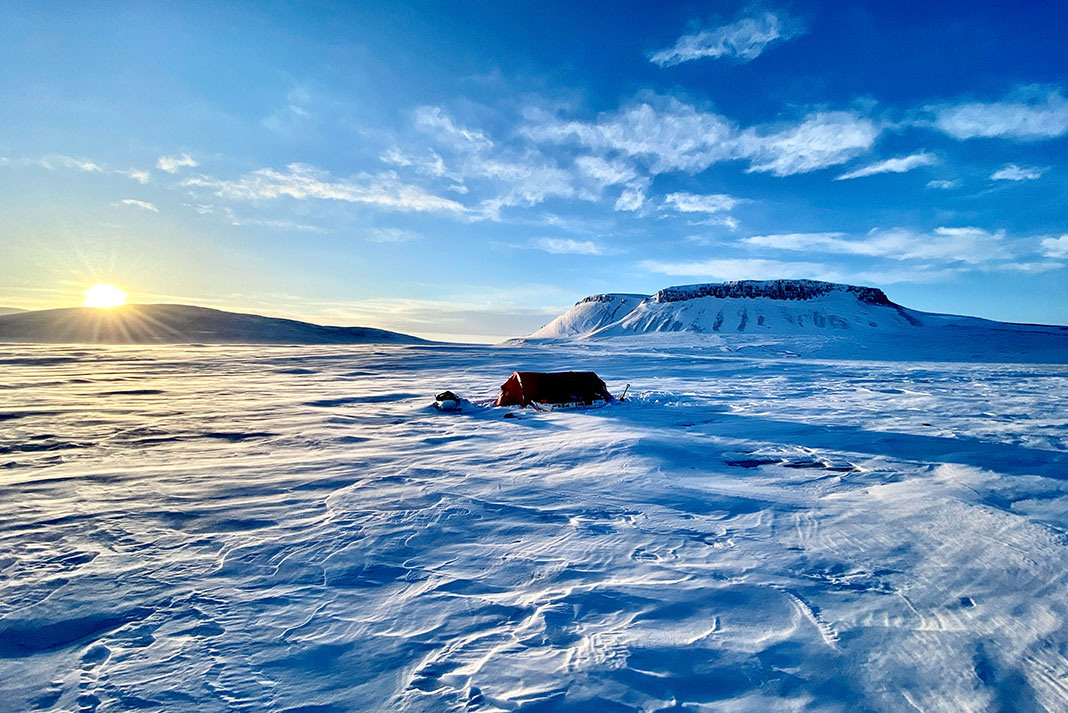
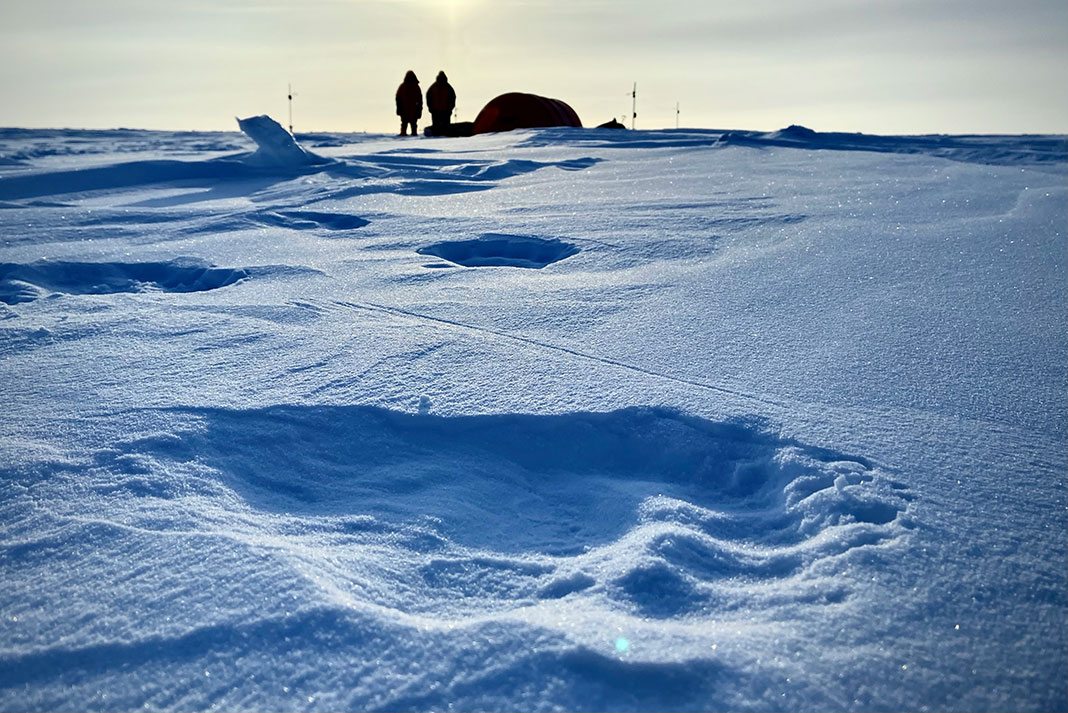
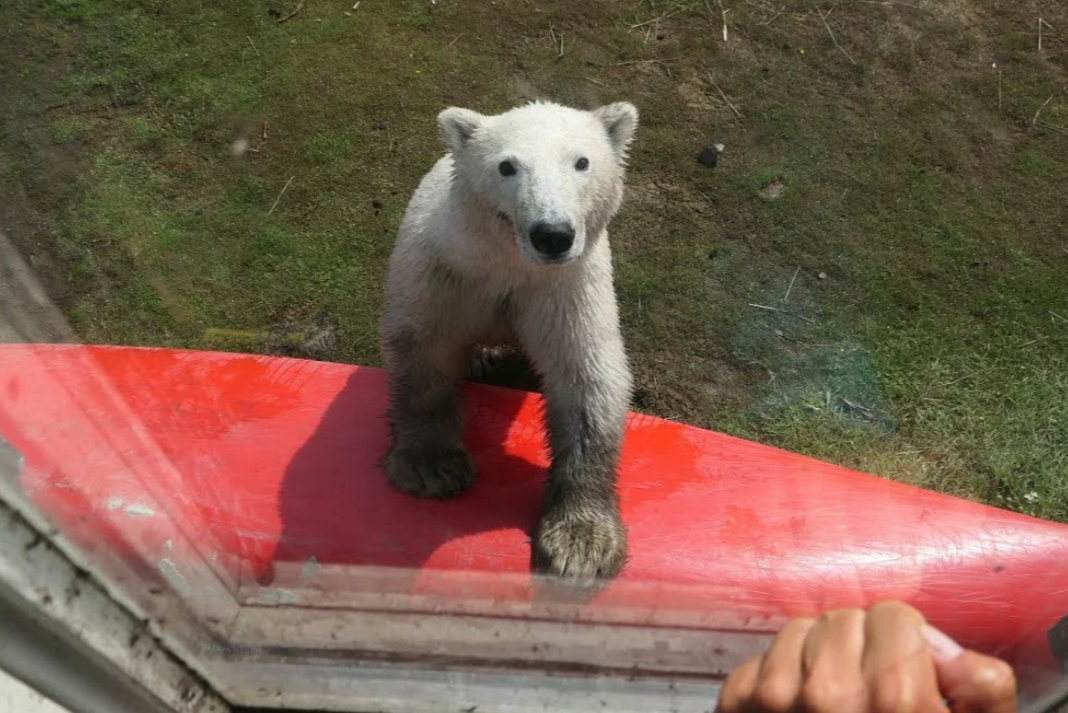
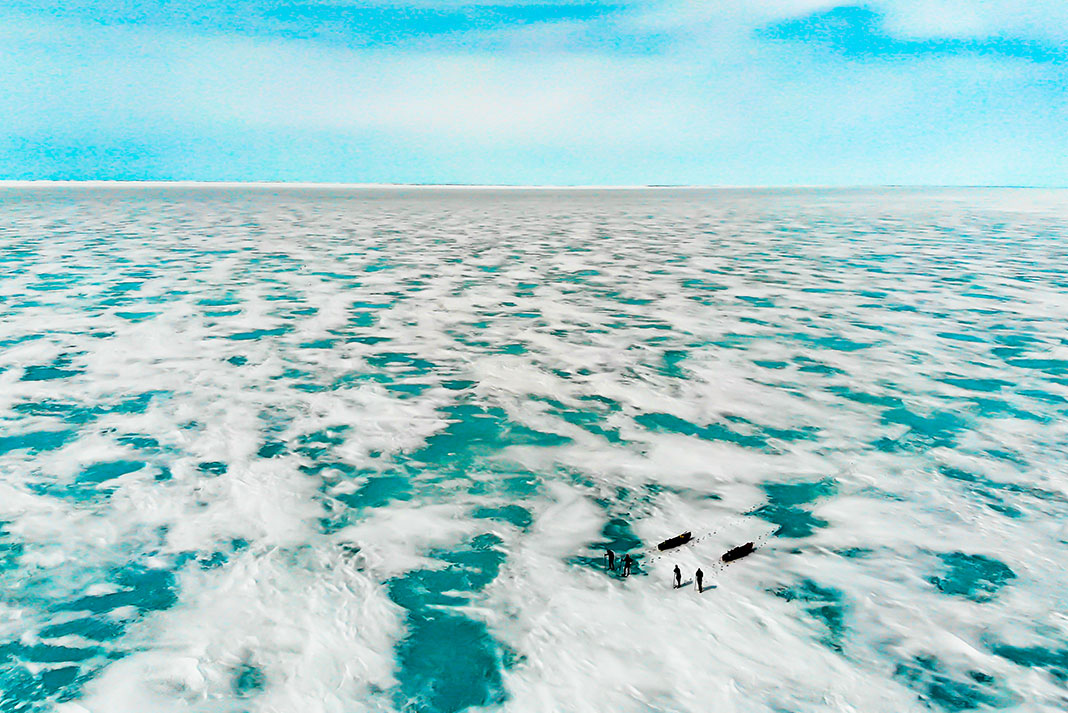
Polar explorer Sarah McNair-Landry, along with her brother Eric, attempted to be the first to kite ski 2,000 miles across the Northwest Passage in the brutal freezing winter. Years later, she looks back on the crucial decision she was forced to make during their expedition while being hunted by an apex predator.

For more information, visit our press room at www.natgeotvpressroom.com and follow @NGC_PR on Twitter.

Edge of the Unknown with Jimmy Chin is part of a diverse lineup of four unscripted projects from the acclaimed Vasarhelyi and Chin as a result of their first-look deal announced in 2019 following the success of Academy, BAFTA and multiple Emmy Award-winning film “Free Solo.” The dynamic unscripted slate directed by the pair and produced by their production company, Little Monster Films, includes two feature documentaries, The Rescueand Tompkins, along with Edge of the Unknown with Jimmy Chin and a series titled Photographer.

Edge of the Unknown with Jimmy Chin is produced by Little Monster Films for National Geographic. For Little Monster Films, Pagan Harleman and Anna Barnes are executive producers, and Gene Gallerano is supervising producer. For National Geographic, Chris Kugelman is executive producer, and Matt Renner is vice president of Production. Alan Eyres is senior vice president of Production and Development.


About Little Monster Films

Founded by Academy Award winners E. Chai Vasarhelyi and Jimmy Chin, Little Monster Films is a full-service production company committed to telling character-driven stories underneath the backdrop of thrilling and otherworldly visuals. Working in both the unscripted and scripted arenas, their mission is to capture humanity at its best, aiming to reflect a diverse world both in front of and behind the camera, they strive to present grounded narratives with intensity and depth while showcasing the extraordinary among us and the power of what we can individually achieve.


About Elizabeth Chai Vasarhelyi and Jimmy Chin

Elizabeth Chai Vasarhelyi and Jimmy Chin are the directors and producers of the Academy Award- and BAFTA-winning film Free Solo from National Geographic Documentary Films. The film earned the highest per-screen average of any documentary during its opening weekend (Sept. 28, 2018) and took home seven Emmy Awards in 2019.

Vasarhelyi’s films as a director include Meru (Oscars shortlist 2016, Sundance Audience Award 2015); Incorruptible (Truer Than Fiction Independent Spirit Award 2016); Youssou N’Dour: I Bring What I Love (Oscilloscope 2009), which premiered at the Telluride and Toronto Film Festivals; A Normal Life (Tribeca Film Festival, Best Documentary 2003); and Touba (SXSW, Special Jury Prize Best Cinematography 2013).

Chin is a professional climber, skier, mountaineer, longtime member of The North Face Athlete Team and National Geographic Explorer. Consistently over the past 20 years, Chin has led or participated in cutting-edge climbing and ski mountaineering expeditions to all seven continents and made the first and only American ski descent from the summit of Mount Everest. He is also a filmmaker and National Geographic photographer. He has worked with many of the greatest explorers, adventurers and athletes of our time, documenting their exploits in the most challenging conditions and locations in the world. Vasarhelyi and Chin’s 2015 documentary, Meru, won the Audience Award at Sundance and was nominated for best documentary by the DGA and PGA. Meru was also shortlisted for an Oscar.


About National Geographic Partners LLC

National Geographic Partners LLC (NGP), a joint venture between The Walt Disney Company and the National Geographic Society, is committed to bringing the world premium science, adventure and exploration content across an unrivaled portfolio of media assets. NGP combines the global National Geographic television channels (National Geographic Channel, Nat Geo WILD, Nat Geo MUNDO, Nat Geo PEOPLE) with National Geographic’s media and consumer-oriented assets, including National Geographic magazines; National Geographic studios; related digital and social media platforms; books; maps; children’s media; and ancillary activities that include travel, global experiences and events, archival sales, licensing and e-commerce businesses. Furthering knowledge and understanding of our world has been the core purpose of National Geographic for 134 years, and now we are committed to going deeper, pushing boundaries, going further for our consumers … and reaching millions of people around the world in 172 countries and 43 languages every month as we do it. NGP returns 27 percent of our proceeds to the nonprofit National Geographic Society to fund work in the areas of science, exploration, conservation and education. For more information visit natgeotv.com or nationalgeographic.com, or find us on Facebook, Twitter, Instagram, YouTube, LinkedIn and Pinterest.


Jackson Kayak Introduces The Gnarvana

Jackson Kayak Gnarvana in red

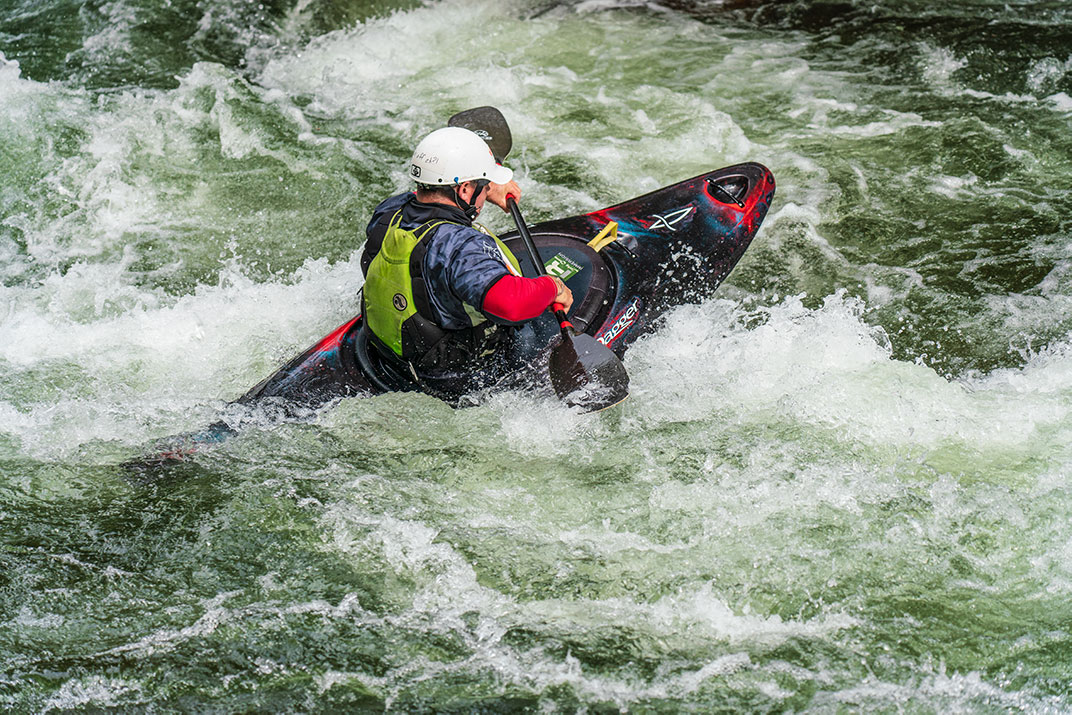
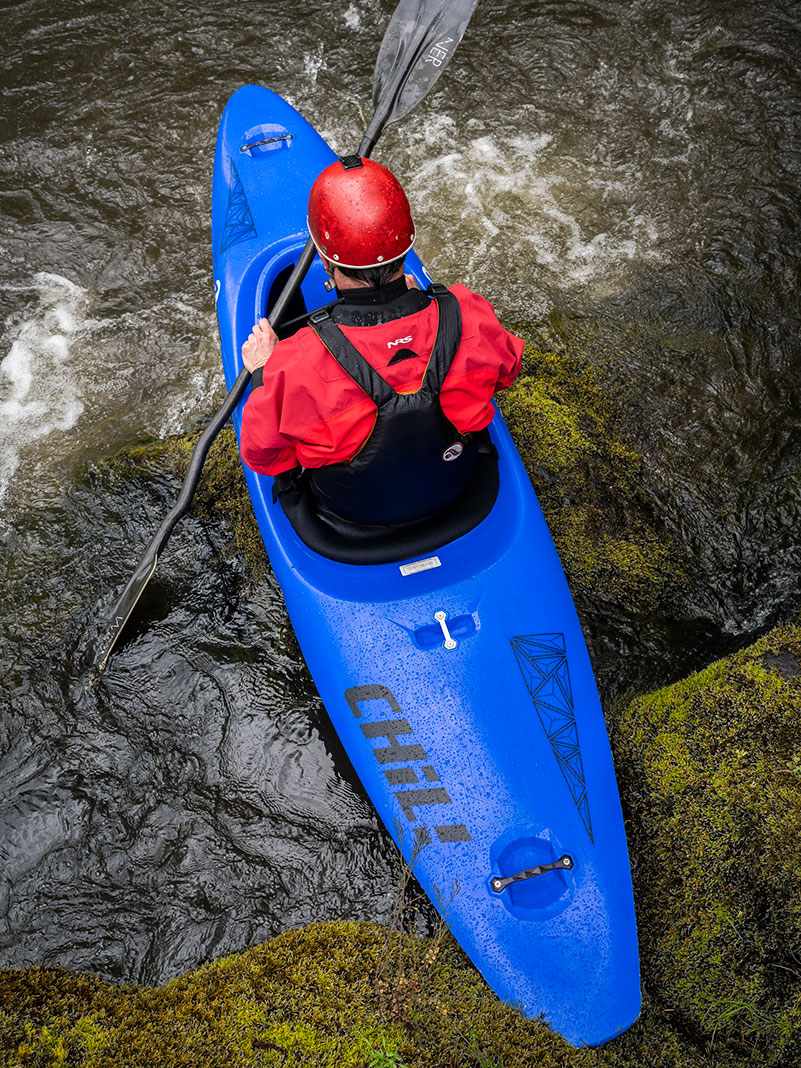
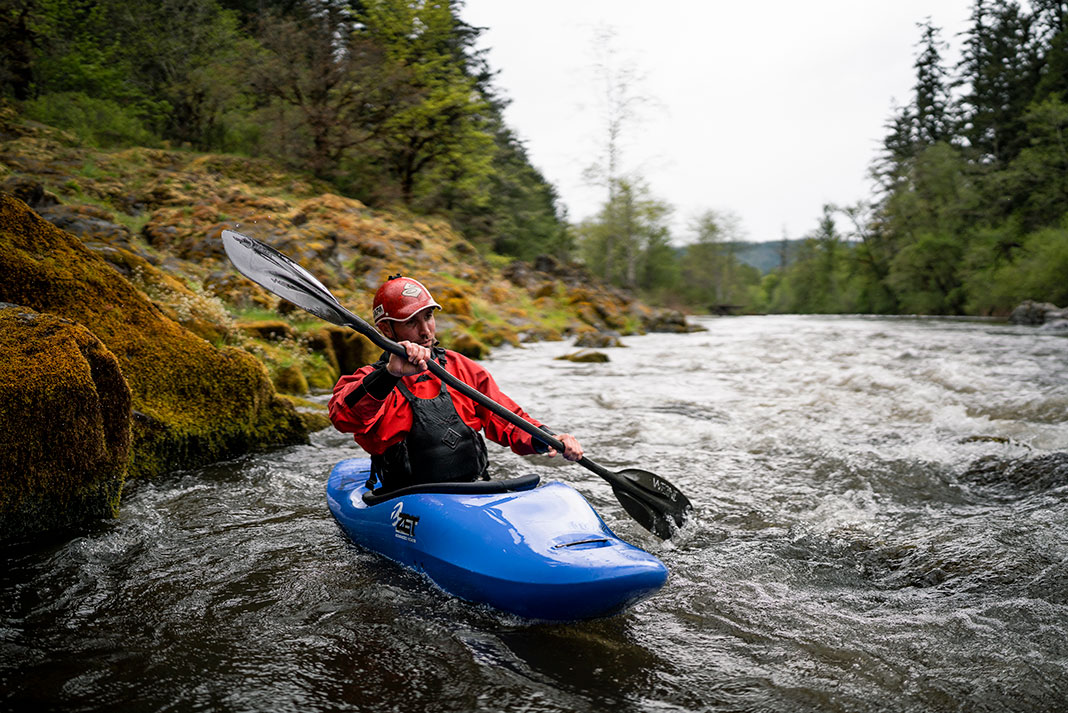
Tennessee, September 2nd, 2022 – Jackson Kayak is excited to announce our latest whitewater kayak—the Gnarvana. With over five years between core creek boat designs Jackson took advantage of a top team of creek boat paddlers and developed an innovative and user-friendly down river offering to replace their Nirvana.

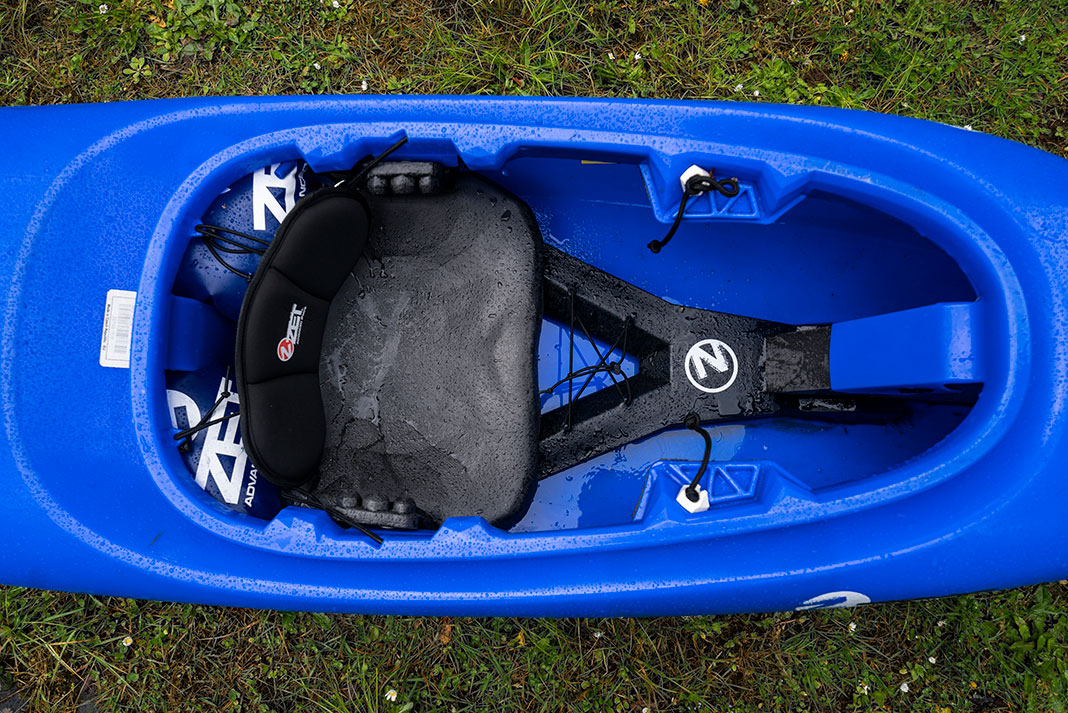
The longevity of the Nirvana came from its ease to paddle, something Jackson tries to make a staple in their designs: A unique focus at helping users push their own limits, without compromising safety and comfort on the river. The Gnarvana is a combination of confidence-inspiring design that enables ease with advanced creek moves, speed and maneuverability. It will be available in three sizes.

Jackson Kayak Gnarvana

“For the past decade Jackson has continued to gauge, analyze and dream what the perfect creek boat could do,” highlights Emily Jackson, whitewater brand manager. “We took input from our team, dealers, consumers and core designers to create a kayak that is forward thinking, innovative and ridiculously fun to paddle. All without compromising on user friendliness.”

Product Details Page: https://jacksonkayak.com/jackson-kayak-gnarvana/


About the Gnarvana

The Gnarvana will be coming to the market with an all new rocker profile by whitewater design legend, David Knight and design team (Dane Jackson, Nick Troutman, Clay Wright, Stephen Wright, Colin Kemp and Emily Jackson). The team will be introducing a new high rocker profile with width and length that contributes to keeping the bow dry, hull stable and not only maneuverable but zippy and playful.

The team working with Knight ensured that the end result would be a kayak that is drier, very maneuverable in and out of current, and with a secondary stability that aids in creek and river running progression for beginners to advanced paddlers.

“The way the Gnarvana is fast yet extremely easy to paddle, makes me certain this will be my race boat in 2023.”

— Hayden Voorhees, 2022 North Fork Championships Winner

“The Gnarvana has a unique blend of being extremely forgiving as well as being dynamic and playful. I’ve had it on my home run of the North Fork Payette, smaller volume of the Ashlu and true big water of the Stikine. The Gnarvana wasn’t just good on each run, it excelled in every style of whitewater.”

— Alec Voorhees

“Whether on the Stikine or the LDub, this boat continually blows my mind. Even though this kayak is the best weapon for me to handle the hardest whitewater, it is also the most joyful kayak I have every experienced.”

— Dane Jackson (He’s okay at kayaking)

“Holy… I’ll write more soon but all I can say right now is !!!!!!!!!!!!!!!!!”

— Chris Korbulic, Factory Team Paddler and Expedition Leader

“Having this boat in 3 SIZES has me excited to get personal first descents and approach new runs! The Small will be our biggest small to help the ladies and anyone in the 120–155 pound range feel confident and in control when approaching any whitewater.”

— Emily Jackson, Brand Manager

“With the rocker profile, stability and volume placement, I feel invincible in this boat.”

— Nick Troutman, Factory Team Paddler and
First Descent Paddler for many classic Mexican runs


About Jackson Kayak

Jackson Kayak was founded in 2004 and currently resides in Sparta, Tennessee with over 150 employees. Jackson Kayak immediately became a leading whitewater brand, then quickly evolved into the recreational and fishing kayak sectors. Jackson has since expanded their high-end kayak product line to include Orion Coolers and Kennels. These initiatives have Jackson Kayak reaching an ever-broadening array of outdoor enthusiasts worldwide. Jackson Kayak remains a family owned and operated company today and continues to be a Made in USA manufacturer supporting the local economy in Tennessee.

The Jackson Kayak Gnarvana is the Best Whitewater Boat of 2023 as voted by the public in the fourth annual Paddling Magazine Industry Awards. Read more and see a complete list of winners here.


Arctic Paddlers Find First Descents In Their Own Backyard

man whitewater kayaks along a narrow, rocky Arctic river
Boomer notching a first descent on Baffin Island. | Feature photo: Sarah McNair-Landry

No hike is too far to paddle some sweet whitewater. During summer 2020, Sarah McNair-Landry and I set out to cross the Meta Incognita Peninsula on southern Baffin Island. Our 40-kilometer hiking route was prime for first descents, connecting four unrun rivers in the Canadian Arctic.


Arctic paddlers find first descents in their own backyard

When traveling in the Arctic, it’s important to be completely self-sufficient, prepared for bad weather and expect delays. We started the trip with 20 days of food and fuel, which meant our kayaks were loaded with 110 pounds of meals and gear—more than I had ever taken on a kayak-hike trip before. We also carried a 12-gauge shotgun, bear alarm fence and a solar panel, which accounted for some of the brutal weight. Baffin Island is home to polar bears, and we needed to be prepared.

The Meta Incognita Peninsula separates Sarah’s hometown of Iqaluit, the capital of Nunavut, and the small community of Kimmirut. The peninsula’s plateau rises about 2,000 feet high and features hundreds of freshwater lakes feeding the many rivers descending through the south coast. On flights into Iqaluit, I would occasionally get a glimpse of waterfalls on the peninsula and always wondered what those rivers would be like to paddle. Since travel was erratic in 2020 with pandemic restrictions, we decided it was time to find out what was in our backyard.

man whitewater kayaks along a narrow, rocky Arctic river
Boomer notching an Arctic first descent on Baffin Island. | Feature photo: Sarah McNair-Landry

Hiking toward a highway of whitewater

From the ocean, we spent two days hiking uphill. At first, our loads were too heavy to carry all at once, so we broke them into two. The only downside to dividing the gear in half is we had to walk three times the distance to cover the same route.

After a lot of hard work and sweat, we reached a series of lakes leading us to the first river. It felt good to be paddling downstream even though we didn’t expect many rapids at first, based on our scouting via satellite images. This low-volume river was our highway to access three more rivers that showed even more whitewater potential, based on what we could see on satellite images.

To our surprise, this first river picked up speed and pinched through a small gorge with class V drops. The first two falls led into a large turbulent pool and another waterfall just downstream with a nasty undercut and no way to set safety properly.

Fortunately, a microeddy on the right gave me the option to run the upper section. I managed to get out, portage around the dangerous rapid, and seal launch back in. Sarah set safety. With her throw line bag in one hand, she snapped the photograph that accompanies this article before portaging around the canyon.

Not long after this surprise canyon, we hauled our kayaks onto our shoulders and hiked seven kilometers up and over into the next river drainage.

Arctic rivers offer up the unknown

Before departing on this trip, the only information we could get on these remote arctic rivers was from low-resolution satellite images and rudimentary topographical maps. We were rolling into the unknown, which is what I love the most about these exploratory expeditions.

In June 2022, Erik Boomer and Sarah McNair-Landry set out on another 70-day multisport adventure, their third Baffin Island summer vacation.

This article was first published in the Early Summer 2022 issue of Paddling Magazine. Subscribe to Paddling Magazine’s print and digital editions, or browse the archives.


Boomer notching an Arctic first descent on Baffin Island. | Feature photo: Sarah McNair-Landry


Wood On Water: A Teenage Summer Spent Canoe Tripping 400 Miles (Video)

What better way to learn about yourself and the people around you than 40 days traveling by way of canoe? Through heinous portages, bug-infested nights, and over a month of paddling with all their equipment, Hannah Maia’s film, Wood On Water, follows a group of 12 young women on an epic summer adventure. A 400-mile canoe trip with Camp Keewaydin through the Canadian wilderness.

wood on water image still
Feature Image: Hannah Maia / Wood On Water


The Canoe Trip Summer Camp

Keewaydin was established in 1893. It’s one of the oldest operating summer camps in North America. A cornerstone of Keewaydin is its focus on canoe trips.

According to the camp’s literature: “Today we look much the same as we did in 1893; paddling in wood canvas canoes, using tump lines to portage canoes, double packs, and wannigans (the wooden boxes) in which we carry food and equipment. Meals are cooked over open fires and sections prepare all of their food from scratch. Groups (sections) of six to eight kids travel the surrounding wilderness waterways, often portaging from lake to lake or up and down rivers, making camp at new spots each night, and sleeping in tents with one or two other campers.”

[ Find your next canoe trip in the Paddling Trip Guide ]

While the camp has remained much the same in its 130-year history, there has been one major shift within the past 20 years, when girls were first permitted to attend the program.

portage, scene from Wood On Water
Image: Hannah Maia / Wood On Water

Changing currents at Keewaydin

“The first year of the girl’s program started in 1999. Myself and a couple other women came up to help start the program,” Emily Schoelzel, Keewaydin Camp Director, explains in the film. “It wasn’t until I got there that I realized the staff community, the male staff community, had very mixed feelings about girls being there. Keewaydin was 105 years old. Had been boys only for 105 years. And all of a sudden by introducing women, a lot of things were going to change.

“I also do think there was a lot of question if women could actually do canoe tripping the way Keewaydin does canoe tripping,” Schoelzel goes on to say. “To me it seemed the most simple and direct path was that we just needed to do it exactly the way they did it, and then they wouldn’t have anything to question. I knew we could. There was no doubt.”

Maia was keen to know why something established over a century ago to promote the idea of manliness and roughing it in the woods is relevant to teenage girls today. The result is the story shared in, Wood On Water.

Watch Maia’s coming-of-age film along with others as part of the 2022 Paddling Film Festival.


Dream Trip: How To Turn Your Paddling Fantasies Into Reality

a group of whitewater rafters go over some rapids on a paddling dream trip
The price to make it a reality is time, effort, sacrifice and sweat. — Usain Bolt. | Feature photo: Rob Faubert

I have a friend who loves to plan trips. The ratio of trips planned versus taken is probably 10:1. Whether remote expeditions in foreign countries or unlikely routes close to home, planning paddling dream trips is what he does for fun. There is always a route in the works with miles measured, logistics considered and maps spread out on the desk that they are eager to discuss. Occasionally, a trip comes out of it.


Turn your paddling fantasies into reality

There’s no right way to plan an adventure. The famous mountaineer and explorer Eric Shipton, whose journeys spanned the globe from the 1930s through to the early ‘70s, said, “Every good expedition can be planned on a bar napkin.”

a group of whitewater rafters go over some rapids
The price to make it a reality is time, effort, sacrifice and sweat. — Usain Bolt. | Feature photo: Rob Faubert

I have a group of friends who dispense with the napkin altogether and just go, planning be damned. Some are lucky if both a sprayskirt and helmet make it to the put-in, let alone a map or first aid kit. These folks tend to stick to local day-run adventures, but I have also seen the throw-all-the-stuff-in-a-garbage bag gong show on multiday trips.

Say what you will about the method; they do get out a lot.

[ Plan your next paddling adventure with the Paddling Trip Guide ]

And don’t forget the dreamers. Dreamers tend to have the longest and boldest list of rivers to run, with unbridled enthusiasm for each one. But the difference between a dream and a plan is substantial. Dreams don’t direct resources—it’s all ideas, emotion and potential, and often little action. Real trip planning is more like goal setting, focused on the specifics and being achievable, realistic and timely. Once a plan is in play, it directs attention, time and money, all with the intention of getting closer to the put-in.

Dreaming, planning and doing

I dream of paddling the Firth River in northern Yukon, during its brief Arctic summer window, or the Selway River in Idaho with its notoriously difficult permit lottery—but they are just dreams. I love the idea of both trips, but I’m not putting my name in the Selway permit draw and will never run the river unless I do. If either of those dream trips dropped in my lap, I would jump on them, but I’m not the one who will make them happen. Wow-worthy as they would be, I have some other plans.

The 100-mile upper Missinaibi River in northern Ontario is at the top of my list. I have the maps, collected beta on the raft-ability of the significant drops, roughed out the camp locations, and sorted the logistics. Of course, it helps that this river is only a day’s drive from my home. The next step is to carve out the time this summer or next. A float trip on the historic Hayes River in northern Manitoba is also planned, waiting for the right time to make it happen.

There are dreamers, planners and doers, and sometimes each of us needs to be a little of all three to get to the put-in. Waiting for dreams to drop into our laps or major plans to come together means a lot of unpaddled days and a lot of dream trips never realized. After all, a bar napkin is all it takes to make a trip happen. And for some, not even that.

This article was first published in the Early Summer 2022 issue of Paddling Magazine. Subscribe to Paddling Magazine’s print and digital editions, or browse the archives.


The price to make it a reality is time, effort, sacrifice and sweat. — Usain Bolt. | Feature photo: Rob Faubert


Jackson Kayak Unveils The Gnarvana (Video)

Jackson Kayak took the acclaimed Nirvana, and cranked up the dial for their newest creek boat design, the all-new 2023 Gnarvana.

The Gnarvana brings more bow rocker than Jackson has ever produced, and the list of design features keeps rolling from there. The goal, to produce high-flying boofs, fast skips, a dry ride, and most of all, complete confidence in whitewater. In this video from Jackson Kayak, Dane Jackson provides a complete Gnarvana walkthrough.

The Jackson Kayak Gnarvana is the Best Whitewater Boat of 2023 as voted by the public in the fourth annual Paddling Magazine Industry Awards. Read more and see a complete list of winners here.


7 Weird Facts About The New Biggest Paddle In The World

Mike Ranta stands beside his giant Big Dipper paddle as it is installed by a crane
Feature photo: Courtesy Mike Ranta

Cross-continent canoeist Mike Ranta is known for dreaming big, and his 110.5-foot-long paddle is the latest proof of the paddler’s larger-than-life mindset. Affectionately called the Big Dipper, Ranta’s mammoth bent-shaft blade was confirmed in 2021 by Guinness World Records as the world’s largest paddle, ousting from the record books a 60-footer in Golden, British Columbia.


The Big Dipper

Length: 110.5 feet

Width of blade: 17 feet

Weight: 22,000+ pounds

Time to make: 2.5+ years

Constructed with: Eastern white cedar

World Record recognized: in 2021 as world’s largest paddle/oar

7 weird facts about the new biggest paddle in the world

The Big Dipper resides on the shores of Georgian Bay at the Killarney Mountain Lodge in Killarney, Ontario, where it celebrates the rich voyageur history of the area and is also a tribute to veterans, Ranta says.

Known for crossing Canada two-and-a-half times on solo expeditions, Ranta didn’t let a little thing like inexperience with a spokeshave deter him. “I’ve built a few paddles and done a few woodworking projects, but never anything on this scale. I learned a lot about woodworking,” he reports.

diagram of Mike Ranta standing beside The Big Dipper


Mike Ranta

Length: 5 feet, 8 inches

Weight: 220 pounds

Time to make: 50 years

Constructed with: Pasta, especially lasagna

World Record made: unofficially in 2016, for the longest single-season solo canoe trip (4,660 miles)

With his canine companion, Spitzii, by his side, Ranta will put the finishing touches on the paddle in summer 2022 and seal a 200-year time capsule into a hollowed out portion of the paddle shaft.

[ Plan your next Canada canoe expedition with the Paddling Trip Guide ]

“It’s not just the biggest paddle in the world; it’s going to be the prettiest too,” says Ranta. “I want to add a table in the shade next to it, so those who visit can sit and honor who they’re thinking about.”

This article was first published in the Early Summer 2022 issue of Paddling Magazine. Subscribe to Paddling Magazine’s print and digital editions, or browse the archives.


Feature photo: Courtesy Mike Ranta


Does 10,000 Hours Really Equal Good Risk Management?

person sea kayaks into roiling surf
When assessing risk, 10,000 hours isn’t a magical threshold. Time in cockpit is only one factor to making good decisions. | Feature photo: Kevin Light

Those with a lot of training and experience outdoors like to think we know what we’re doing when making decisions in risk environments. Our ability to make sound judgments about the terrain, timing, group management and safety is something we generally believe improves the longer we spend in the field. But the oft-cited threshold of 10,000 hours is no guarantee that we’ll strike the right balance when it comes to risk.


Does 10,000 hours really equal good risk management? Research says, “No”

For many recreational paddlers, the number of days on the water is a badge of honor and a way of providing evidence of competence. “Dude, I’ve paddled 120 days this year so far!” When advertising guiding services, guides will highlight the number of years we have worked in the field on our websites because we believe it instills confidence. Who wouldn’t choose a guide with 20 years and thousands of field days of experience over one with only three years? Three years, by the way, is the average length of time most guides remain in their field careers.

The common assumption is more days equals more skill. As Malcolm Gladwell points out in his bestselling book Outliers, it takes at least 10,000 hours—or 2,000 five-hour paddling days—for someone to become an expert in any field. Practice, repetition and skill development all take time, and the more you do it, the better you get. Right?

Maybe not.

person sea kayaks into roiling surf
When assessing risk, 10,000 hours isn’t a magical threshold. Time in cockpit is only one factor to making good decisions. | Feature photo: Kevin Light

When assessing risk and making good decisions based on those assessments, time is not the only factor. Sometimes the more “time in” we have equals an increased likelihood of an incident and poorer decision making in outdoor risk environments.

Dont worry, it was a non-event.

Over the past decade, studies from the National Outdoor Leadership School (NOLS) and academia have correlated more instructor years in the field with higher incident rates. A few factors cause this increase in incidents in an experienced instructor’s career.

First, as our confidence increases on the water over time, often so can our tolerance for higher levels of risk. As our skill level goes up, we tend to move into more challenging terrain where higher consequence incidents are more likely to occur. Second: Ego breeds complacency. Decreased attention to detail can result in poor decision-making. We can become less attentive to hazards when we adopt a been-there-done-that attitude.

Non-event feedback is the crux of the matter. As we go through our paddling careers, we are continuously exposed to near-miss situations. A near miss is where something could have gone wrong but didn’t. It would be nice to think all near misses are obvious, but sometimes, perhaps often, we don’t notice the giant boomer we just paddled over exploding in a gnarly mess of barnacles and white water behind us. We may squeeze by in situations where we think we had miles to spare, or have become so complacent we didn’t even recognize the scope of the hazard. We also become more comfortable with risk when it is familiar, which is a well-documented heuristic trap in the study of avalanche incidents. The more we paddle a section of exposed coastline without incident, the more our brains decide it’s safe, even though the risk hasn’t objectively changed.

Event feedback is crystal clear—the shattered kayak, dislocated shoulder or hypothermic client will all make us think twice the next time we paddle that type of water—but it is much less frequent than non-event feedback. The more unacknowledged near misses we collect, the more evidence we have of our true decision-making prowess.

[ Browse the widest selection of boats and gear in the Paddling Buyer’s Guide ]

In the paddling world, we’ve adopted the rationale more is inherently better. The more field days you have, the higher you can go in the certification levels. You can’t move from one level to the next or take the next course or exam without putting in a certain number of days in between, ranging from 30 to 200 depending on the level. Certainly, there should be a minimum number of days of guiding experience someone earns before moving up to more complex terrain and greater leadership responsibility. But the assumption inherent in these systems is the more days you have, the more competent you will be at your job and the better your judgment will be. However, time alone does not equal competency.

4 ways to manage risk and use better judgment

So, what is the antidote to this gap between experience and the development of good judgment and sound decision-making in risk environments?

1 Avoid risk creep

Watch for risk creep in your terrain choices and paddling circles—before you go, consider the what-ifs, and even in familiar terrain, make a plan individually and as a group for shit-hits-the-fan scenarios.

2 Develop your intuition

Put the ego and external pressures aside and get quiet enough to tune in to what your gut tells you.

3 Pay attention to what is happening

Even the most familiar terrain can have a drastically different character and set of consequences depending on the weather, season, and the group you’re with. Know the forecast and the terrain, but pay attention to the actual conditions, including human factors.

4 Make a study of near misses

Study your own mishaps and those of others. There is copious wisdom in the world of outdoor risk management we can learn from. Understand the heuristic traps leading to misadventure and use this information to analyze your own decisions.

This article was first published in the Early Summer 2022 issue of Paddling Magazine. Subscribe to Paddling Magazine’s print and digital editions, or browse the archives.


When assessing risk, 10,000 hours isn’t a magical threshold. Time in cockpit is only one factor to making good decisions. | Feature photo: Kevin Light


Drone Chases Whitewater Kayaker Down Micro Gorge (Video)

North Of Inn Valley, the waters of the Brandenberger Ache cut decisively through the limestone of the Austrian Alps. The pinching walls of this section of the river are known as the Kaiserklamm, or “Emperor’s Gorge.”

The whitewater ricochets around in the swirling potholes, making for a natural wonder, and alas, burly whitewater run with solid flows.

[ Find your next whitewater destination in the Paddling Trip Guide ]

Bren Orton saw the potential for capturing the gorge in its visual entirety. The Pyranha paddler teamed with professional FPV drone pilot Juli Strauss. The result is this incredible footage edited by Orton and published on the Senders YouTube channel.


Oklahoma City Hosts Action-Packed Paddling Weekend

sup racers on Oklahoma River
Feature Image: Georgia Read / RIVERSPORT Foundation

The Riversport OKC paddling center on the Oklahoma River was built with the intention of training Olympians and hosting international-scale events. On August 26-28, 2022, Riversport put its vision on display as the host of a global gathering in Oklahoma City that spanned the paddling spectrum.

Oklahoma City held three paddling events melded together into one weekend: the ICF Standup Paddling World Cup, the invitational ICF Canoe Sprint Super Cup, and Red Bull Rapids, a fun-loving and amusing rafting race at the Riversport whitewater park.

[ Find your next destination in the Paddling Trip Guide ]

Athletes from 20 countries landed in Oklahoma to compete in the events and enjoy the paddling festival, appropriately called the World Party.

Results from the ICF Standup Paddling World Cup and ICF Canoe Sprint Super Cup, as well as more information on the entire festival, can be found at: https://www.riversportokc.org/events/2022-icf-world-events/